


Welcome back to the Wild Globalization Project!
We’re still talking about “capital” and “capitalism.” In Part I we looked at the conditions of capital value – management of raw resources, work and the organization of labor, and finally knowledge-based innovation.
“Capital,” however, as most of us think about it, is really about “money…lots of money…banks, investment bankers…money means power…power to build, power to control, power to govern...power to exploit….”
Recall in Wild Money, we explored money as the “unit of account,” “medium of exchange,” “store of value,” and one we added, the “instrument of sovereignty.” The first three delineate “small” money – money to run the everyday grocery store economy.
Sovereign money, and here, “big capital,” were something different, harder to get our brains around – that is, money and value in the billions and trillions. The power of both small and big money emerges from two hyper-human powers.
First, we “believe” in money. Humans “hold” and “move” value in “belief systems” when we all accept that a piece of paper, a dollar, or digital currency, can “hold” or “represent” the “value” of things. Balaji Srinivasan, of Coinbase, describes this “belief system”:
“…If you take 10,000 people and they close their eyes hard and say, ‘Let this plane fly,’ it’s not going to fly. But if they close their eyes hard and say, ‘Let this thing have value,’ and they all value it, they’ve suddenly got a price for it.” They will exchange things of economic value among themselves, and the external world can interact with them. …So, belief is actually something you can now materialize into currency.”1
Secondly, when we “believe” it, we let money “transvalue” the hard, physical world into a new “exchangeable,” “tradable,” and hyper-real playing field, that is, the “market,” whether your neighborhood grocery or the global stock, bond, and capital markets.


The whole “show,” the whole matrix of markets, small and big money, really boils down to “What is value?” “What’s something worth?” By placing value on things, “stuff,” we transform and transvalue potato chips or hamburgers, or smartphones or cars into hundreds or thousands of dollars, smartphone companies into billions, or economies into trillions – of dollars or cents or Euros or…etc.
Humans live and breathe in this virtual, belief-system, meta-physical time and space, in Marx’s elusive “mystery of the “value forms,” which he chased through Das Kapital’s 800 pages, only to realize that “value” couldn’t really be pinned down.
Value is hard to pin down for at least two reasons.
First, value is whipped incessantly, in this wild, quantum entanglement of ecology, demographics, tech, economy, governance, wealth. A gallon of gas gyrates with domestic and global politics (governance), or basic “supply and demand” (economy). A dozen eggs gets hit with “Highly Pathogenic Avian Influenza” (HPAI) or the bird flu (ecology), and prices go through the roof!
Wild value!
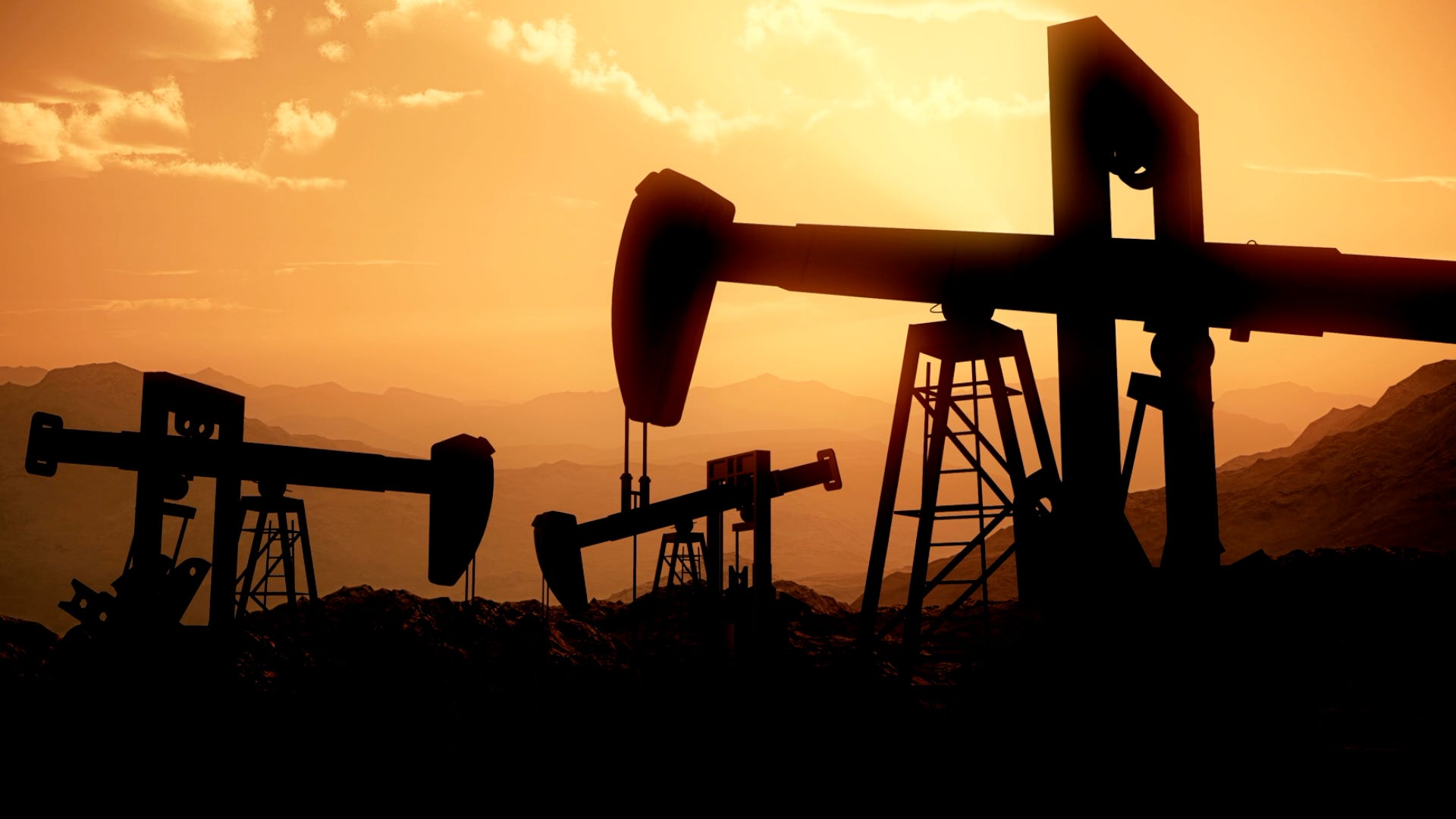
But the second reason is even wilder. The “value” of coal, oil, natgas, nuclear, solar, and wind – isn’t just the sheer power we access when we turn on the light or gas up or plug in our cars. Value, especially “capital” value,” is not touchable, it’s not physical, it’s “meta-physical” because it emerges from our cleverness, our innate curiosity and ability to encounter a need, a problem, and then set out to discover and use “stuff,” to direct life, to “run” things.
Hominids, our deepest cousins, started playing with fire and cooking food – and therefore improving our nutritional and metabolic efficiencies – a million years ago, and we’ve been growing brains and having babies and playing the “human value creativity-destructivity” or “capital value” game ever since. All the “energy stuff” – oil and gas, uranium, even the wind and sunlight – that is, Wild Ecology’s “energy orders,” were there for those billions of years until we came along and dreamed up how to use them.
Value emerges. It’s whipped by the wild quantum game until our wilder imaginations and knowledge powers discover and exploit it.
Human Value Creativity: Evolution… Emergence… and the Ethical Imperative
Whatever we name it – “big money,” “capital…capitalism,” “civilization,” “globalization,” or even, as we just ventured, “human value creativity-destructivity,” – humans have upped the ante on the zero-sum and non-zero-sum games, we’ve opened the playing field and rules from mere “long” physical evolution – thousand- or million-year game changes – so that now we rock and roll with sudden, overnight game changes, that is, we’re playing a meta-physical emergence game.
For example:
▲ WWII? – horrific, industrial-scale warfare, but then, two imagination-innovation atomic bombs end it – but then…what?
▲ 1960s-70s Asian famine? – the Green Revolution ends it…but then… what!
▲ 1970-80s U.S. natural gas crisis? – “fracking” ends it…but then…what?
We’ll get to the “then what?” question in a moment.
First notice how this value creative-destructive response is a force of nature which humans have taken to new and hyper-natural levels. Recall how Seth Lloyd pointed out that, by the time our primal cousins appeared 250-500,000 years ago, physical life on Earth had already achieved this “meta-physical” nature in the form of information-processing deoxyribonucleic acid, “DNA.” The dinosaurs had DNA. Ants and honeybees have DNA.


However, DNA’s serpentine secret is that the component nucleic acids, adenine (A), thymine (T), cytosine (C), and guanine (G), merely carry the code, the information. The code itself lives “in” the connectivities of the nucleotides themselves, in their combinations and re-combinations, that then direct the physical world’s life forms. Consequently, the physical world’s rules cannot fully account for the code’s hyper-physical functionality.
No one has actually seen or touched “information,” whether in nature’s DNA codes, or the digitized “data” in your laptop or smartphone. Or your brain. Sure, we understand how DNA’s nucleic components combine and recombine, but the primary “information” remains elusive. Or, we can monitor the brain’s “synapses,” but the information, the code, whether the velociraptor, the orca, the honeybee, or the human, remains elusive except for its secondary effects – the orca’s cry, the bee’s honey, or the human’s “E = mc2.”
The code itself is wild! Except for their sketches, or calculations – or their smiles or hands or stone creations – no one has “seen” or “touched” the information or imagination or knowledge that built Notre Dame or the Taj, or that sculpted Michelangelo’s Pietà.
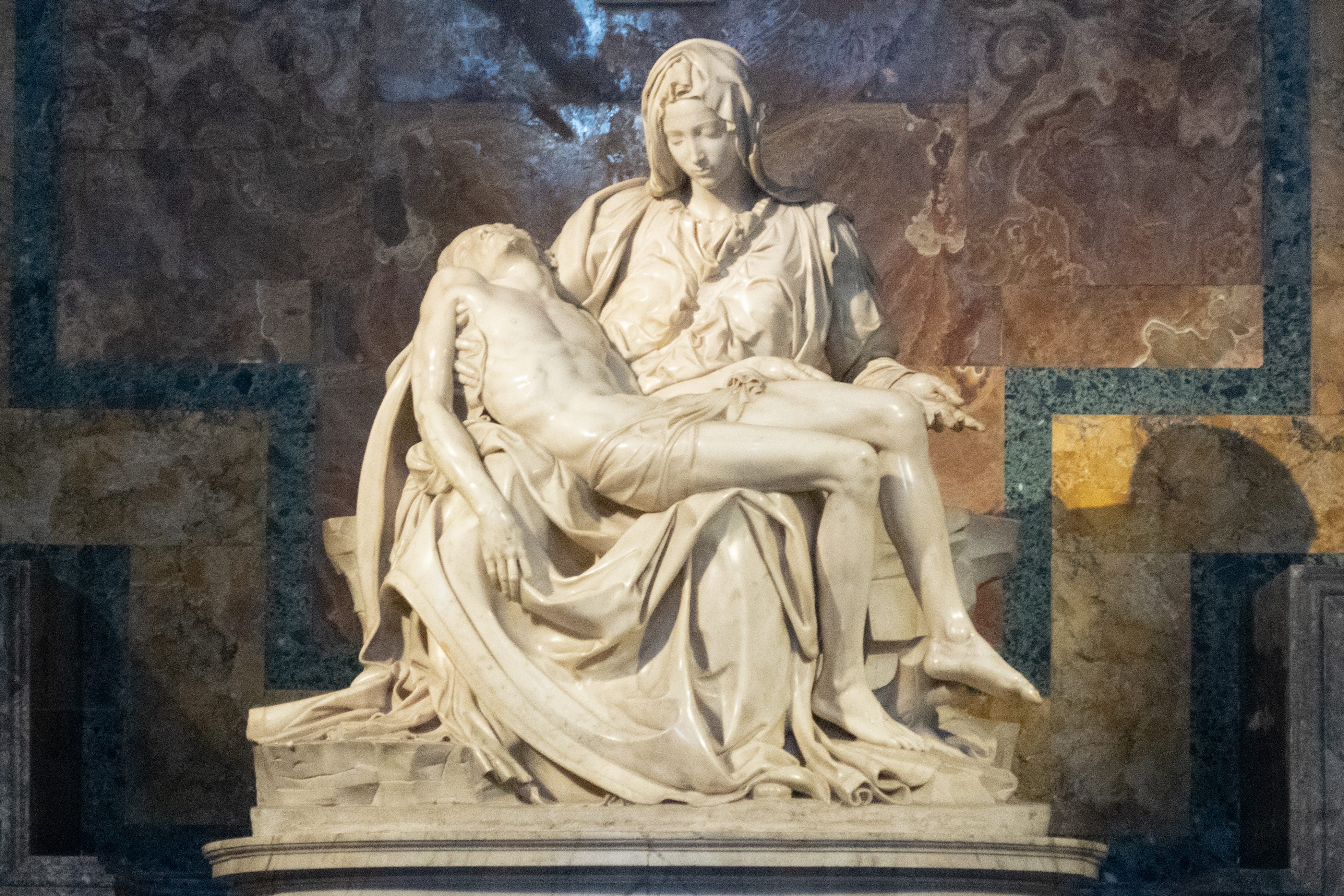
Information-processing and “knowledge” responses abound in nature – ant colonies or bees manage resources and perform intricate labor tasks; dolphins and orcas live and communicate audibly in “social” pods; elephants form family groups and appear to mourn their dead.
But no other Earth creature transforms the hard, physical world of atoms and molecules and energy and “stuff” into “E= mc2” “virtuality,” into what we’re calling “information-imagination-knowledge-value.” No other creatures are deploying virtualization to build high-capital-value A.I. super-computers, or rockets to Mars. No other creatures fight over geo-politics, or money, or government budgets, or moral-ethical-religious “values.” Humans simply play the game differently, at a virtual, highly complex and language-bound level. A far more powerful, creative, yet more volatile and contentious, and therefore dangerous level. Velociraptor and Tyrannosaurus were really scary dudes, but they didn’t dream up “nukes.”
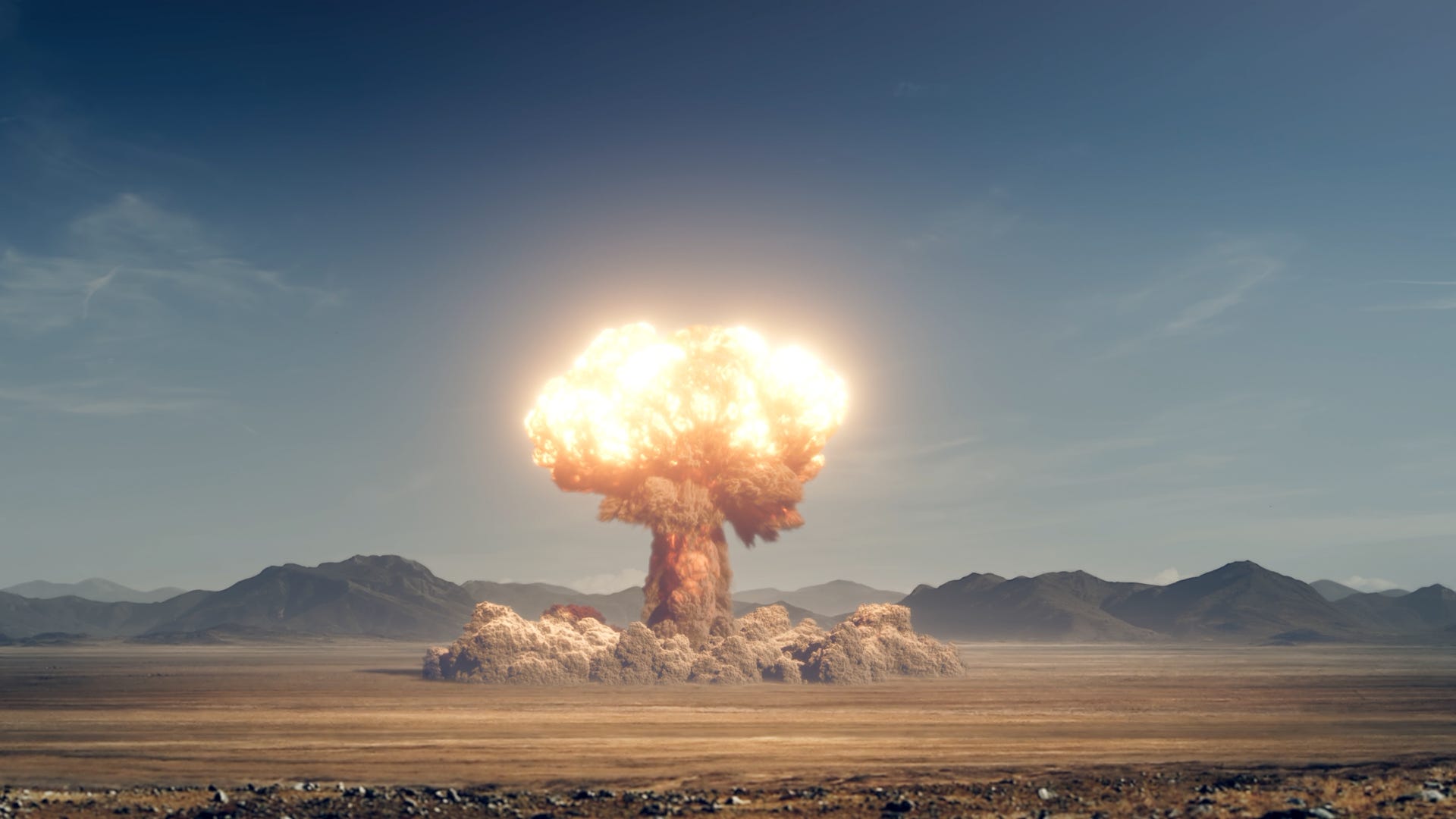
Information, embodied and energized by the human imagination and knowledge, directs the physical world and thus achieves a hyper-physical functionality. This knowledge condition – the “logos” of the ancients – constitutes an emergent “boundary” condition that can’t be explained nor accounted for with physical paradigms and rules alone.


Capital and capitalism live and thrive in this emergent world.
Our “ideas-tech-strategies” driven human emergence world embodies a new “order” of evolution which in turn demands a new and expanded logic, a human value creativity-destructivity logic. A quicker, accelerated logic that attempts to anticipate and “own” the full set of consequences, or what we call those dangling “positive and negative externalities.”
For example, it took thirty years (1973-1992) to develop the smartphone – about one generation in anthropological time – and suddenly we can talk to or even see the eight billion, we can tap vast, encyclopedic resources (e.g., science, history, music, art). At the same time, it takes just a few finger touches for our kids to get lost in its social media. Both realities live in the logic of the creative-destructive event.
Or recall that the smartphone, and most rechargeable devices, are powered by the amazing lithium-ion battery developed over that same 20-30 year period4. Yet those batteries use cobalt that’s most often mined by Congolese “artisanal,” or “slave-cash” miners. If we moderns are so sophisticated, so smart, how did we come up so short-brained and short-hearted, how did we miss the consequences, the externalities, of cobalt sourcing when we conjured up these new devices?
We’re back to the “Then what?” questions, above. “Then what?” logic emerges from the quantumly entangled “matrix” (wild ecology-demographics-tech-economy-governance-wealth- learning) that human life plays in and that plays us. “Then what?” questions force us to consider how our more or less unrestrained creative-destructive powers can instantaneously shock reality and status quos. “Then-what?” logic reveals the “boundary condition” when our jet-powered and very cool devices break sound barriers. What might the speed of light boom break?
“Then what?” questions blindside the capital value wilderness. Ask Robert Oppenheimer, who, after Manhattan’s creative-destructive “success,” lived out his days bushwhacking and getting slapped around by “Then what?” logic. Same thing when we pick up our smartphones – we’re touching the artisanal miner who dug the cobalt, or the Uyghur and Turkic Chinese Muslim who may have assembled it.


And you thought “capital…capitalism” were just about “small-money…big-money “capitalists.” We are all playing this human capital value creativity-destructivity game. We’re all “players” and “users,” “winners and losers,” of wild value. We’ve all emerged from this universal drama of creation and destruction. It’s been a wild living for a million years. And it’s only getting wilder.
The human imagination and knowledge-based value response emerged from given, universal pre-conditions – faith traditions claim this emergence is “divine.” Others might leave it to “chance.” Either way, we have to wonder if accounts like the “Tree of Knowledge” Genesis story aren’t on to something? How do we talk about the “origin or logos of the Universe,” or Marx’s mysterious “value forms,” without this emergent meta-physical force of information and knowledge that pervades evolutionary footprints since the “Big Bang?” A knowledge power that in the hands of humans, can achieve both good…and evil?
So, we have to ask ourselves if these hyper-powerful creativities work not just for now, but really for the future, are they “paying and playing the game forward” for our kids, and their kids, and the future planet? “Pay it forward” is a present and a future logic. It forces our creativities to “get down and real and practical” decisions, but then to constantly re-work, re-think those our work! Include cobalt sourcing and the kids and mothers and all the artisanal miners who dig it up! Make real choices, complete the logic!
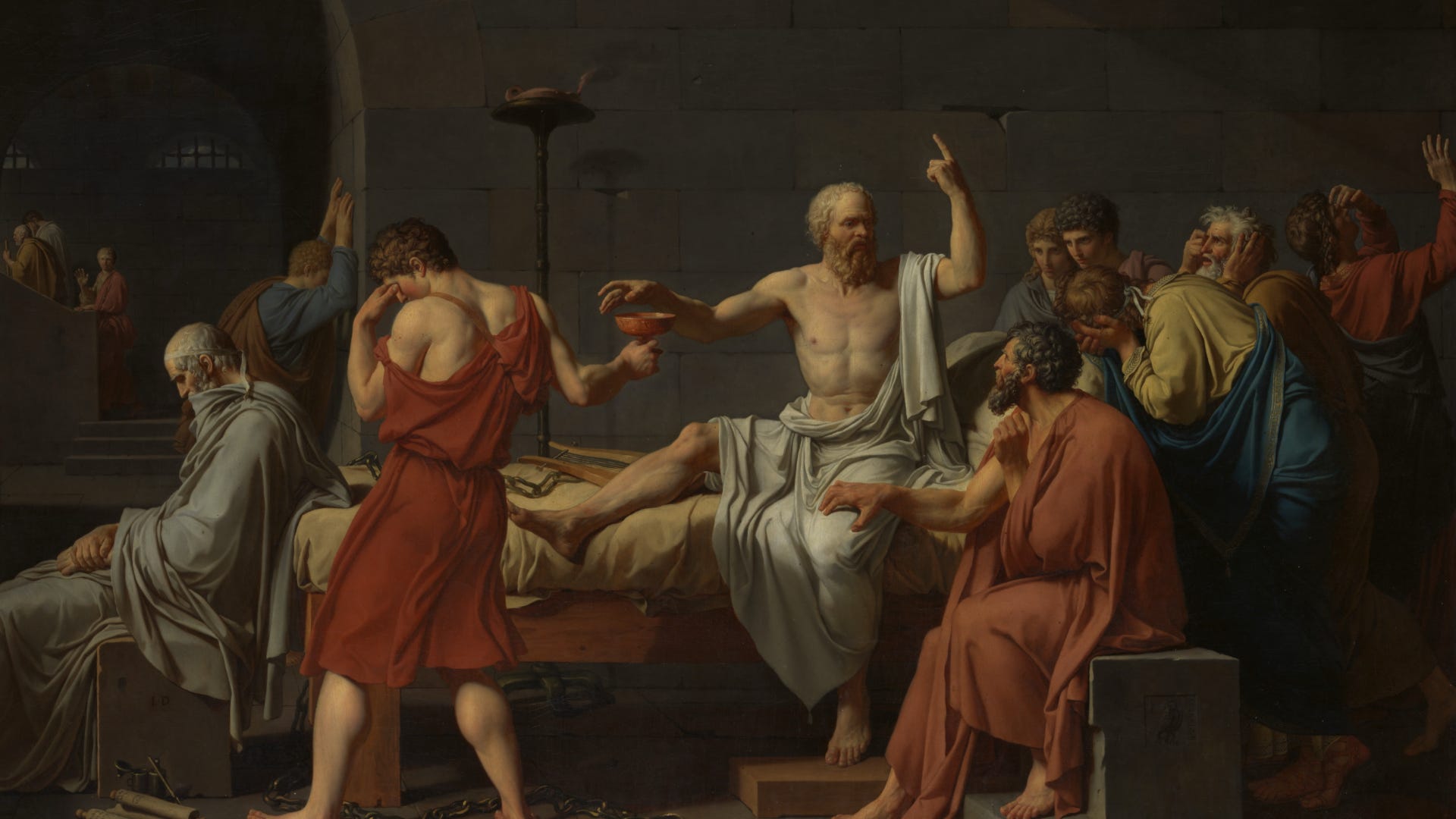
Of course, the logic is human and fallible, and so it’s always a work in progress, it’s always trying to catch up with the new stuff, new techs that often change or even sets up new rules, new games, new boundaries. As we’ll see, the human creative-destructive response transvalues the world and even what it means to be human. It can metamorphose value itself. How are our kids doing with social media, or adults with nuclear weapons and dirty bombs you can build off the internet?
Humans have been creating value since we first emerged on the African savannah. This modern “capital” version is bigger and more technologically powerful, but it’s connected at the hip with all the players who made us possible, those amazing cousins who engineered our trek through 100,000 year ice ages or volcanic winters to get us to from there to here.
Once we open our imaginations to capital and capitalism as the long trek of human creativity, we begin to live and perceive “capitalism” in the context of the entire “Homo Sapien Age,” what anthropologists call the “Anthropocene.”
The Anthropocene isn’t just the recent amazing 250-year techno-industrial explosion of tech and human populations, or even the 10,000 years since agriculture appeared. The Anthropocene has been a million years in the making, beginning on that African savannah when our outlying hominid cousins first exploited fire and cooked their food, a game and rule-changing innovation that triggered more efficient metabolisms and our high-energy, outsized, “sapient” brains.5
The Anthropocene emerged from the wild. Yet rather than taming this quantumly entangled wilderness with our techs and elegant strategies, haven’t we only made it wilder? We first picked up stones and made tools. Now we take stones and make nuclear weapons.
Yet by imagining capital and capitalism, or “globalizing civilization,” as the present emergence of the human value creative-destructive response, might we better grasp how we are living an original, universal human drama? By placing its amazingly creative – modern medicine, Apollo on the Moon – yet at the same time terribly evil and destructive – the 20th century’s World Wars and Holocausts – acts into the full and swarming history of a universal story, an Anthropocene “time,” can we first gain a deeper and more humble sense of what it means to be this wild, virtually unrestrained human? Would it help us make better, more critical decisions, to better anticipate the bounties and risks of new ideas and strategies and techs?
This wild globalization Anthropocene response is a compassionate and incisive call to critical thinking and pragmatic decision-making. It’s a response to our virtually unrestrained imaginations and our hyper-natural will to power to do good or evil.
The Human Value Creativity-Destructivity Responses
We’ve been tracking these responses all along – cooperation, innovation-entrepreneurship-markets, excess production, reserving, agriculture, urbanization, debt, virtual capital, private property, SCALE, and the practical-ethical imperative.
To rethink “capital” and “capitalism,” we can first observe how human zero-sum and non-zero-sum knowledge-value creativities are responses to the playing fields’ given orders. In a high risk, high competition world, first with saber-tooth tigers and now our eight billion to feed, how do humans dream up and then deploy “E = mc2” intelligibilities to respond to and then direct their natural world? As Beth Shapiro observed earlier, how, or why, do humans create “kale from wild cabbage, or Boston terriers from wolves?” Or, as a wild globalization inquiry adds, atom bombs from dirt?
Cooperation: From “Working together to “Super-Wealth!”
“Capital” and “capitalism emerge from human cooperation. Cooperation is found in virtually every advanced life form, from microbes to ants to elephants, even “capitalists.” “Cooperation is everywhere: plants provide each other nutrients, fish remove parasites from each other’s scales, ants build nests together, predators hunt in packs and bees will even give their own life for the benefit of the hive.”
We noticed how humans first teamed with wild wolves some 15,000 years ago, and would then advance cooperation into longer-term planning and governance strategies as they deployed agriculture and settled in larger urban centers. By the 20th century, 400,000 NASA engineers landed two guys on the Moon. Cooperation creates synergistic, non-zero-sum “value.” Smartphones are cooperatively “satellited” and “GPS’d” because we learned how to go into space. Together.
Cooperation is both a zero-sum – let’s work together – strategy, but it’s a core non-zero sum logic as well. Instead of just chasing rabbits together, I make a new gadget, like a non-zero-sum bow and arrow or atlatl to better feed my family, or maybe a smartphone to keep track of them.
And if it’s Jobs’ smartphone, then everyone on the planet gets connected, “co-operated.” Bezos’ might create a “marketplace” where you buy it with a Jobs’ “mouse click,” and then, whoosh(!), everyone’s off to the 21st century’s latest human race. But then – whoosh – our kids get lost in “social media.”
The 21st century is now as hyper-connected, hyper-integrated, globalized “bazaar,” where billions of consumers wait, ready to “co-operate” and buy stuff. And if your stuff is good, then Jobs or Bezos might become million- or billionaires. Overnight. The world’s first trillionaire may already be walking the planet. It’s one thing to build a Microsoft, an Amazon, or Apple, or a StarLink for your family or your clan or your hometown – it’s quite another when it reaches the eight billion.
Modern human value creativity can trigger “flash wealth” asymmetries and income inequalities that become flashpoints for rancorous resentment, envy and even violent geo-political conflict.
So how prepared are “modern,” globalizing humans, just 400 generations removed from hunter-gatherer, small-group psychologies, to cope with national markets of millions, or global markets of billions.8 Carnegie’s steel, Rockefeller’s oil, Morgan’s finance built early, 20th century’s infrastructures and gained asymmetrical wealth. Jobs’ smartphone, Bezos’ Amazon, Page’s and Brin’s Google, configure the co-operating soul of our century. Musk’s Starlink is even reshaping the modern battlefield in Ukraine.
Cooperation is a natural evolutionary survival strategy which human emergence has exploded and scaled to hyper-natural and seemingly unrestrained possibilities.
Excess Production and Reserves… then Prosperity

Excess production and reserving is everywhere in the natural world. Bees store honey. Squirrels “squirrel away” nuts. Humans, however, do something else – they think and plan, they adapt, often quickly, as risks and circumstances change.
Wild Ecology earth warming under the current climate optimum changed human adaptation strategies. People began to grow, plan and then trade food resources. Food was, quite simply, the earliest form of “capital.”
People, however, have always wanted and strived for more than just survival. In Wild Culture we talked about the “unrestrained desire to know,” and observing the 20th century’s world wars, we added the “unrestrained desire for power.” We can add another here: the unrestrained desire to prosper. To make and buy and have “stuff.” Lots of stuff! Clever tinkerers, inventors, and entrepreneurs constantly entice and hook consumers with more and more non-zero-sum stuff. Economists dryly call this “consumer demand.”
Who or “what” actually “won” the 20th century’s Cold War? Was it the $26 trillion (2025 dollars) spent on guns and rockets? Or was it because freer markets made better and lots more stuff – BMWs, Benzes, Toyotas, Fords, Chevies. By 1970, the U.S.’s 200 million consumers were driving 20 times as many passenger cars as the USSR’s 240 million consumers.
The Apple and iPhone didn’t happen in Moscow or Beijing, but in Jobs’ garage or with Bezos selling books. The West won the Cold War because its freer and wilder and “hotter” innovators, producers and consumers won the excess production, “prosperity” war.
Innovation, Entrepreneurship, Markets
Innovation-to-entrepreneurship-to-markets is how the unrestrained desire for value creation responds with non-zero-sum techs and strategies.
Wild human innovation dreams up clever devices and strategies from wild nature – from using fire for protection and cooking food and brains, to fabricating atom bombs made from the naturally occurring Uranium 235 fissile isotopes.
Innovation emerges from “outside the box thinking power,” what we’ll explore later as “wild learning” – it’s Edison’s 10,000 laboratory “failures,” or Jobs’ and Wozniak’s “garage” imaginations, or Musk sleeping on Tesla factory floors, that dream and wrestle up the “capital” values of the lightbulb, the PC or the EV.
Innovation lives and constantly changes human conditions and circumstances. Most of us have moved to cities and are having few kids because we’ve industrialized agriculture – for better and worse(!) And in just a couple of generations, birth control has transformed human demographics and the rules of sex!
Innovation needs entrepreneurs to get the gadgets out to the people. Recall how the Chinese cleverly invented printing, gunpowder, and navigation, but it was the scrappy, enterprising Northern Europeans who got Bibles and newspapers out to the folks, and it was their canons and compasses in the hands of enterprising sailors that dominated the seas and landed the scientific-industrial revolution in the Americas. Markets of freer producers and consumers test and confirm and reward the value of stuff. Would you rather drive a BMW or Tesla, or a Yugo?
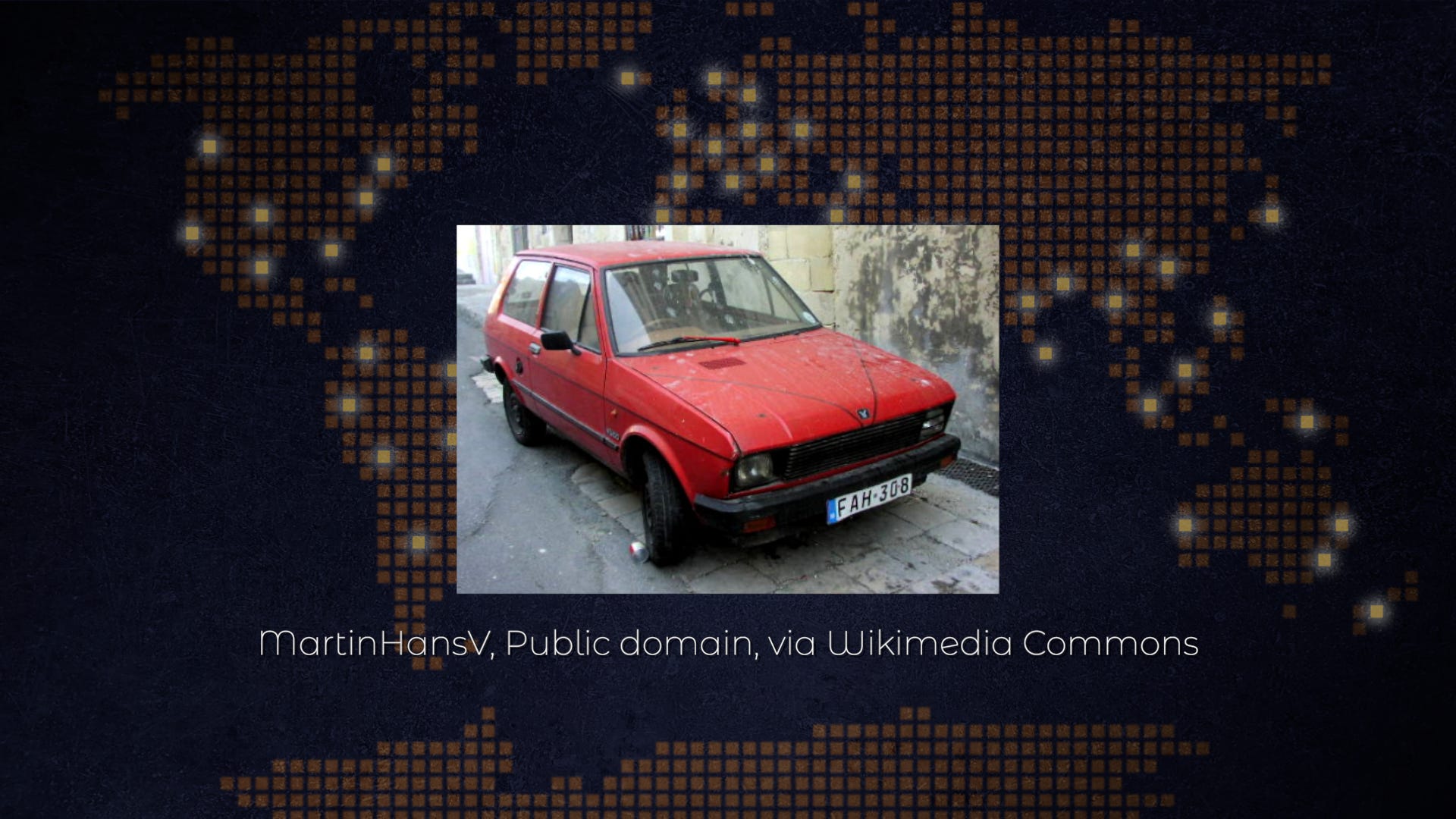
Still, innovation routinely wreaks havoc with the quality of human and natural life. Innovation simply creates – and destroys – value. Imagine eight billion cars on the road?
Innovation and market distributions are curious and serendipitous and wild phenomena – we play in them, but they play us. Consider Bart, the grizzly bear. In the movie The Edge, Charles Morse, played by Anthony Hopkins, gets lost in the Alaskan wilderness and survives a grizzly bear attack by impaling it on a spear – it’s Hollywood, after all! Astonishingly, the bear was a living and breathing “griz,” named Bart, trained into stardom by innovators Doug and Lynne Seus. In real life, Bart never harmed a soul. Bart later made his own movie, The Bear, that grossed over $100 million box office “capital.” So is Bart just another innovating, greedy “capitalist?”
Ag, Urbanization and “Civilization”
Agriculture came along under the current Sun-triggered (Milankovitch Cycle) climate optimum. Urban centers appeared as early as Jericho (9600 B.C.E.) and began to change, really to transvalue, human and Earth life. Ag and cities appeared over 150-200 generations, or 3000-4000 years and together represent the two most dramatic and dynamic lifestyle changing momentums of what we call our modern “civilization.”
Ag and cities transformed the “capital value and reserve” game. Excess food stores became one of the earliest forms of “capital.” Whoever controlled food production and excess food resources became the capital “power-brokers.” These urban centers also became the most logical hubs for trading reserve goods.
Growing urban centers required new rules and more powerful leadership to maintain and manage both excess resources and more complex societies. By the latter stages of the first agricultural revolution, circa 4000-3500 B.C.E., cities had become power centers for expanded “state” governance and military power, as well as trade and human culture.
“Capitalism,” the market system that values and moves the excess human creative reserves through complex social-economic orders, and “capital,” the excess reserves of value, expanded and intensified under the emergence of agriculture and urbanization.
Civilization emerges from the entanglement of factors and now lives in our modern human-value strategies and systems, that is, production (economy), management (governance), culture (civil law and ethics, science, faith traditions, the arts), and wealth.
Debt… the Leverage of “Value”
Urban living required larger, more reliable, and so more complex food reserve management. Ancient governments, palace priests, and wealthy individuals in the Levant, Mesopotamia and Asia gradually concentrated control over both land and excess grain reserves. Food supplies could be increased by “lending” out excess grain reserves, or “seed-grain,” to aspiring farmers. Agricultural production was “leveraged,” multiplied, with the appearance of debt lending, which also increased the power of governance itself. Market players use the term “seed-capital” today.
Egyptian hieroglyphics and Mesopotamian cuneiform confirm that “…credit systems…actually preceded coinage [or money] by three thousand years...”
Debt lending, however, also casts a shadowy history. Aspiring borrowers would put up “promise to pay” collateral, so “hard” resources like land, but also the risk of indenture or enslavement if crops failed and the debt went unpaid. Chattel slavery persists today as global human trafficking estimated to exceed $30 billion.

Debt is the wildest and most dynamic quantitative story of the 21st century global economy, totaling over $300 trillion,13 roughly three times the productive economy. Governments carry $100T of that debt. Even the Statue of Liberty, the welcoming lady and symbol of global capital, stands in New York City harbor today because Jospeh Pulitzer secured $100,000 of “crowdfunding” to beat out Baltimore, Boston, San Francisco and Philadelphia.
The Wild “Virtual Capital Value” Response
As we tracked in Wild Money, humans play this “hard-drive” zero-sum physical resources game with our information-imagination-knowledge powered, soft-wired, “virtual value” game. This “virtualized” world has come to life over the Anthropocene’s full trace, a million years of hominid and Homo sapien history. It runs through every virtual, language-bound artery and vein of “capital” and “capitalism.” We’ve played it on stone tablets, paper, and now “digitized” computer screens. Its numbers light up our digital lives, but its value is really “out there,” “on the street,” and it can dynamically mobilize yet also violently rock and rankle global civilization. Can you say the 2007-2009 “Great Financial Crisis?”
Recall that virtually anything of value can be “money-fied,” “capitalized,” or, to use finance’s term, “securitized” – essentially all ag-products (e.g., corn, cotton, pork bellies) into “commodity futures,” but then also student loans, auto loans, credit card receivables, and, as the Crisis revealed, “Mom & Pop” mortgages into mortgage-bonds, credit-default-swaps, and even wilder, “derivatives of derivatives.” The financial world is awash in dazzling, digitized trading schemes that move and “float” trillions on vast oceans of virtual value markets. Every minute of every day. And night. “Securities, we say?” How “secure” was the Financial Crisis, anyway?
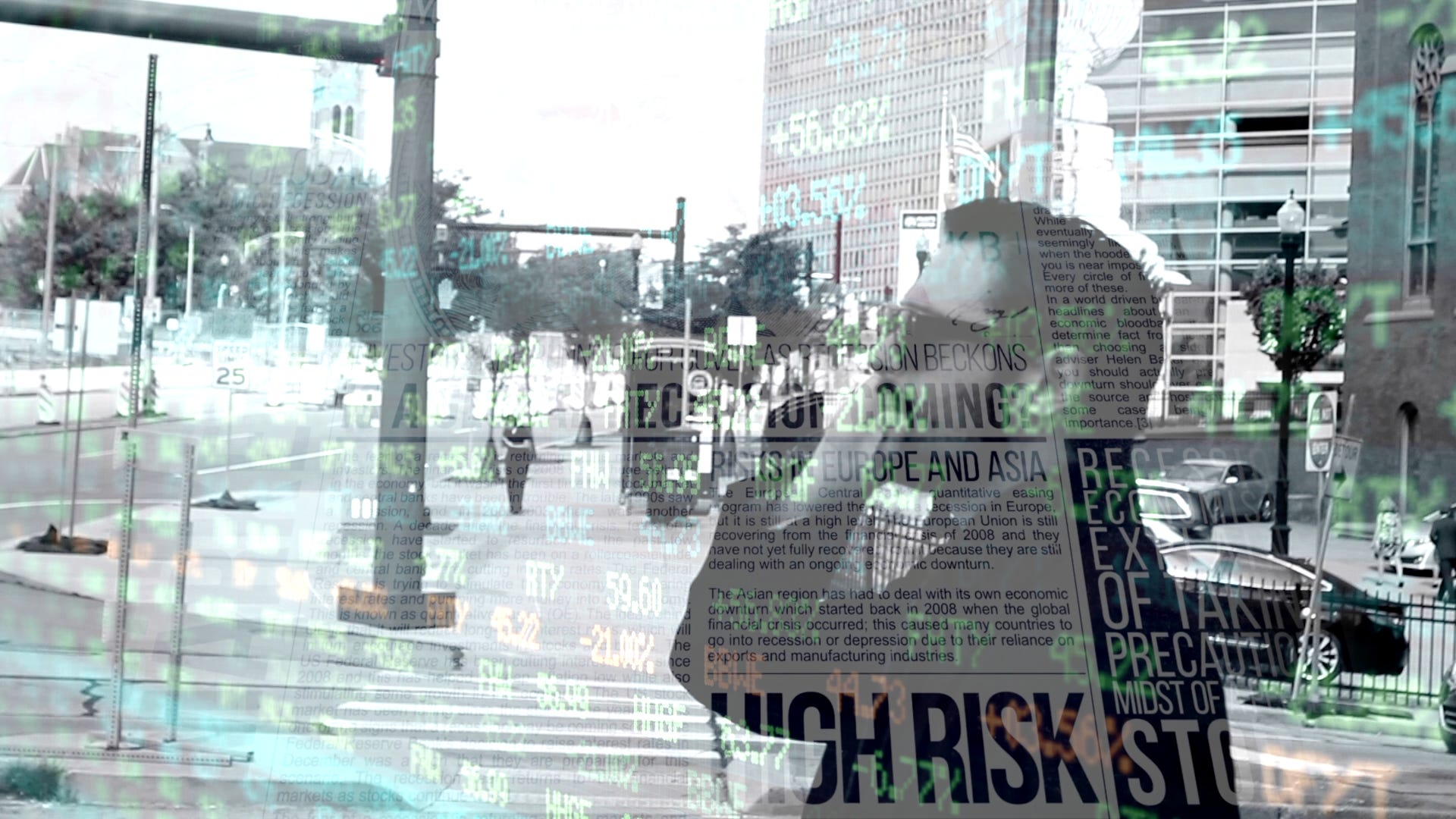
So here we’re returning to the question of whether, as we get kicked around by history’s “great” crises, wars, depressions, fought over markets, or oil, or “power,” are we playing the game, or is the game also playing us? Are we back on M.C. Escher’s staircases?
The physical world’s quantum entanglements – from its gyrating climates, volcanoes, solar mass ejections, to our eight billion global players, to all the corn or wheat “bushels,” or oil “barrels,” even our clever and touchable inventions and innovations – the entanglement remains captured in this wild and fiercely high risk, high competition game. We’ve taken the zero-sum natural risk-competition game, virtualized it, and transformed it into an entirely new and higher-risk, and thus transvalued lifeworld. We play it and it plays us, on a constantly emerging, rules changing, value creation-destruction and multi-dimensional chessboard. We have arrived at a new, if still Earth-bound “wildness.”
Marx’s “value forms” remained mysterious for him because the economic physics he pursued was always incessantly being transvalued to this virtualized game that defies and compromises physical quantification. Just when we think we’ve pinned down the value of a product or strategy, markets trade, an innovator creates a new and destroys an old product, or automation and now A.I. transvalue production and labor, and we’re left swirling in the incessant transvaluation of value. Consequently, information-knowledge-imagination virtualized value is wildly more powerful. We’re still trying to catch up and imagine how wild it is. And it’s only getting wilder.