


Introduction
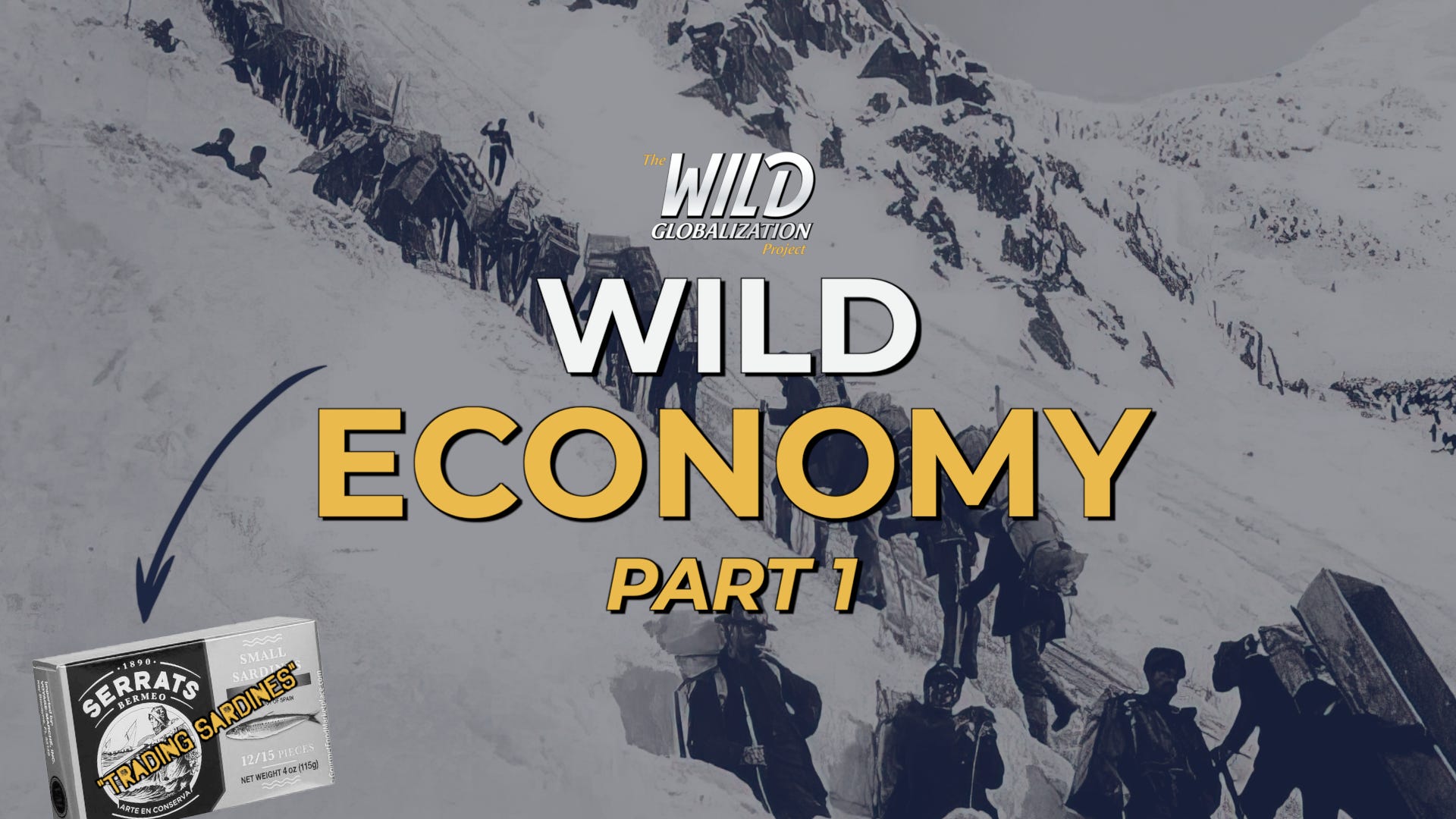
Welcome back to the Wild Globalization Project. Today we’re talking about the Wild Economy, Part 1.
We’re asking, “How does the 21st century global economy work…OR NOT? Eight-billion folks living in prosperity and poverty, side by side, and too many trapped in human trafficking and modern slavery. And now horrific wars in Europe and the Middle East threaten global peace and economy? It’s chaos. Yet, and here’s the challenge, human populations today are the largest but also healthiest, best fed, and longest living, EVER…how does that work?”
We’re told it’s a ‘globalization’ thing – supplied-chained, inter-dependent economies. But now with pandemics, shutdowns, financial collapses, things run by A.I. algorithms, not people. Where half the world’s workers live in ‘shadow,’ street-vendor economies, untaxed and unregulated by governments. Over a million people every week are flooding into our 10,000 cities, transforming economies and societies into…what? All while most citizens are failing to notice that our ‘peacetime’ governments are buried in debt, printing trillions to pay bills, and with massive, unpaid social welfare programs hanging in the near future? – How is all that working?
So, really, we’re asking, “What’s going on? What is this global economy thing and how does it work, OR NOT?” Here’s a clue: The global economy is evolutionary…and evolution is wild…!”
Provocative Statement
We’re asking if civilization's life-world might actually work like a "BLACK BOX," what modern physics calls a “quantum entanglement.” Where this wild economy river is crashing into a wild ecology, a wild demographics, a wild technology, a wild governance, and a wild wealth river – all inter-, over-, and under-flowing the others, each with its own source and power. Becoming a singular momentum that’s tearing down but then building up the life-world.
We’re asking if it’s from this “creative destruction” that the spontaneously emerging orders of life appear?.
But…wait a minute…there goes a human and she’s diving into it…riding a KAYAK…holding paddle! Where did she come from…what’s she doing there…?
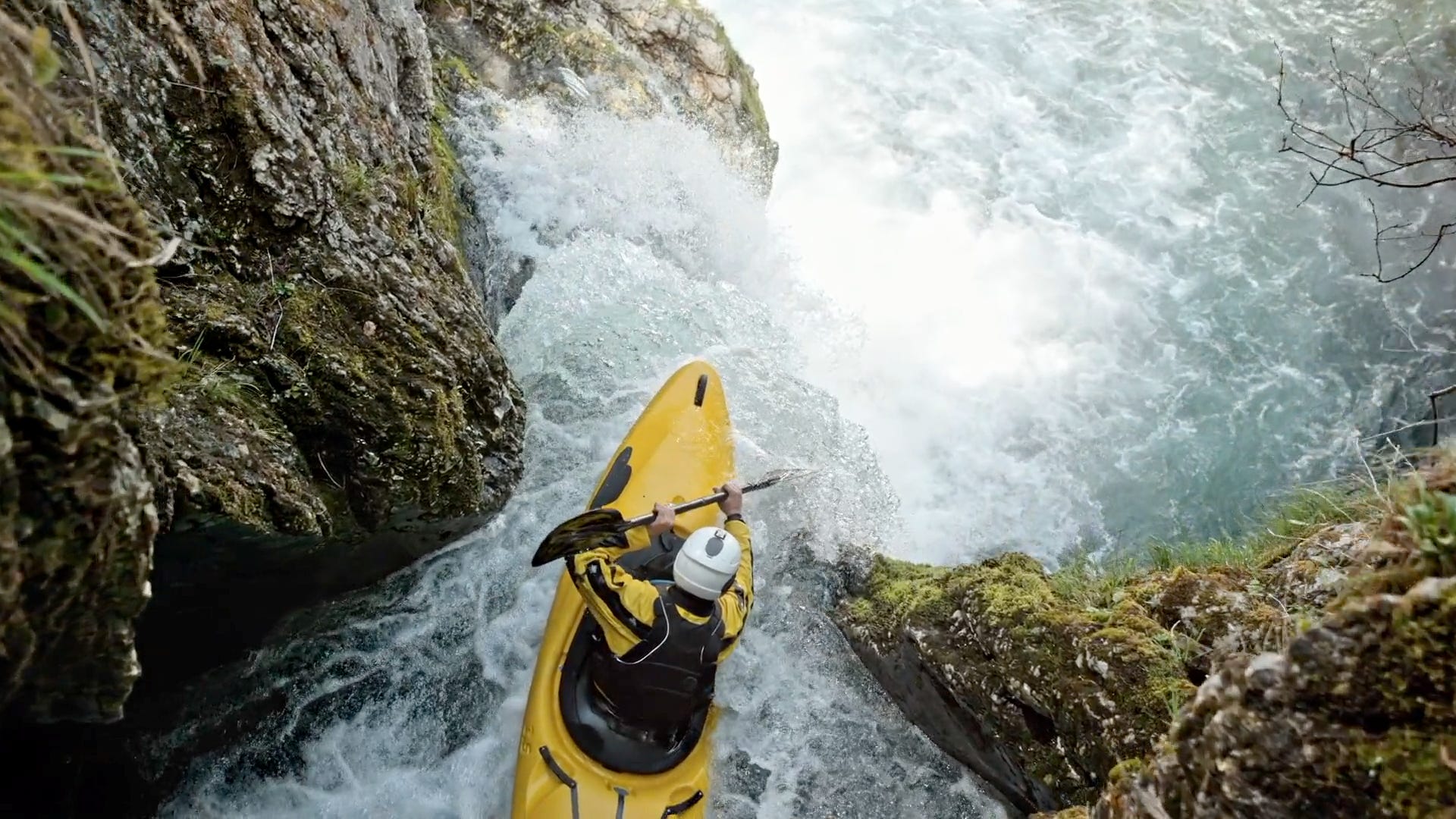
She’s showing us how humans have not emerged “from the wild.” We are wild Homo sapien. The wild is happening right here and now. We’ve spread over and globalized the planet for 250,000 years. Our human “nature” has roots deeper than Wall Street or Main Street, or booming-busting economies. We live in the throes of this quantum entanglement of ecologies, demographics and cultures, technologies, economies, governances, and wealth.
To get here we’ve relied on two unique human abilities: Our critical thinking, OR NOT! And, our ability to love and care for each other and the planet, OR NOT!
We’re wondering how our critical thinking or our conscience can let us think it all at once. How is this entanglement affecting the planet, changing it? But then, how are we getting kicked around by it?”
Finally, as Uri Levine suggests,
“We’re trying to fall in love with the problem.”
Uri Levine
We’re kayakers launching into the wild flows that incessantly break down but that then spontaneously build and create the orders of life on Earth.
What is the ‘Wild Economy’…?
“Economy” comes from the Greek word “oikos” for “house or dwelling place.” Economy is where we live. So it’s also the root for “ecology.” Economy and ecology are entangled in our speech and our imagination.
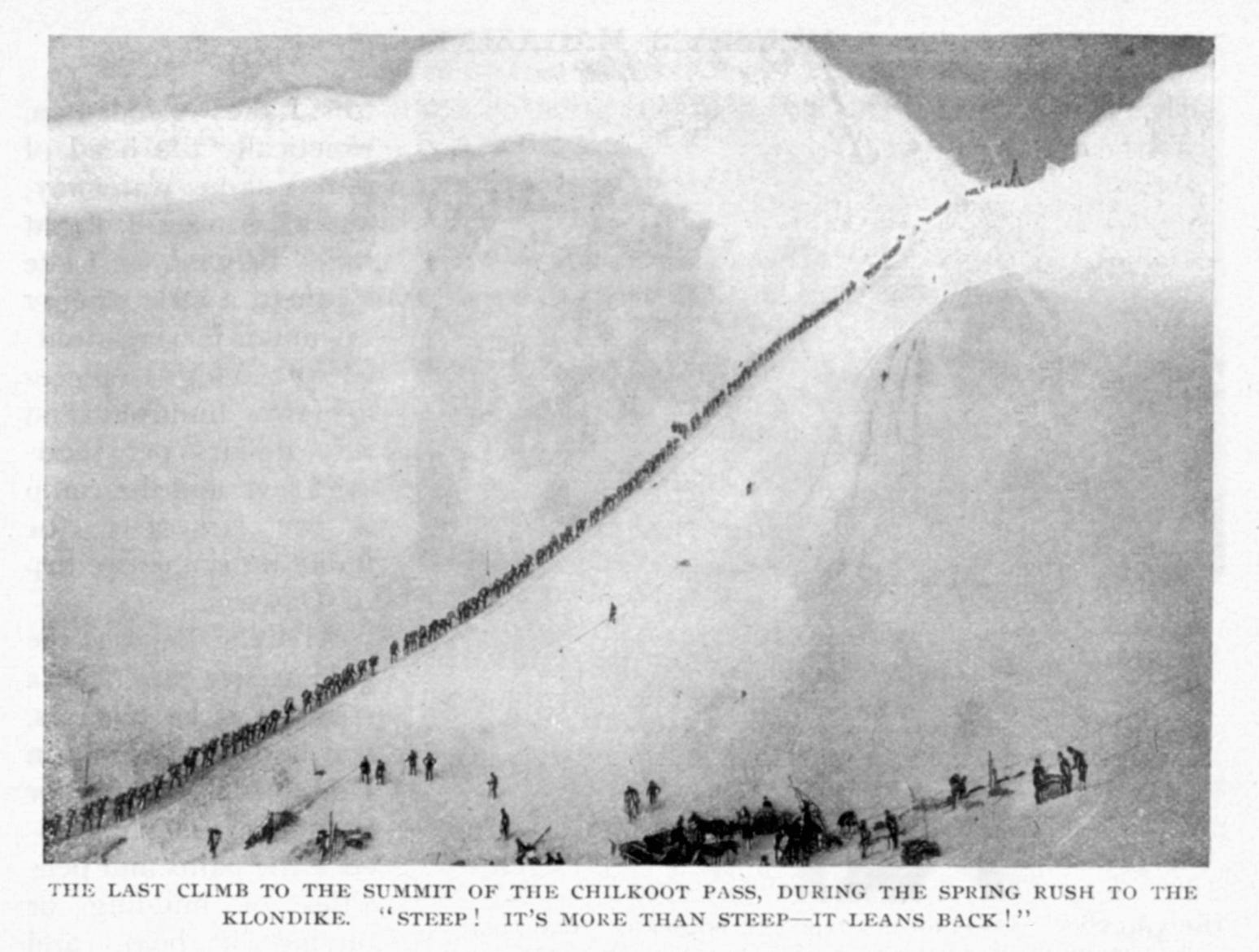
Economy asks, “What is something worth…and how do we know that?” Listen to this wild story from the Alaskan Klondike.
“In Alaska, during the first gold rush, one winter was particularly rough and famine ensued. To survive, people only had sardine cans, and a lively market took place in this rare commodity. One fellow bought himself a can of sardines at an extraordinary price, but was surprised to find, upon opening the box, that the sardines were rotten. He went back to complain, but was told by the can’s previous owner: “but them’s weren’t eating sardines, them’s were trading sardines!”
Louis-Vincent Gave, Too different for Comfort, 2013
Trading sardines in a winter famine reminds us how famine and pandemic have raged through human history: in the common era, the Plagues of Justinian and the Black Death collapsed European populations by as much as 50%. Yet the Europe that survived ushered in the Enlightenment, the “European Miracle,” and the economic tidal wave of modern commerce, science, and technology that we’re riding today. How did that happen?
Economy entangles all of globalization’s momentums. Alvin Toffler notes that
“A market...does not consist of the steel, shoes, or cotton, or canned food [like Klondike sardines] that flows through it....it is the structure through which goods and services are routed...it is not simply an economic structure...[but] a way of organizing people, a way of thinking, an ethos, and a shared set of expectations expectations [“eating” versus “trading sardines”...The market is thus as much a psychological structure as an economic reality. And its effects far transcend economics."
Alfin Toffler, The Third Wave, 1981
Benoit Mandelbrot, an IBM practical scientist and one of the 20th century’s great thought-leaders, also researched cotton markets. He discovered that, like sardines, market prices follow a “rough and wild randomness.” He showed that rare events, or “fat tails” – like Covid pandemics or the 2009 global debt crisis – can violently warp and change the trajectory of human economies. Mandelbrot concluded,
"Finance is a black box covered by a veil…”
Benoit Mandelbrot, The (mis)Behavior of Markets, 2004
“Sardines in a famine,” “ethos and expectations,” “wild randomness and black boxes…” How can we understand “economy?”
“Scarce” Resources
Economy starts with “scarce resources.”
For thousands of years human survival has been a wild, “skin of our teeth,” game. Just 50,000 years ago only a few thousand of us had survived. And yet, here we are.
Thomas Sowell notes that,
“…economy is the study of scarce resources...what does scarce mean? It means that what everybody wants adds up to more than there is...The cavemen had the same natural resources we have today, and the difference between their standard of living and ours is a difference between the knowledge they could bring to bear on those resources and the knowledge we use today.”
Thomas Sowell, Basic Economics, 2015
Economy pays less attention to the raw quantities of resources and more to how we apply discovery and knowledge to create resource “orders.”
Take energy. As Peter Huber and Mark Mills note:
"Starting from nothing 4 billion years ago, life somehow contrived to capture high-grade energy from here and there and used it to assemble more life…life, a very complex form of order, now covers the planet...About 8.000 years ago human societies began planting and breeding crops to capture solar energy... they used the energy mainly to breed more people, who planted more crops, and human energy consumption doubled every five to ten centuries...the more efficient we become at refining energy, the more we want to use it. …Demand for energy is as insatiable as demand for information, time, order, and life itself.”
Peter Huber & Mark Mills, The Bottomless Well, 2006
Innovation
Humans didn’t merely harness Earth’s resources – we changed the resource order. Nature gave us upright posture, skilled hands, and big brains. Our large brains needed lots more calories. So we learned to hunt in teams and we recruited wild wolves to help. We invented language. We lived in social groups. We used fire for protection and cooking. We invented tools and weapons for the hunt.
As we discovered in our Wild Ecology and Wild Demographics talks, humans didn’t grow “un-natural, we grew “hyper-natural” – we took Nature’s raw stuff and created new tools and tricks and “orders.”

But here’s the rub. As we eked out a survival,
”We gradually exploded the wild momentum and power of the natural world.”
It would take us 250,000 years to get to one billion folks when modern industry breaks out in 1800, but then just 200 years to reach six billion at the beginning of the 21st century.
Caring for all eight billion of us today will mean even more smarts and innovation, more food, shelter, but also smartphones, energy, etc. Human demand for stuff, for life, is wilder than ever!
There’s another rub to innovation. As we create new technologies, we displace or even destroy what’s already there. Humans first moved goods and people over water with boats powered by oars and paddles – like the kayak. But then we invented wind-powered sails. We replaced that with the propeller, powered by steam, then diesel, then nuclear. And now most people and lots of stuff move over the oceans in modern jet aircraft. From the paddle to the jet! And lots of people changing jobs along the way.
As Joseph Schumpeter describes human innovation,
“We are dealing with an evolutionary process. …the productive apparatus…incessantly revolutionizes the economic structure from within, incessantly destroying the old one [and] creating a new one. This process of Creative Destruction is the essential fact about capitalism.”
Joseph Schumpeter, Can Capitalism Survive?, 1950
Ah yes, and just what is “capital…?”
Excess production…reserves…credit…capital!
We measure economy by “gross domestic product” (monetary measure of goods and services). Today the global economy is about $85 trillion – with maybe another $15 trillion for the “informal,” street-vendor economy, and…who knows…maybe $3-5 trillion for the illicit global economy (money laundering, weapons, drugs, human trafficking).
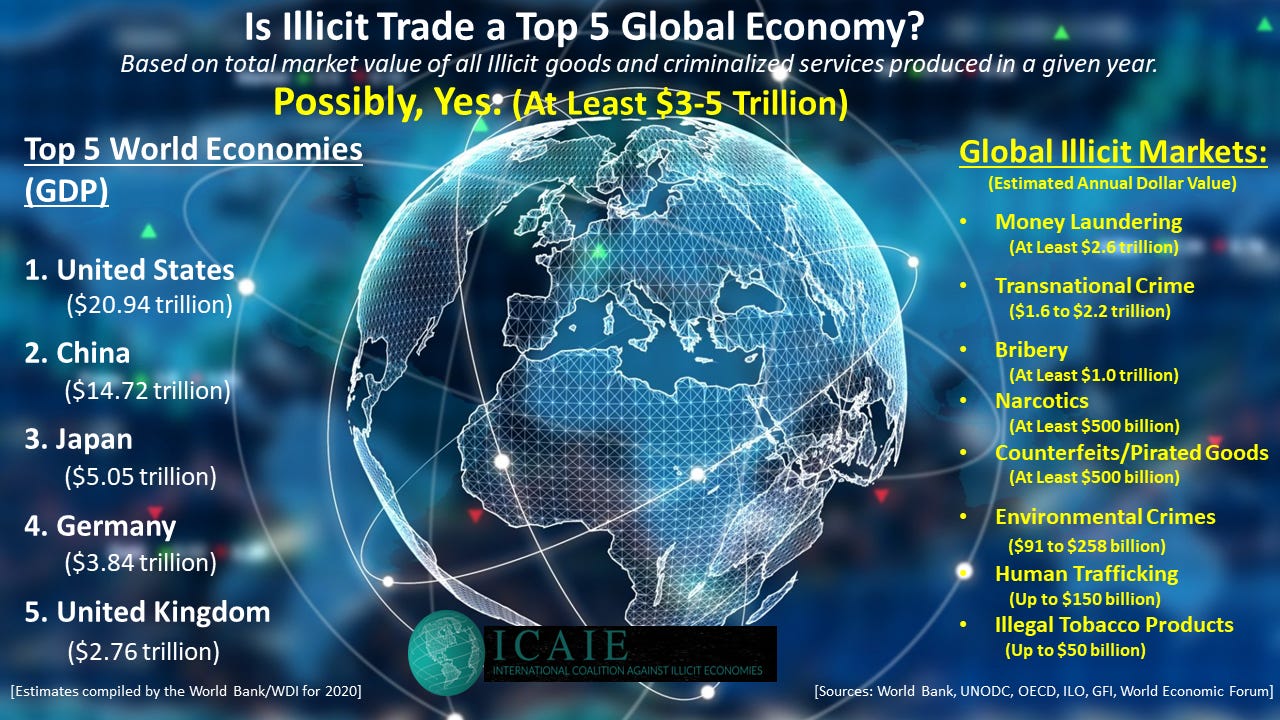
So how did we get from zero to $100 trillion?
FIRST – Humans managed scarce resources and produced excess reserves.
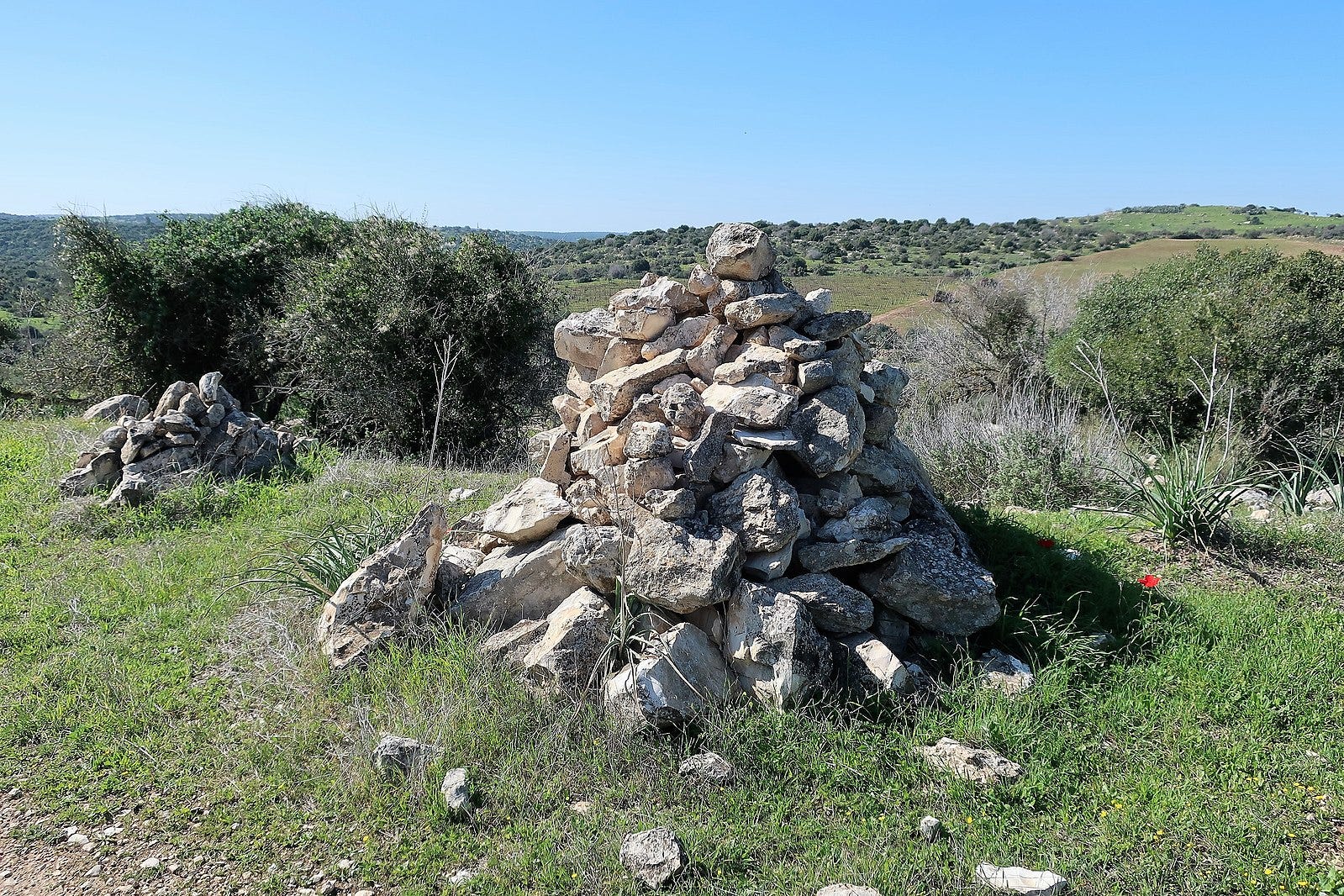
We killed more meat and gathered more stuff for reserves. Meat was cooked, smoked or dried, then stored. Early nomadic peoples used “cairns” to mark reserves of food and shelter.
Eventually, people settled the world’s great river valleys – the Tigris-Euphrates, the Indus, the Nile, and the Yellow Rivers. They started cultivating instead of just gathering food and they kept excess reserves for lean years. Excess production was an instinctive survival strategy that would eventually become a prosperity strategy. Today, we produce excess reserves of everything – from cheerios and potato chips to cars and smartphones.
“Economy” evolved from humans using intelligent innovation and excess production to survive rugged and unforgiving ecologies that provided only scarce or hidden resources.
We did what worked to survive.
SECOND – CREDIT
Agricultural societies found it practical to arrange themselves under “governments.” Governments managed the excess grain reserves, both for emergencies during poor crop-years but they also started to lend “seed”-grain to aspiring farmers. The reserves were loaned on “credit” and often at the grave risk of bondage or enslavement if the loan was not repaid.
Credit systems and investment risk appear in the historical record long – 3,000 years – before money or “capital.” Or, rather, capital actually starts out as excess reserves – “seed”-grain is the beginning of “seed”-capital today. David Graeber notes that when Egyptian hieroglyphics and Mesopotamian cuneiform were finally translated,
“What these texts revealed was that credit systems…actually preceded the invention of coinage [money] by three thousand years.”
David Graeber, DEBT - The First 5000 Years, 2011
Credit is an example of hyper-natural innovation. With it productivity exploded into the magic of “compound” growth. As Albert Einstein observed, “…compound interest is the greatest force in the universe.” Credit transforms the emerging human evolutionary paradigm. Today it’s now the magic force, and the quantum risk, of the modern global economy.
THIRD – “CAPITAL”
So, originally, “capital” is the actual good or commodity itself – grain or seed-grain. Capital is the excess reserve that comes from the magic of innovation, production, and credit lending.
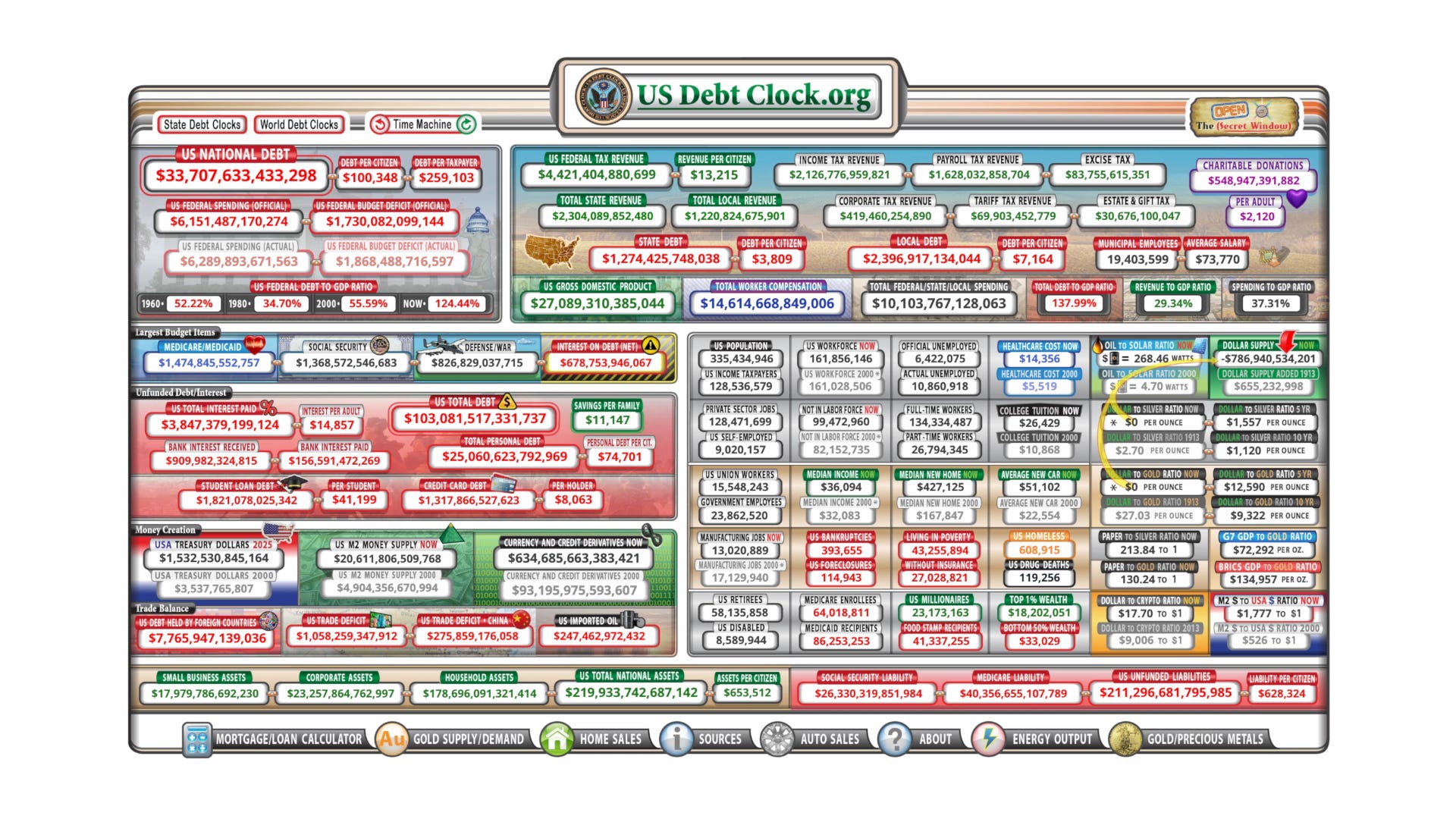
Because capital tracks its own wild, evolutionary course, we’ve created a Wild Capital and Wealth talk to dive into that…
Entrepreneurs…Consumers…Markets
The only thing left to add to the economy mix is…people!
First, people to organize the production and then get it out to markets – what we now call entrepreneurs.
Then add the folks who see the stuff, realize they can use it, and who then demand it – consumers!
Innovating, then producing and then getting the clever ideas and gadgets out to the folks, creating markets, is the secret sauce of the modern economy.
Curiously, the Chinese developed many of modernization’s technologies – gunpowder (9th century), the mechanical clock (8th century), the compass (11th century), and printing (7th century). So why did the modern “economic miracle” happen in Europe and not China? As Mao himself admitted,
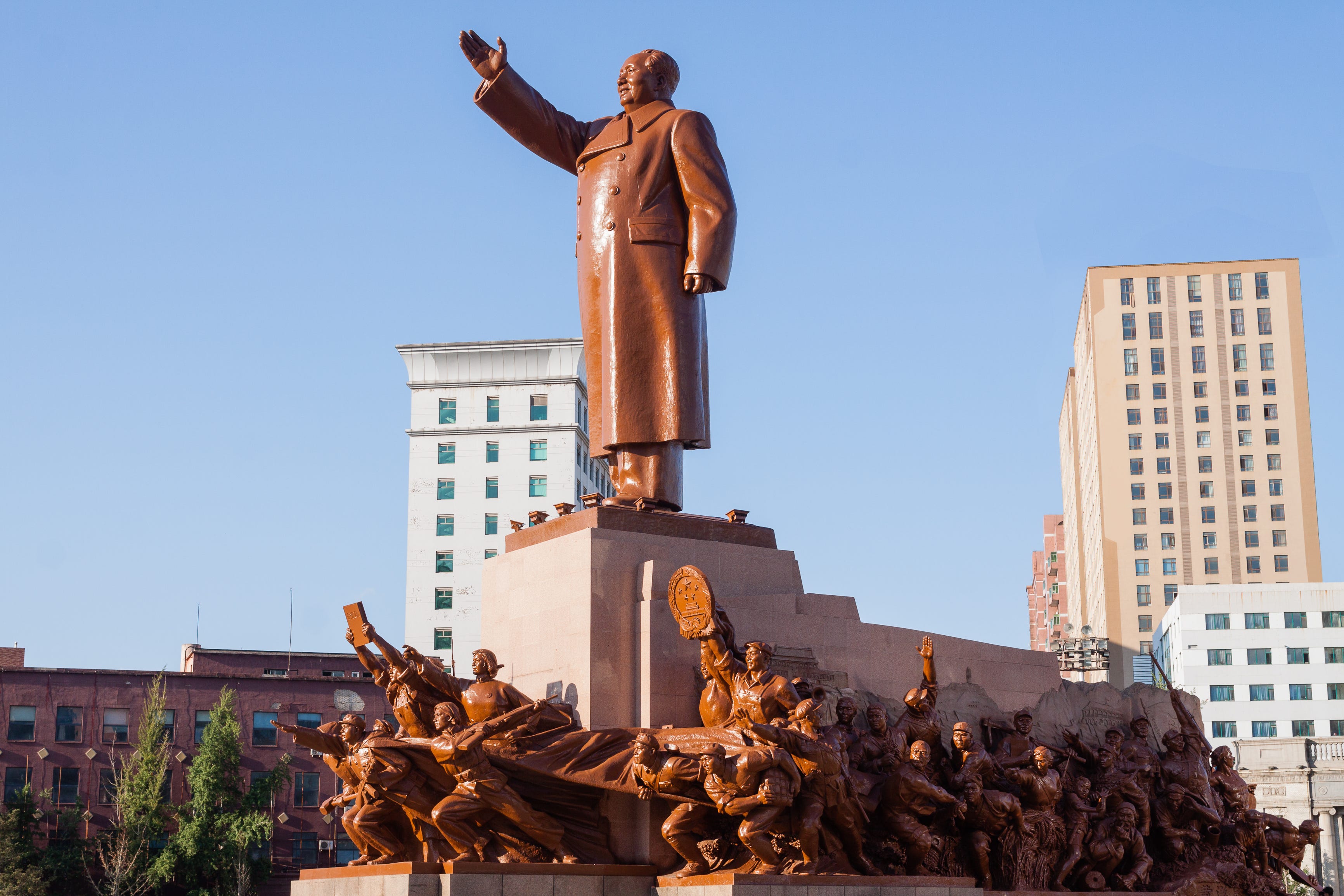
"Our fathers were indeed wise. They invented printing, but not newspapers. They invented gunpowder, but used it only for fireworks. Finally, they invented the compass, but took care not to use it to discover America."
Quoted by Deirdre McCloskey, Bourgeois Dignity -
Why Economics Can't Explain the Modern World, 2010
So what was different in Europe? While the Asian economies were the largest up to @1800 CE, during the “Dark” or “Middle” Ages (@500-1500 CE) the Europeans were taking a different approach to economy and technology.
They fought bitter wars with one another, so they took the gunpowder, combined it with advanced metallurgy, and ended up with the world’s most powerful and frightening weaponry. They improved the printing press and produced newspapers and books that spread knowledge to more folks. They used clocks to organize urban life. They used Viking ship technologies to innovate a wind-powered and more seaworthy and reliable “round” ship that could carry more goods even in rough weather. They switched from oxen to horses by re-inventing the horse-collar. And partly because horses worked 50% faster than oxen, they produced food surpluses that allowed some farmers to get into buying and selling products in the growing markets – merchants. Roads were improved and horse-drawn wagons were re-invented by adding brakes and swivel front axles.
In finance, credit lending and the limited liability company expanded business and investment opportunities. Modern monetary systems expanded trade and commerce.
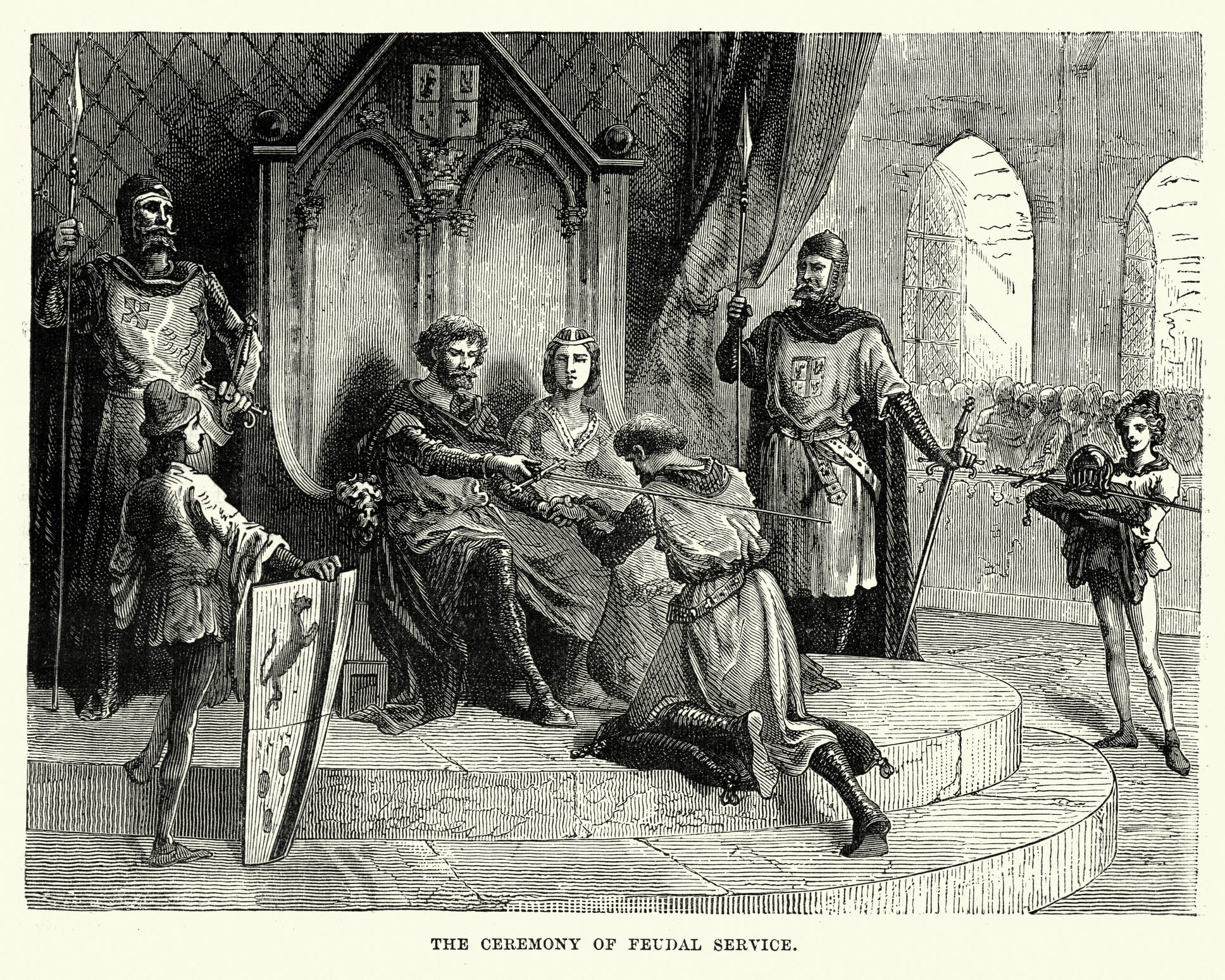
All these factors evolved Europe out of the restrictive feudal order and ushered in a new age of modern commerce.
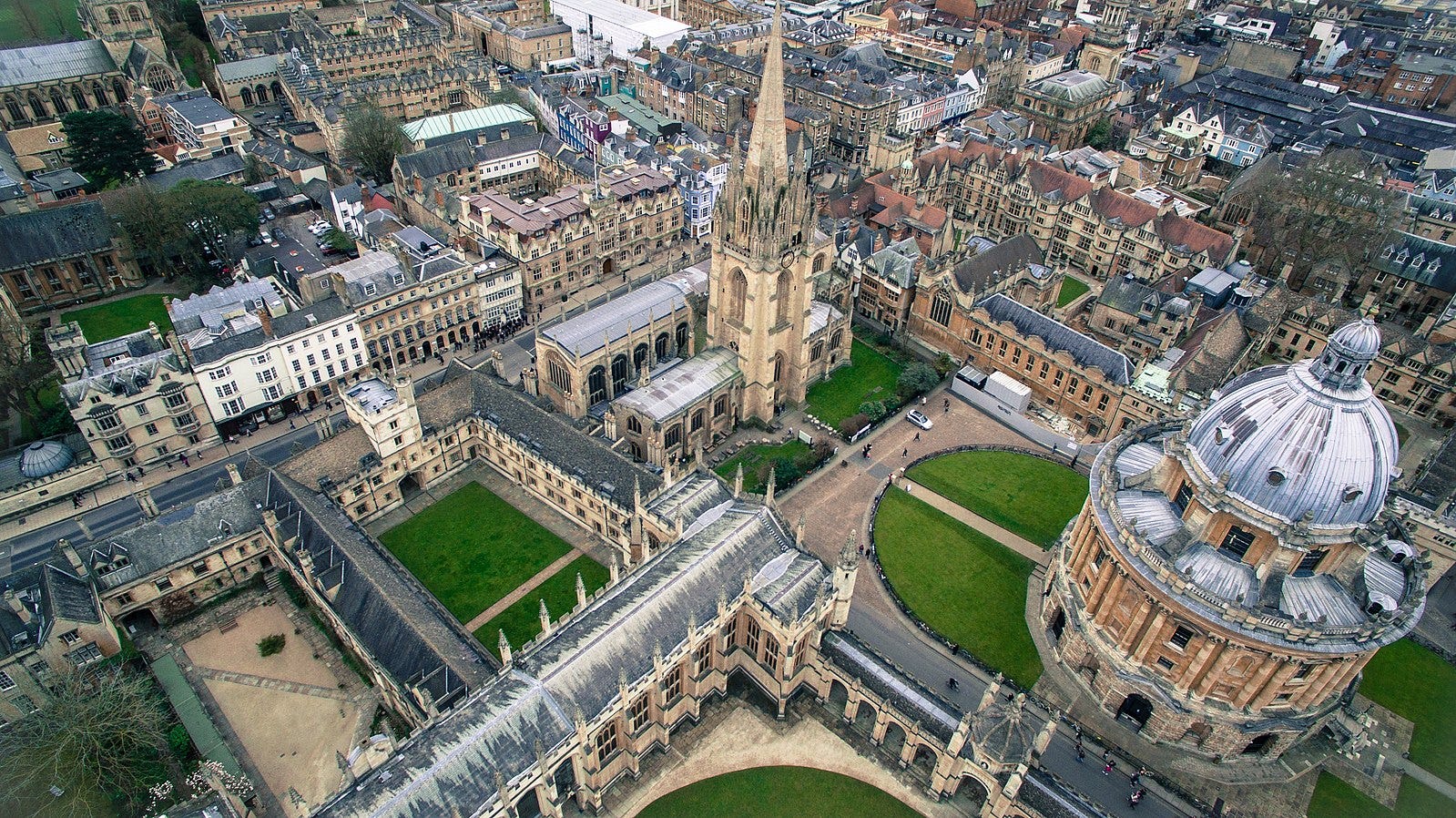
Finally, Enlightenment Europeans came to demand “knowledge markets” – by 1800 CE over 140 modern universities were operating in Europe.
So, while the universities systematized and communicated formal knowledge, entrepreneurs and markets deployed practical knowledge. It was knowledge that would power human economy into the modern age.
By the end of the Middle Ages, the Europeans economies were small and unnoticed compared to the larger, agricultural-based Asian economies. Yet over a thousand years, the scrappy Europeans had re-organized and evolved the economic, technology, and knowledge engines that would transform the new world looming on the horizon.
However, we should pause to ask, “What was the human condition before the modern age?” It simply can’t be overlooked that human existence prior to the modern era, was, for most folks, unimaginably dark and wretched. As economic historians Rosenberg and Birdzell observe:
“If we take the long view of human history…it is a story of almost unrelieved wretchedness. The typical human society has given only a small number of people a humane existence…while the great majority have lived in abysmal squalor. We are led to forget those who lived in the silence of poverty. The eras of misery have been mythologized and may even be remembered as golden ages of pastoral simplicity. They were not.
[Yet]…it became evident early in the nineteenth century that an unusually high proportion of people were becoming better fed, healthier, and more secure than in the ancient civilizations…that is, than at any other time in human history.”
Rosenberg & Birdzell, How the West Grew Rich, 2008
The Industrial Evolution(s)
In spite of pandemics, famines, or 30-year wars, the thousand-year run of European innovation, discovery, and knowledge dissemination changed not just their economy, but human economic possibility.
However, our Wild Globalization Project wonders if these industrial “revolutions” – Industry & Manufacturing (18th – 19th century), Technology (19th – 20th century), Digitization (late 20th), and now the A.I. Revolution – might these be better explained as “evolutions?”
So, reverse the order – How is A.I. conceivable without lightning fast digital “Cloud” computing, which is not possible without superabundant, cheap, electricity, which doesn’t happen without advanced and scaled industrial manufacturing? And none of it happens without lots of, and increasing, energy resources – coal, oil, natural gas, and alternatives.
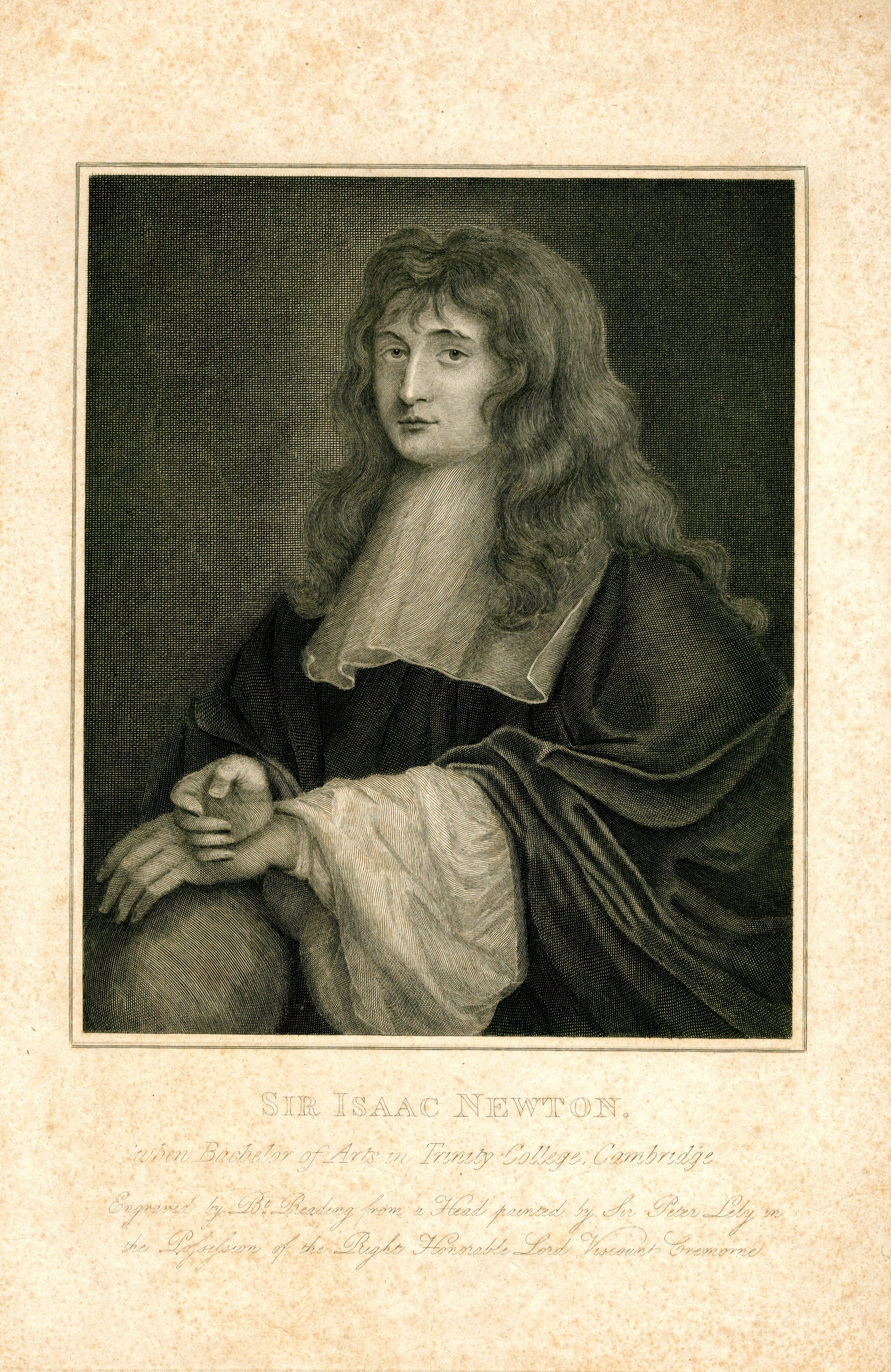
Finally, it all moves by the evolutionary, trial and error, advance of knowledge. This is why Sir Isaac Newton would humbly observe,
“If I have seen further, it is by standing on the shoulders of giants.”
Sir Isaac Newton, Letter from Isaac Newton to Robert Hooke
In his brilliant Unbound Prometheus, David Landes sets three principles that guided the new industry:
1) Manual labor was replaced by fast and precise machines;
2) The machines were powered by machines, tireless steam engines;
3) Finally, the machines used new, plentiful raw materials like iron-ore and coal.
He notes:
“These improvements constitute the Industrial Revolution. They yielded an unprecedented increase in man’s productivity and, with it, a substantial rise in income per capita. Moreover, this rapid growth was self-sustaining…for the first time in history, both the economy and knowledge were growing fast enough to generate a continuing flow of investment and technological innovation…The Industrial Revolution thereby opened a new age of promise. It also transformed the balance of political power, within nations, between nations, and between civilizations; it revolutionized the social order; and as much changed man’s way of thinking as his way of doing.”
David Landes, The Unbound Prometheus, 2003
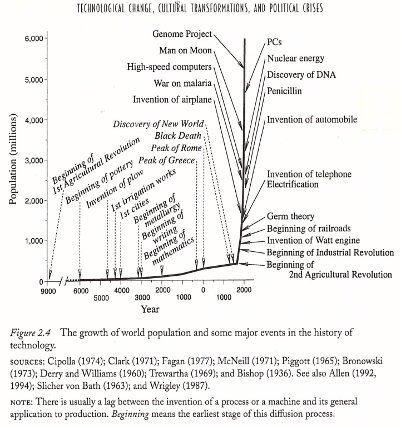
Robert William Fogel captures modernity’s population explosion (vertical graph) and what he calls this “techno-physio-cultural-economic” evolution (horizontal graph). It’s a classic “J”-curve, with each discovery and innovation building upon and setting the stage for the next. There’s simply nothing like it in all of human history.
Summary of Wild Economy, Part 1
The “European Miracle” has given history the most advanced version of the human economy model – “resources >>> innovation >>> excess production and reserves >>> markets-consumers >>> prosperity.” In two centuries it exploded our populations eight-fold, and most of us are healthier, living longer, and better fed.
But inside this quantumly entangled civilization, human evolution has raced ahead of our understanding, our conscience, and our ability to manage our lives in its momentums. In every corner, our human future, our very human nature, is challenged.
In Wild Economy, Part II, we’ll try to sketch out the rough edges of those challenges. Here’s a quick peek:
THE GREAT DIVERGENCE – The European miracle (1800-1980) creates the “Great Divergence.” Europe, America, and Japan dominate and displace the agricultural model and at the same time ravage most native cultures. The new economy may appear “logical…sensible…inevitable,” but its street history is brutal, violent…and wild!
THE GREAT CONVERGENCE – But then the new economy makes a critical reversal (1980-2020) – it innovates the Internet and global communications networks and, voila(!), China, with Asia close behind, catch the West’s wave in just two generations.
WILD LABOR ECONOMY – How has the modern labor economy changed the human soul and culture? What about “D.I.Y.” shadow economy labor – half the world’s workers? Or the artisanal miners that dig up the cobalt for our smartphones? Labor is wild!
WILD CAPITAL – “Mega” companies more powerful than most nations. Small-companies and the stealth economy supply most of the new jobs. The bigs and smalls will live, possibly thrive, but will then all will be swallowed up by economic evolution’s “creative destruction” engine. Capital is wild!
THE WILD KNOWLEDGE ECONOMY – Finally, it all boils down to knowledge. Every human economy has grown from knowledge – and the new global “knowledge economy” is the wildest yet!
So stay tuned! And careful! It’s wild out there!
This “Wild Economy, Part I” YouTube is one of a suite of “Wild Globalization” YouTubes. Go to www.substack.wildglobalization.com for transcripts or visit our web site at www.wildglobalization.com.