


Introduction
Welcome back to the Wild Globalization Project. Today we’re talking about Wild Culture & Civilization Part II.
In Part I we asked, “How do the flows of populations and peoples – their languages...beliefs…drive our 21st century globalizing civilization?”
Today we’re asking, “What do we think we mean by “culture,” or “civilization?”
Our sense here is that we to understand “globalization” we’ve got to tackle “civilization.”
So, ask yourself:
How did we get here? From a skin-of-our-teeth survival of ice ages, volcanic winters, horrific famines and pandemics, to “modern” civilization today?
What happens when the “get here” explodes, exponentially, from crude “flying machines” to space travel in just 65 years, or from Alan Turing’s Automatic Computing Engine (“ACE”) to Artificial Intelligence (“A.I.”) in just 75 years.[i]
In spite of our successes aren’t we also disillusioned, living a strange 21st century angst, haunted by a darker side of this “civilization,” this “globalization?” It’s that angst in the gut of our prosperity that’s our concern, our care…and our Wild Globalization passion.
So, “What’s going on…? How does the human world work…? How and why is it changing…? We’re wondering if human existence isn’t “evolutionary,” maybe even more evolutionary than ever…and if so, how…?
[i] Jack Copeland, 2012, https://www.bbc.com/news/technology-18419691; Simon Lavington, BBC, 2012, https://www.bbc.com/news/technology-18327261
Here are our provocative claims:
FIRST: We’re wondering if the human life-world doesn’t work more like a "BLACK BOX," what science calls a “quantum entanglement.” Like a wild river – but really many rivers crashing and flowing in a singular momentum – An Ecology…Technology…Culture…Economy…Governance…a Wealth river. Wild flows that carve out canyons, tear things up, but then incessantly build and re-build the life-world.
But…then…there’s that human again, and she’s diving into it…riding a KAYAK…! She’s showing us how humans have not emerged “from the wild.” We are wild Homo sapien. The wild is happening right here and now. We’ve spread over and globalized the planet for 250,000 years. We’re carried by, we live in, but we are also ourselves creating these wild entanglements.
SECOND: To get here we’ve relied on two unique abilities: Our ability to learn and think critically, OR NOT!
THIRD: Living in these entanglements of forces and energies, we are, by definition, forced to think it all at once.
FOURTH: Because we’re living it in every moment of the day, it all races ahead of our critical thinking, our ethical response, and our common sense. How can we catch up with it? Or is it really more a case of, as Uri Levine suggests,
“…falling in love with and learning to live the problem…”like the kayaker, riding the flows… ?”
Uri Levine
“Human…a brief history”…from the “wild”…to the wilder…
To understand globalization and civilization, we can look back at the human evolutionary story, from the wild past to the wilder present.
250,000 -75,000 years BCE (10,000 generations)…out of the wild…
Homo sapien emerges fleet afoot, with large brains and fine motor skills, already exploiting fire and making stone tools. They possess a seemingly unconstrained desire to survive, but they have a new way – survival by “learning and knowing.” We are the “knowledge” species that will walk and run out of the deep savannah to conquer our competitors and globalize the world.
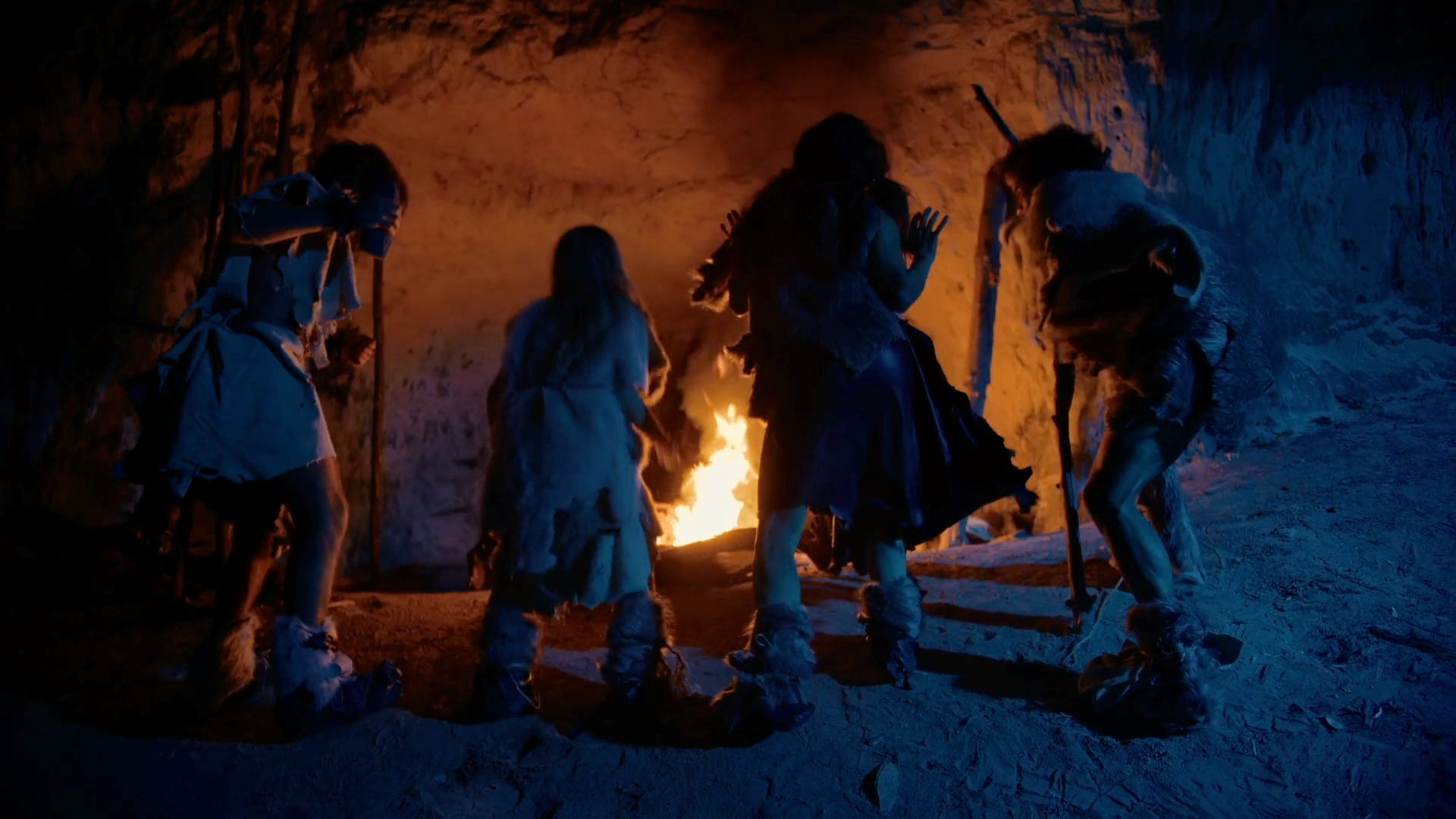
In this period, humans began to adapt using what paleoanthropologists call “behavioral modernity,” a suite of complex cognitive and social behaviors unique in the natural world. Humans could think, anticipate, and plan ahead. Remarkably, they also began to express themselves in symbolic art, ornamentation, as well as music and dance. Large game hunting and social teamworking appear. Human “culture” emerges with advanced language, social learning, and social organization.[i]
[i] Korisettar, Ravi, and Petraglia, Michael D., edit., Early Human Behaviour in Global Context – The Rise and Diversity of the Lower Paleolithic Record, Routledge, 1998.
50-65,000 years BCE (2,000 generations ago) – from just a few…to “culture”…
Survival, however, was a wild and skin-of-our-teeth game.
The archaeological record is replete with what genetic biologists’ call “population bottlenecks.” As we saw in Part I, bottlenecks happen when a specie’s numbers decline sharply due to famine, disease, or genocide. Our human lineage suffered several bottlenecks – @900,000 years ago human numbers may have declined to as few as 1,000 to 100,000 individuals,[i] and then another @50-65,000 years ago, just before Homo sapien emerged out of Africa.[ii] By then, all of our competitors – the Neanderthals, Homo habilis, Erectus, Heidelbergensis, the Denisovans – had vanished, many at our violent hand, and some – like the Neanderthals – surviving in our own DNA.
Homo sapiens had outlasted nature’s overwhelming odds by commanding an indominable and fierce will to survive. Humans had acquired a virtually unconstrained “will” and “power” carried by a new, hyper-natural evolutionary force of nature, a new way, the way of social learning and knowledge.
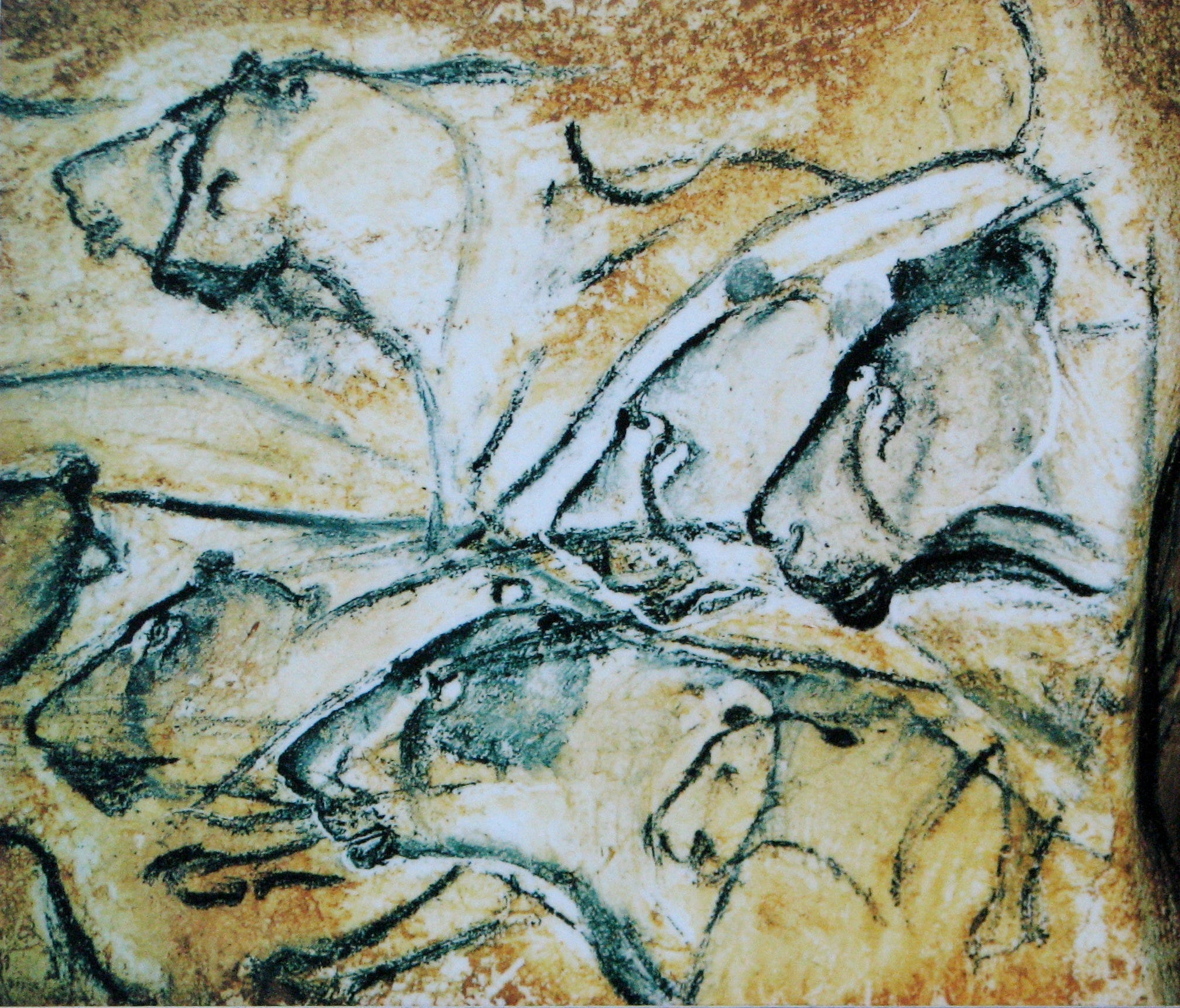
By the African breakout, “human culture” had fully emerged, long before formal “history” or “civilization.” Advanced thought, planning, and creativity – again, “behavioral modernity” – are evident in the fossil record. In 1994, spelunking archaeologists discovered France’s magnificent 30,000 year old Chauvet Cave paintings that rival the great modern artists. Cave paintings are turning up all over the world – the oldest an eerie red stenciled Neanderthal hand from Spain’s Maltravieso Cave 64,000 years old. [iii]
[i] Hu, Wangjie; et al. (31 August 2023). "Genomic inference of a severe human bottleneck during the Early to Middle Pleistocene transition". Science. 381 (6661): 979–984. doi:10.1126/science.abq7487. Archived from the original on 1 September 2023. Retrieved 2 September 2023.
[ii] Henn, Cavalli-Sforza, Feldman, “The Great Human Expansion,” Proceedings of the National Academy of Science (“PNAS”), 10-17-2012, https://www.pnas.org/doi/full/10.1073/pnas.1212380109 .
[iii] Ten Oldest Known Cave Paintings in the World, Hestie Barnard Gerber, thearchiologist.org, 12-18-2022,
“Sacred Value Orders”
Other, powerful motivations appear alongside intelligence and learning. Archaeology reveals how our ancestors were profoundly bonded to their social groups and to the Universe that surrounded them. In spite of their violent ways, they were “spiritual” beings. They lived under what we might call “sacred value orders.”
“Sacred” because we know how, through mythic stories and rituals, they revered and lived “in” and “of” the natural world – dependent on other animate life for resources. They celebrated the natural world, beneath the Sun, the Moon, the glistening night-sky. They bonded and banded together in blood and sacrosanct alliances. They honored their dead in sacred burial rituals.
“Value” because their lives were constantly directed by value-based survival decisions in the face of limited resources. “Value” had an obvious material or “economic” nature, but it also turned on their reverence for the natural world, as well as their “love” and “loyalty” for their clan and social alliances.
“Order” because we know that humans survived only by banding together for protection. Humans, in our most basic existential nature, all live in some order of “spiritual” cooperation – we can love one another, our family members, our clan. We bond in families, tribes and nations, we stick together. We live in the ever-present risk of harm or death to ourselves and our loved ones. “Spiritual” because we want our lives to carry some meaning or significance. We want to be connected to the vast and mysterious orders of life on Earth and the Universe.
“Sacred value orders” are the uniquely human quantum entanglements that inter- and over- and under-flow and emerge spontaneously in every aspect of the human story. In global civilization today, many live inside formal traditions we call “religions” – Judeo-Christian, Islamic, Hindu, Buddhist, Tao, Jain. These traditions transcend political orders. Then again, many moderns live spiritual lives outside formal traditions. Yet we all hold in our hearts and minds ultimate cares and concerns. We all make choices and decisions about the final value and meaning of our lives and the life of our communities. Those ultimate concerns and values lead to orders of family, society, even the greater global community.
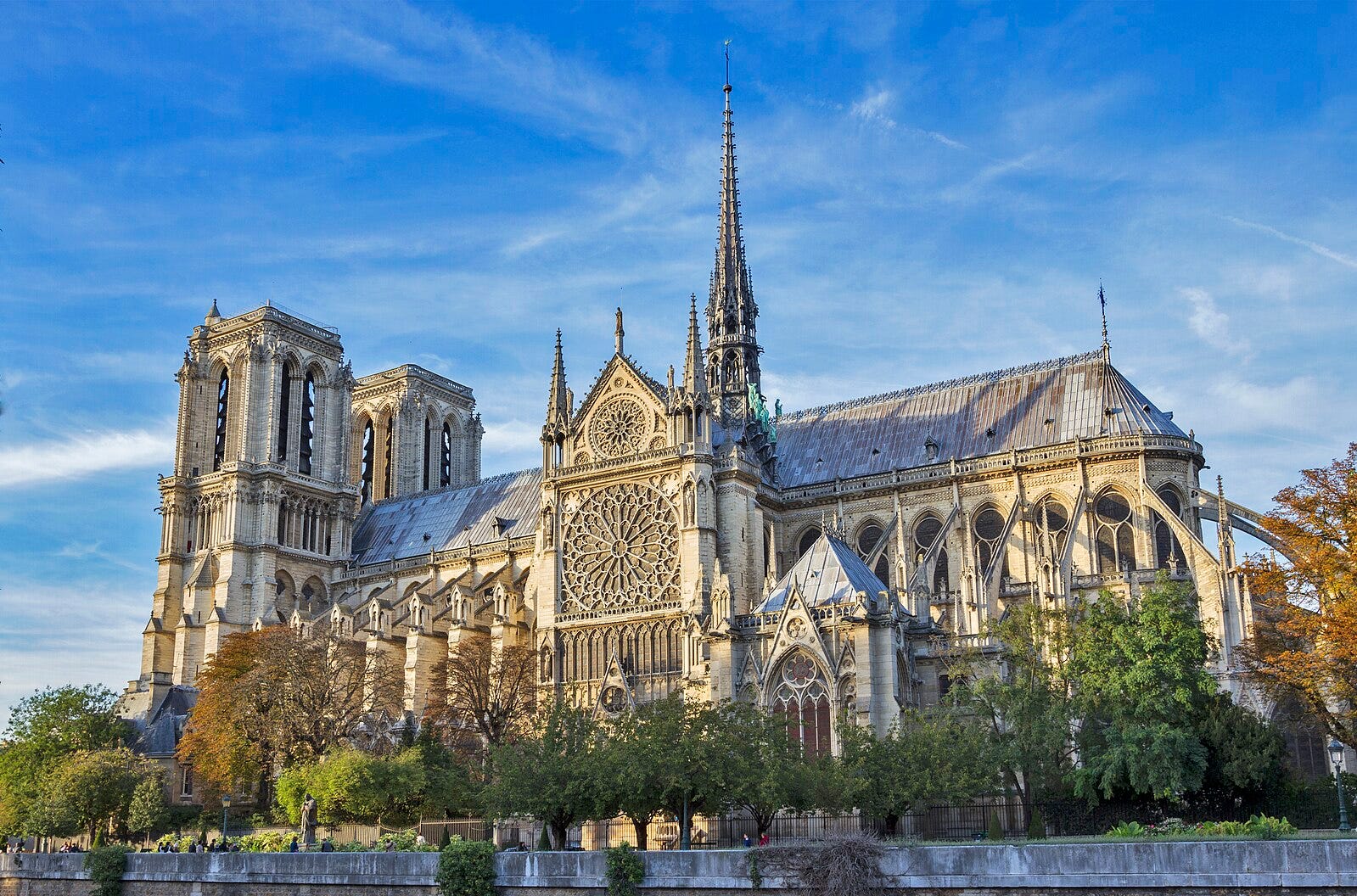
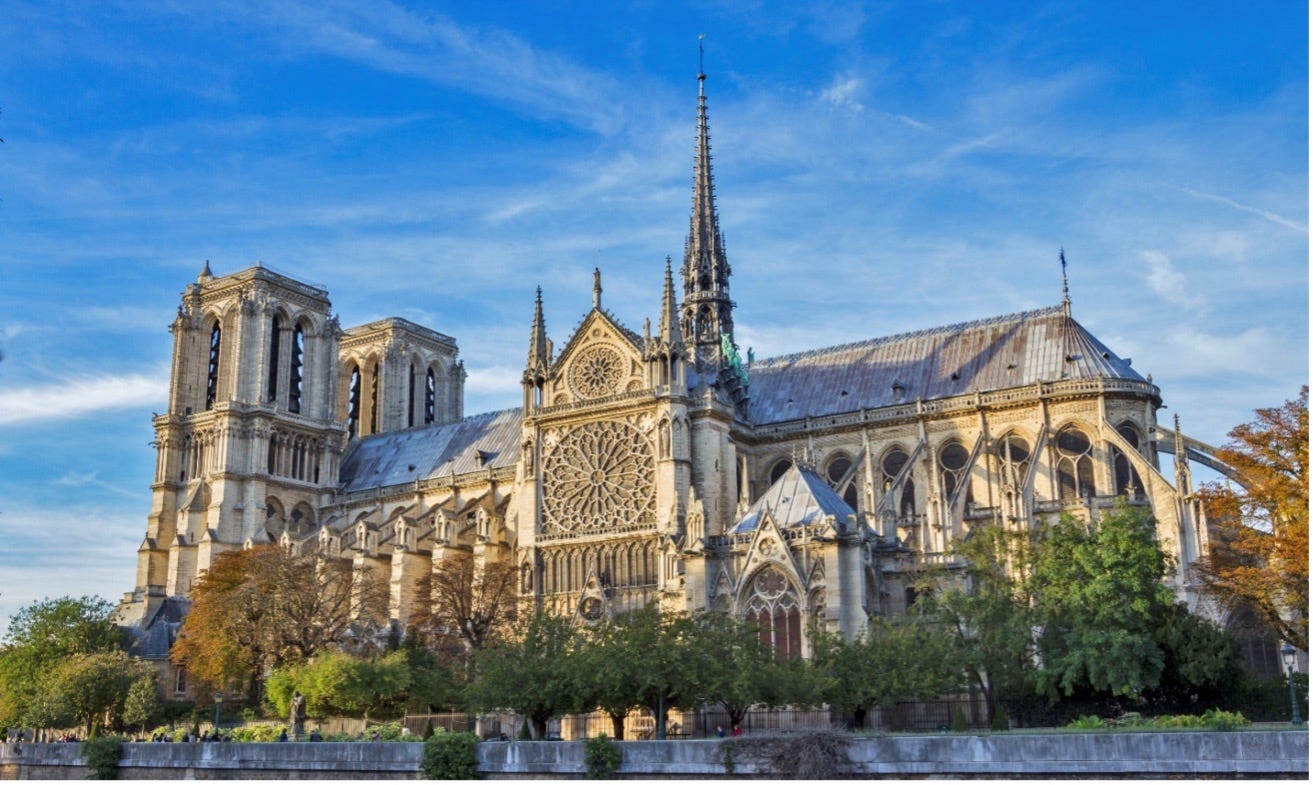
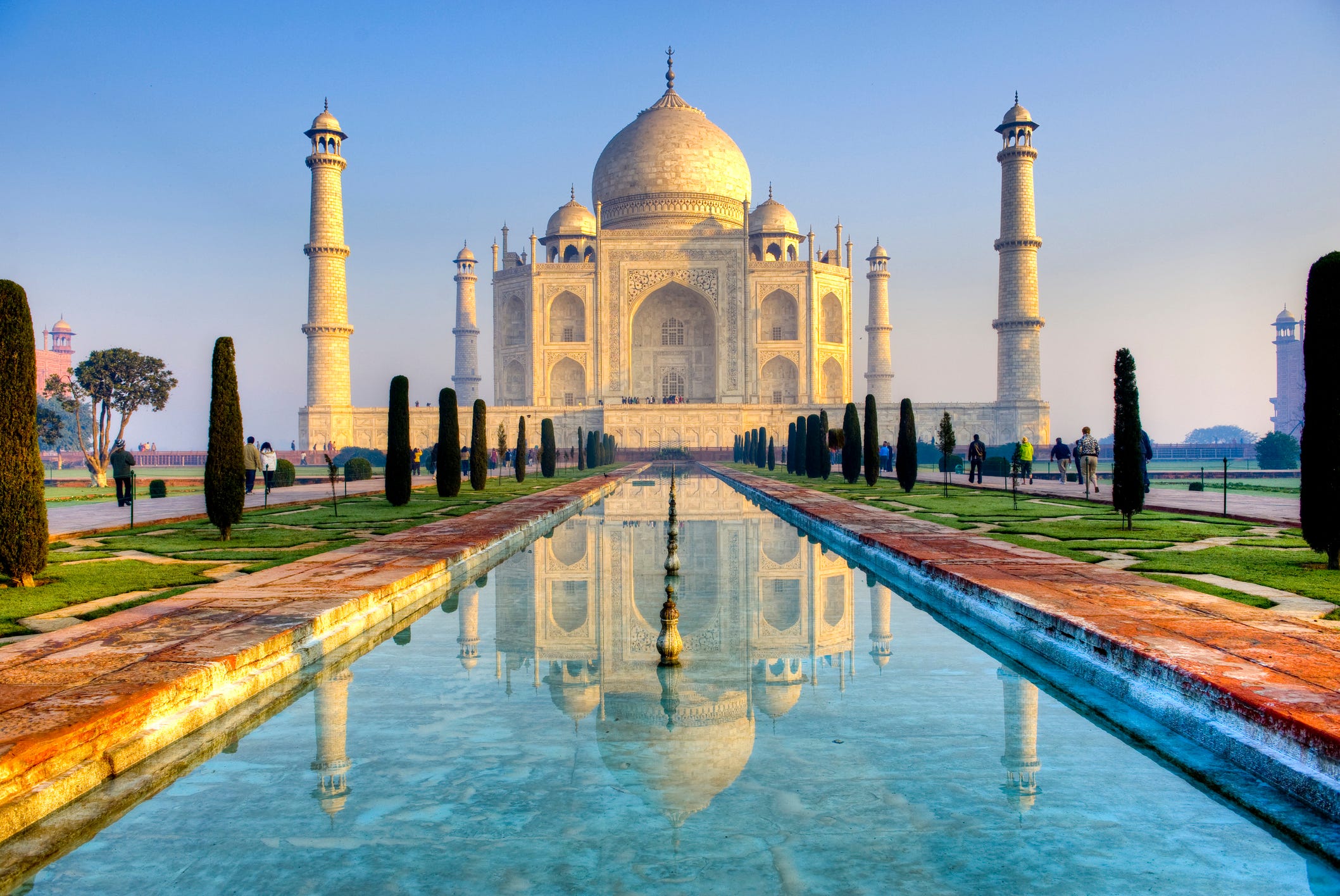
Sacred value orders are blood and guts real. People fight and die for them. Sacred value orders have evolved ingenious and powerful orders and instincts that empower amazing creativities but also terrifying destructiveness. Indeed, sacred value orders are stunning and beautiful – like Paris’ Notre Dame Cathedral or India’s Taj Mahal – yet they can be horrific and evil, like the Middle East’s “holy” war raging today.
Nonetheless, by the end of the paleolithic or “stone age,” human cultures were advancing a new version of evolution radically different from any creatures who had ever lived on Earth. We had begun to intentionally seize, direct, and expand the creative and destructive cycles of life. Today, we don’t merely adapt, we change the game – we fly without wings, we’ve landed on the Moon, we dive the oceans deeper than whales, we’re toying with the very DNA of life, our modern agriculture has not only saved us from famine but exploded our numbers, and our space telescopes see into the belly of creation itself.
10,000 BCE (400 generations ago)… from hunters... to farmers… to “Civilization”…
By 10,000 BCE or 400 generations ago, paleoclimatologists tell us that the Earth’s climate shifted into the present “inter-glacial optimum.” Life got warmer. Easier. Less ice. More to eat. Optimums are 10-15,000 year pauses between ice ages. In North America the 10,000 foot deep Laurentide Ice Sheet retreated after carving out the Great Lakes. (see Wild Ecology)
Human populations began to diversify into “…far-flung networks of societies, spanning diverse ecologies, with people, plants, animals, drugs, objects of value, songs and ideas moving between them in endlessly intricate ways.” Early population concentrations were likely not permanent cities but were more likely special sites where nomadic or semi-nomadic peoples gathered at propitious seasonal moments in less formal
“…confederacies [and where]…some kind of formal organization was put in charge of the care and maintenance of sacred places.”
Settling… centralization… scale… and “CIVILIZATION”…
Human cultures began to hunt less and instead husband goats and pigs. They started to grow rather than just gather wild grains. Early agriculture emerges from roughly 12,000 to 5,000 BCE. Earth’s great river valleys – Mesopotamia’s Tigris-Euphrates, Egypt’s Nile, China’s Yellow, and India’s Ganges and Indus – were settled first.
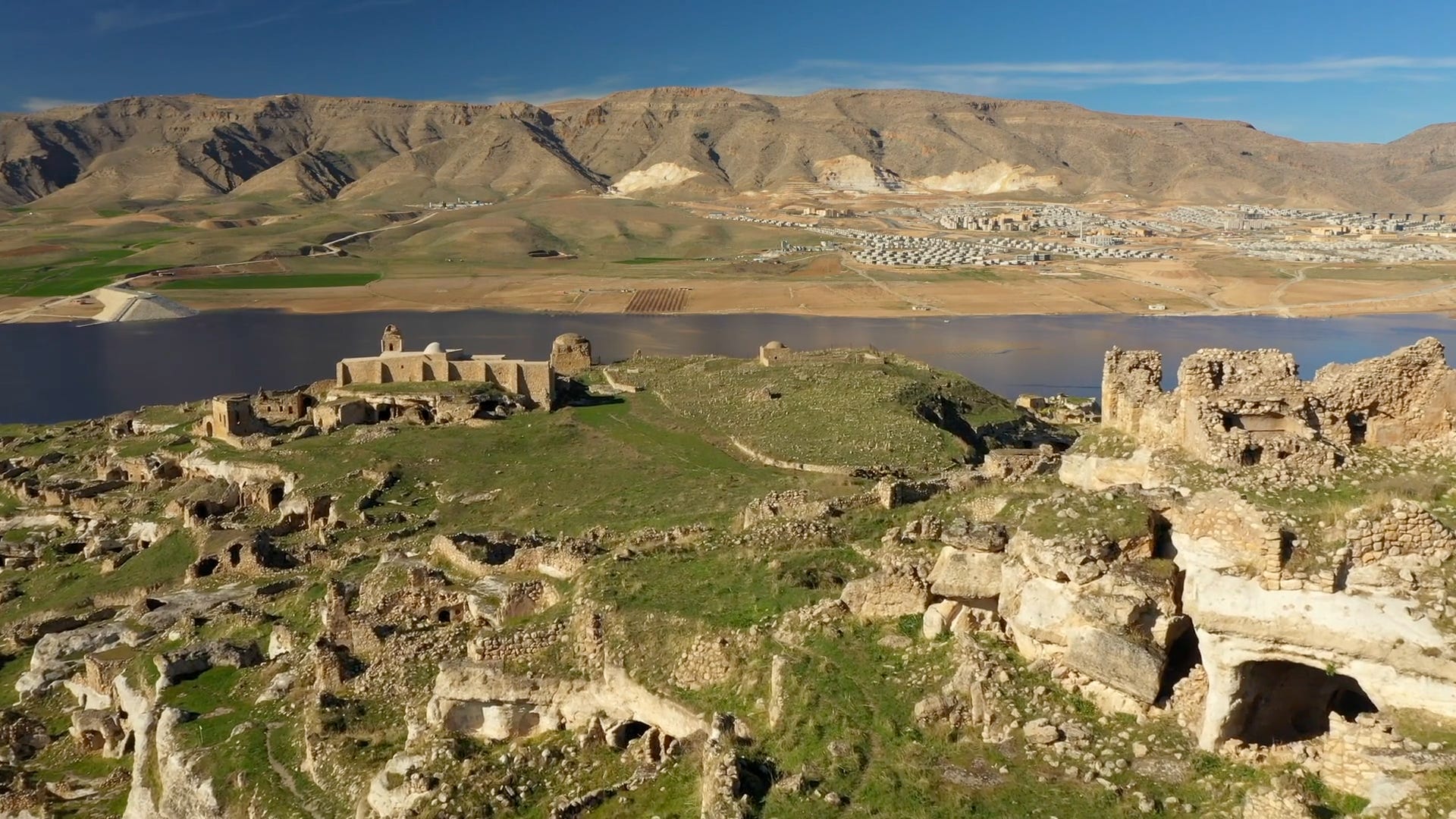
More people living in larger demographic arrangements transformed the human order. “Settling” would change human culture and, really, human nature. Urban social orders supported by centralized agriculture simply favors different human behaviors and personality types than those favored by hunters or gatherers in the field.
Centralized, settled societies required greater social cooperation and organization. Specialized labor and markets appear. These new synergies favored people with better planning and organizational skills to manage centralized resources and govern populations.
Modern historians like David Wootton refer to this transformation as the beginning of “civilization” and human “history:”
“…the most important transformation in human history before the invention of science…took place comparatively recently, between 12,000 and 7,000 years ago…animals were domesticated, agriculture began, and stone tools began to be replaced by metal ones. There have been roughly 600 generations since human beings first ceased to be hunter-gatherers…humans who have left written records behind them as opposed to humans who have left only artifacts behind them, has existed only for about…300 generations. Add the word “great” in front of ‘grandparent’ 300 times: it will fill just over half a page of print. This is the true length of human history…”
David Wootton, The Invention of Science, 2016
What’s hard to see in Wootton’s observation is the ominous explosion of civilization’s “velocity” and “scale” of change. We hadn’t just learned a bunch of data – we had learned how to learn.
With the synergies of agriculture and centralized planning, human civilization launches an entirely new and accelerated version of evolution. Compared to “natural,” genetic based evolution, the human version can change things in just a few short generations. Or, as with modern inventions, like the smartphone or atomic bomb, overnight. “Hyper-evolution” was is on! If human emergence has tracked for say, 250,000 years, then Wootton’s 7,500 years of “history” comprises about 3% of that run – roughly the last 45 minutes of a 24 hour day. So from the Ag-revolution forward, the scale and speed of “civilization” accelerate – from scattered bands of competing hunter-gathers…to Homo sapien alone…from hundreds of thousands to eight billion…from Earth walking-running creatures to sky-flying and ocean-diving and Moon-walking/bouncing creatures.
Urban population orders created new possibilities but also wild new risks – famine, pollution, and systemic disease. Satellite archaeology is uncovering in the deeply forested America’s entire civilizations that apparently rose to marvelous complexity and size, and then simply vanished.
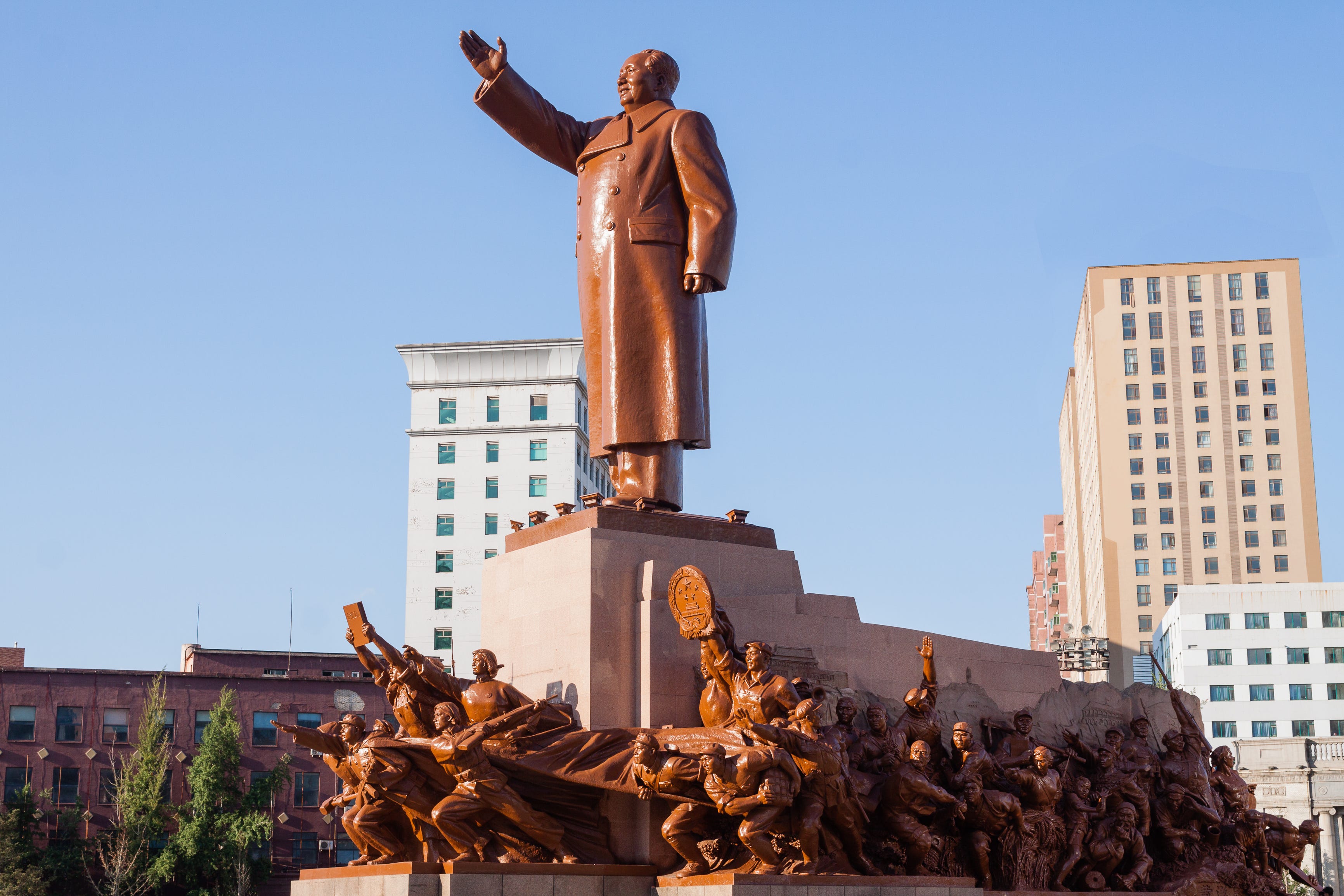
The recent 1959-61 Great Chinese Famine, that took 20-50 million, was triggered by climate, poor farm practices, and Chairman Mao’s “Great Leap Forward.”
Consider how, by the end of the 1800’s, “modern” New York City, with 3.5 million people needing transportation, was also populated – and polluted – by @170,000 horses. Manure dust clouds caused respiratory disease in the summer, while rainy season “rivers of horse manure” would seep into basements, attracting disease carrying rats and insects.[i] But then, as if out of nowhere, wild inventor-innovator-entrepreneurs like Henry Ford came along with…the Model T! Horses and manure vanished in a generation.
[i] “New York, manure and stairs: when horses were the cities’ nightmares,” Smart Water Magazine, 6-19-2019, https://smartwatermagazine.com/blogs/agueda-garcia-de-durango/new-york-manure-and-stairs-when-horses-were-cities-nightmares
Think of civilizational-scale disease. Covid-19 killed 10-20 million out of 8 billion.[i] The Plagues of Justinian (541-549 CE) or the Black Death (1346-1353 CE) – routinely killed 30-50% of populations.
In spite of these risks, complex “cultures” evolve into increasingly larger, more systematized, stratified and scaled social arrangements or what we call “civilizations.” Urbanization brings smart and creative people together synergistically but they also grow dependent on supply chains for daily resources. (see Wild Economy). More powerful and concentrated civilizations give rise to fierce competition for resources and wars are not uncommon. More powerful governance hierarchies are required to manage both external enemy threats and to manage internal resource demands. Elite ruling classes develop. Civilizations differentiate from cultures by establishing permanent “institutions” of governance.
The “sacred value orders” also evolve into more formalized and sovereign “religious institutions” that support more complex social orders, but at the extreme deploy human slavery, profound class discrimination, and even morbid human sacrifice and unimaginable atrocities.
[i] National Library of Medicine, 4-15-2022; https://www.ncbi.nlm.nih.gov/pmc/articles/PMC8912932/
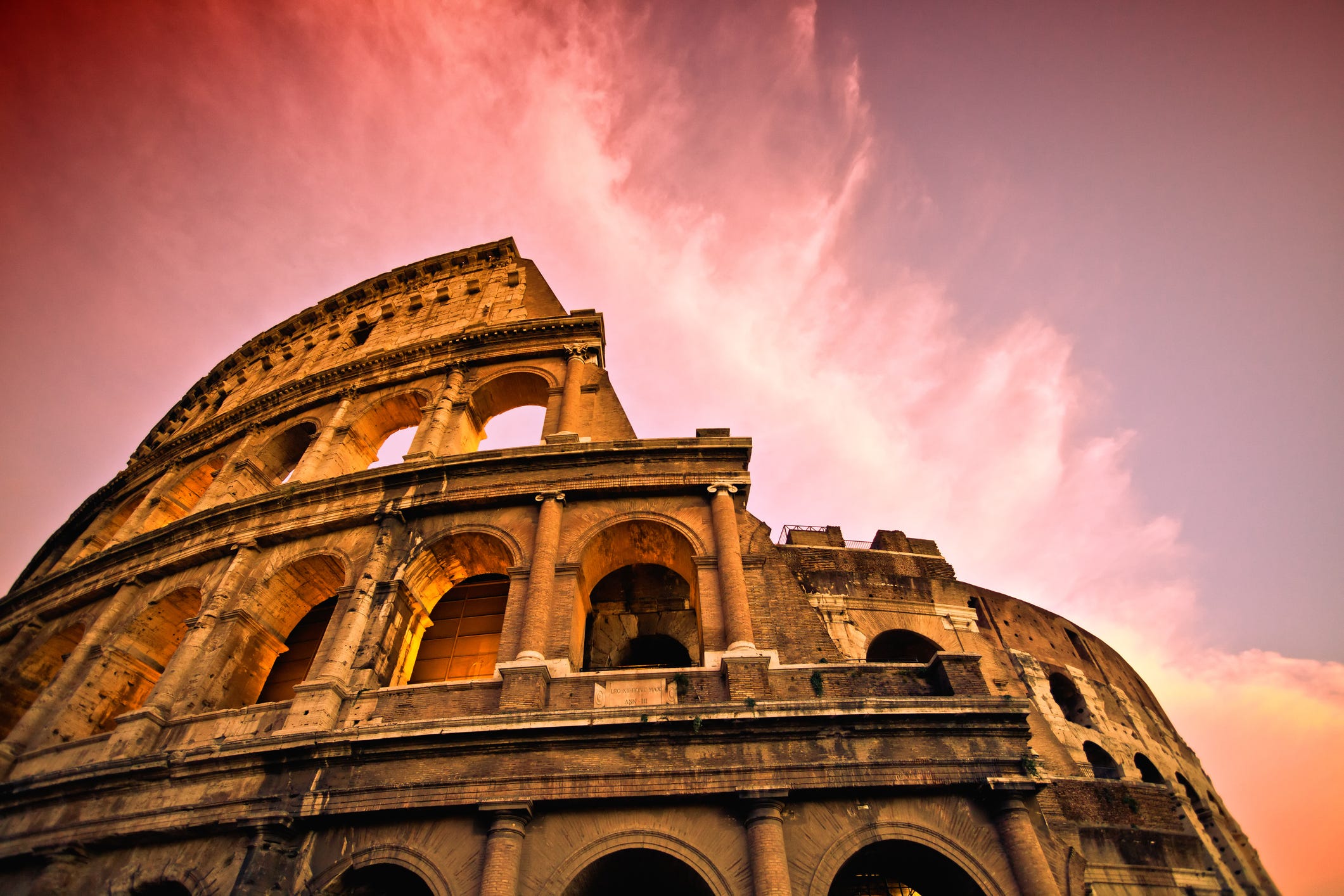
Moving through the centuries and millennia, these new “civilized” orders capture near absolute control over populations. Incredibly, Rome develops modern, sophisticated legal systems while at the same time tyrannizing Mediterranean peoples. At the extreme, rulers like Caligula declare themselves “god” and Rome’s elite entertain themselves with the Colosseum’s horrors. In the Americas, “religious” child sacrifice is not uncommon.[i]
But then, at the end of the Iron Age radically new, revolutionary, “sacred value” leaders appear in the lives of Buddha and Jesus. They announce the possibility of new social and spiritual orders which favor individual agency, human freedom, and a “divine presence” available to everyone, values we take for granted, today. Their announcements presage a turn, a new horizon of possibility for human civilization.
QUICK SUMMARY: Civilization is a double-edged sword – like Roman law and Roman torture and crucifixion. “Civilization” rings of civility, order, complexity, creativity and beauty, like Notre Dame or the Taj, yet its brilliance can foreshadow a wildly unconstrained path of destruction and evil, like the 20th century’s Holocaust. Civilization is about “scale” – immense populations, accelerating velocities of change, in fact, a radically different, “hyper-natural” evolutionary momentum. It’s gaining speed and complexity as it races ahead of our common sense, our conscience, and our ability to adapt. It’s wild. And, we think, getting wilder.
[i] Carrasco, David, City of Sacrifice – The Aztec Empire and the role of Violence in Civilization, Boston, Beacon Press, 1999.
The Great Divergence… 1800-1990 (10 generations)… from Ag to A.I. …
Fast forward to the “Common Era,” roughly 500-1500 CE. Agriculture was still predominant.
Under the agricultural model, economic and political power were based on people farming and producing crops. Throughout the Middle Ages, half the global population lived in China and India and produced half the world’s economic output. Europe produced less than 10%. Most people (90%) lived agrarian, usually subsistence, lifestyles. Prosperity came and went with poor weather or crop yields. Famine was not uncommon.
After the fall of Rome in the 4th century CE, however, and partly due to its climate and geography, over the next 1000 years, Europeans would devise and develop new technologies – wind and water-power, advanced metallurgy, gunpowder and weaponry; agricultural methods like crop rotation, selective breeding, improved plough designs; better transportation including road systems and wagons, they switched from oxen to horses, and could move goods over water with more reliable “round” ships. By the 13th-15th centuries, productivity had increased and new “markets” appear. The 14th century’s Black Death decimated labor markets but it hastened the decline of the stultified feudal system. Europe was poised. (see Wild Economy I & II)
Things got really wild when Copernicus, Galileo, Da Vinci, or rectors and priests like Sir Isaac Newton (modern physics), Rev. Thomas Malthus (population theory), Rev. Edmund Cartwright (inventor of the power loom), Rev. William Greenwell (invented modern archaeology)[i], or even a library janitor like James Croll (climate science) – all more or less independent, curious, “free agent investigators.” They would ignite the Scientific Revolution…Copernicus’ re-set our understanding of the universe and today Elon Musk’s SpaceX rockets are pointed at Mars!
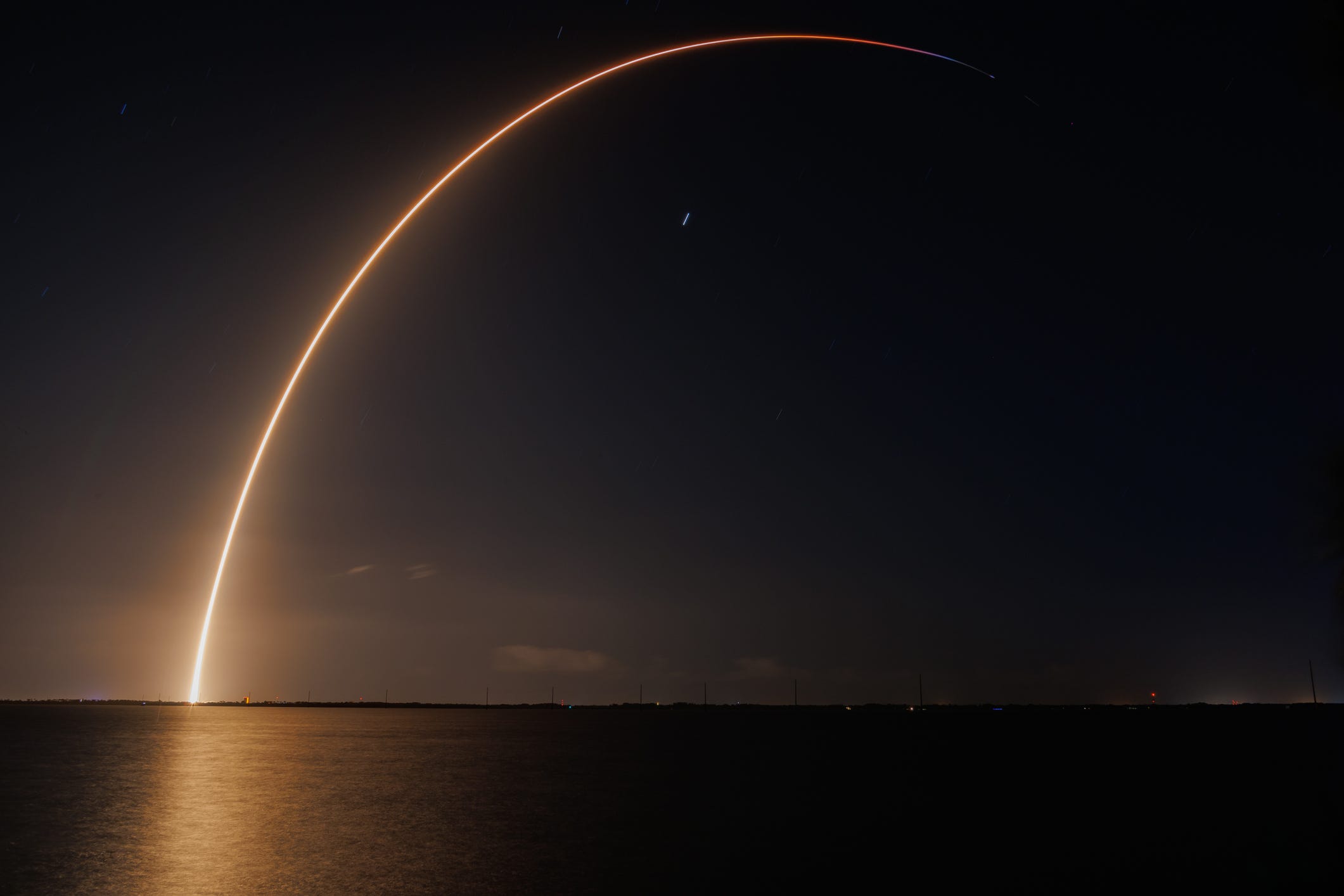
By the end of Middle Ages (@1500-1700 CE), Europeans were poised, over the next 200 years, or just 8-10 generations, to change the entire trajectory of global civilization.
The “Great Divergence” was on.
[i] Nassim Nicholas Taleb, Antifragile – Things that gain from disorder, New York: Random House, 2012, 227-229.
From roughly 1800 to 1990, the emerging science and technology based economy transformed civilizational order and dominance. By 1900, Europe, the U.S., and Japan were producing @50% of global economic product – China and India less than 20%. China and India’s output hadn’t declined – instead, the West’s production had exploded, exponentially.
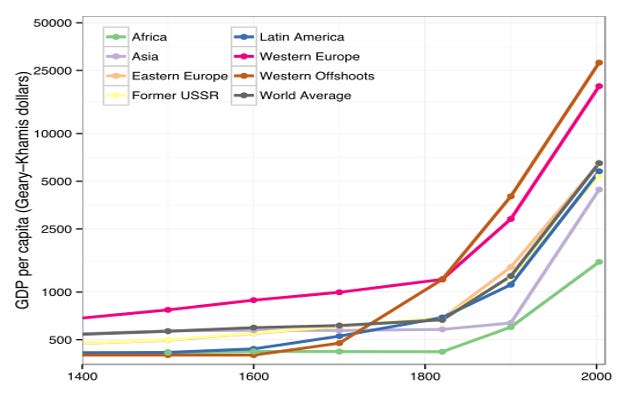
We’re still living the industrial “revolutions” that have transformed global civilization: Industry & Manufacturing (18th – 19th century), Technology (19th – 20th century), Digitization (late 20th), and now the 21st century’s A.I. Revolution.
And it’s all been powered by energy – first wind and waterpower, then coal and steam, to oil and natural gas, and now at the margins, alternatives. Energy doesn’t just generate electricity or move things and people. Modern fertilizers and pesticides, for good and bad, have sparked the “Green…or Third Agricultural Revolution” that has at least for now eliminated systemic famine and grown global populations to 8 billion today.
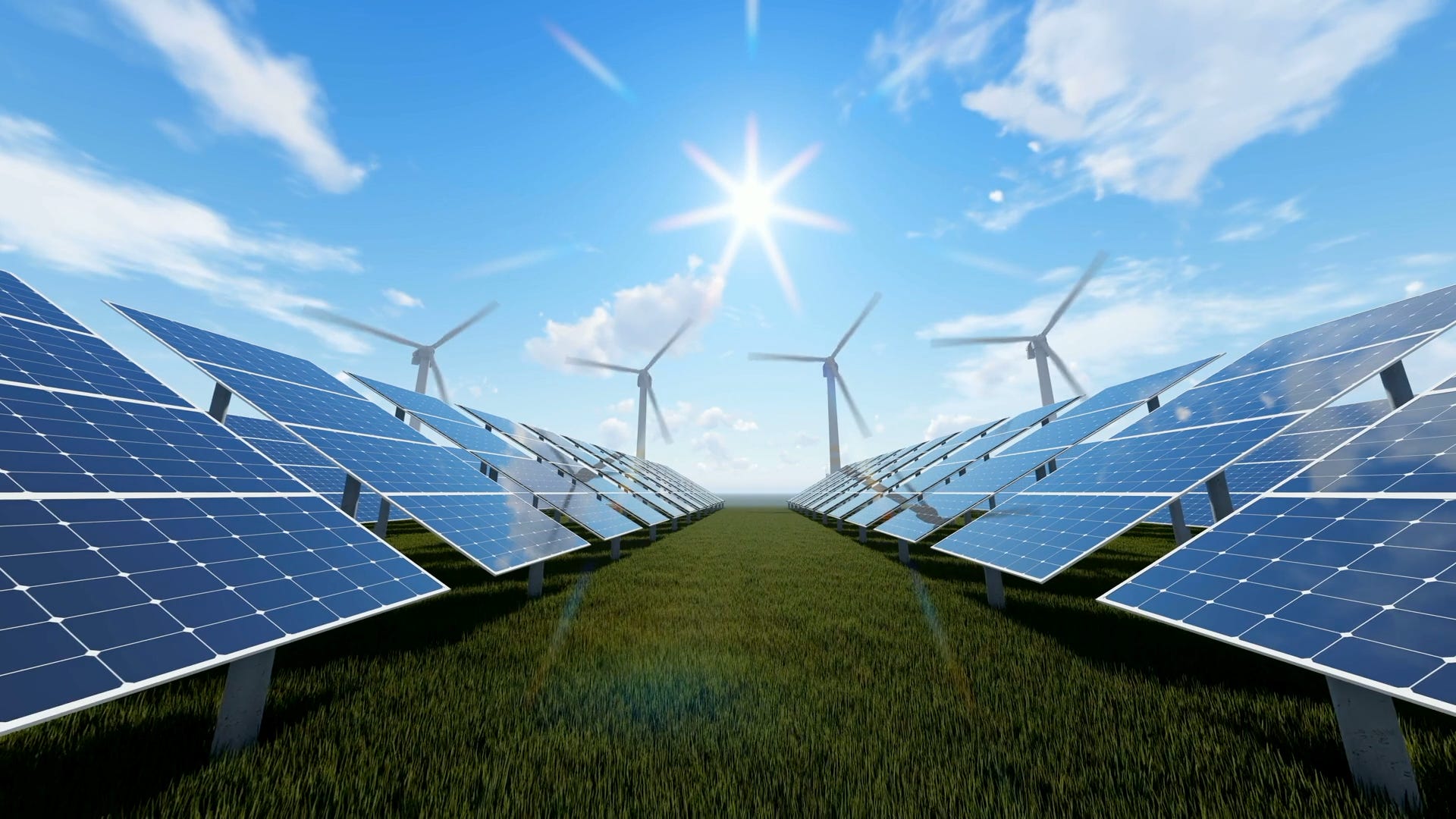
By the end of the 19th - 20th centuries, in just 8 generations, human civilization – and the planet itself – had been radically transformed. And disrupted. In the U.S., most everyone has moved off the farm – less than 5% farm today. And mobilized by industrialized agriculture, every week a million people are moving into cities worldwide.
So what are the takeaways here?
A minimal observation would notice that these technological and economic developments were gradual, incremental, and so more evolutionary than “world-beating” intentional. Europeans quietly scrapped and borrowed and improved existing techs – Chinese clocks, gunpowder, compasses, printing – and they also came up with some of their own, like the Viking round ship. Innovations started in modest workshops – like Gutenberg’s printing press or Newcomen’s and Watt’s steam engines – but then launched massive revolutions in knowledge and brute power. The Great Divergence snuck up on global civilization and then totally transformed its path. In America, when a boatload of Pilgrims landed on Plymouth Rock in 1620, did anyone foresee that in just 250 years – 10 generations – the continent would be utterly overrun, cities rising over the plains, its heartland partitioned into quarter-section farms and laced with steel railroads?
A maximal observation would notice that the West was first to advance modern technological civilization, but it often failed miserably to manage the awesome and essentially unconstrained powers these new techs and economies presented. We’ll never know how the ancient civilizations – the 5,000 year-old Chinese civilization – might have led, or misled, things differently. We do know that the scrappy, insolent Europeans, with their big canons and arrogant egos, moved into and over lands and markets and resources, routinely, often soullessly, overrunning native peoples and ecologies.
From these observations, however, can we conclude that the Europeans sat down and planned the whole thing? Their clever inventions and modern economics radically changed history. Yet these evolutionary changes devastated Europe’s peoples as well. Tens of millions would perish in its advance. Isn’t the takeaway here that Europeans didn’t direct it as much as it happened to them?
This “great divergence” of science, technology, and economy moved swiftly yet surreptitiously ahead of the human ethical response or rational control. It was evolutionary. No, the primary difference between humanity’s earlier atrocious attempts at “civilization” – on the one hand, great works of art and architecture, or Roman law, but on the other hand, back-shadowed by human slavery, child sacrifice, and genocide – no, the primary differentiator was that the Europeans had figured out how to “go bigger,” to leverage humanity’s unconstrained and hyper-natural powers and potential to industrial levels.
The takeaway here is that modern civilization is a new version of the wild – industrial-scaled, exponentially growing, J-curved faster…and getting wilder.
The Great Convergence… 1990 -2020 (1-2 generations)… Hyper-Globalization…
But then, it got even wilder. The European Miracle invited the rest of the world to its party.
Rogue, independent, problem-solving thinkers like the brilliant Brit, Alan Turing, working desperately to stave off the 1940’s Nazi advance, dreamed up computers and “information technology.”
In just 1-2 generations, folks had evolved computers from Turing’s “Automatic Computing Engine” (“ACE”) to the 1960’s “ARPANET” (Advanced Research Project Agency Network) and finally to the “worldwide web,” the Internet highway of information and knowledge open to the public and industry.
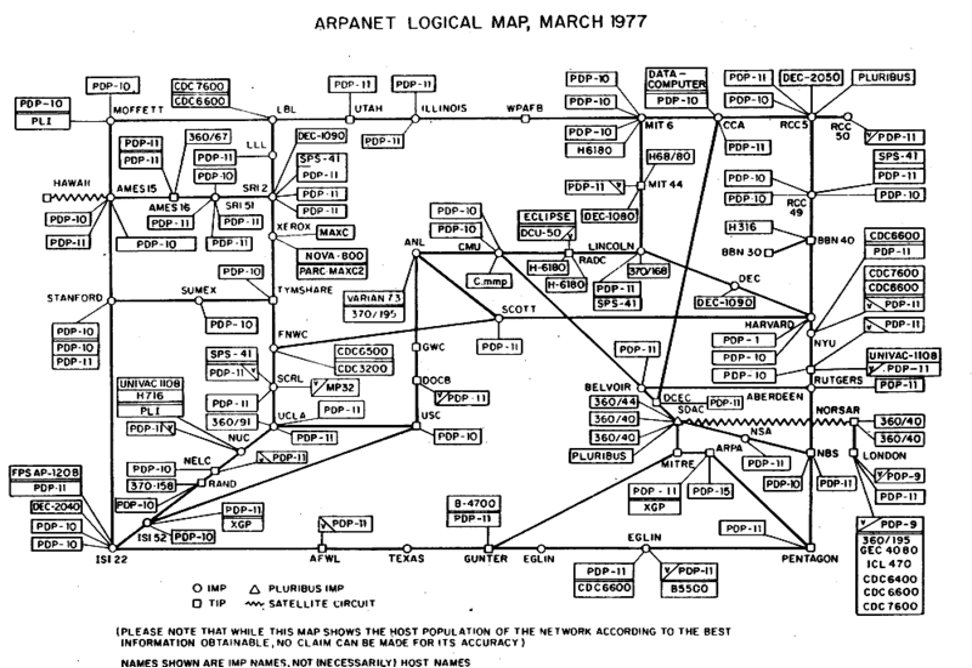
Yet even with all this technical evolution, few imagined the “Great Convergence” on the horizon.
By 2005, half of the developed world was connected. By 2021, 90% of the developed world and nearly 60% of the developing world was online.[i]
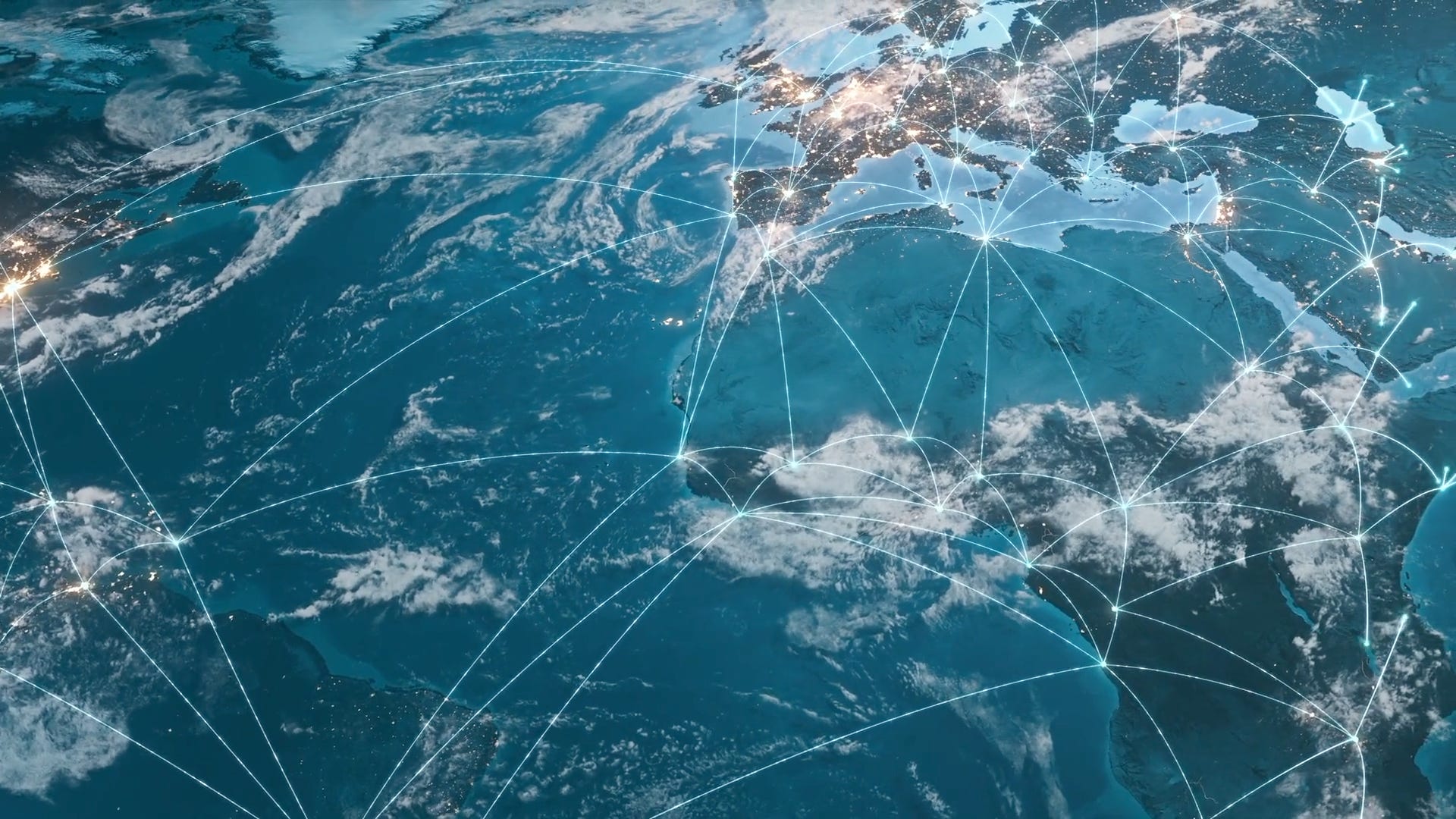
Modern economic historians, including Richard Baldwin, theorize that recent “modern” technological civilization has evolved in three phases :
Phase One: The “Great Divergence” (from 1800-1990) moved resources and products, first with steamships and railroads and then with massive container ships and finally aircraft, and all of it powered by plentiful energy;
Phase Two: The “Great Convergence” (1990-2020) is launched by the Internet moving ideas and information between Western-based designers-entrepreneurs and Asian-based manual labor and production resources – in just 1-2 generations Asia moves through the modernization cycle;
Phase Three: Internet connected robotics and artificial intelligence (“A.I.”) (2020-present) are now moving people virtually – doctors in New York are performing robotically-aided surgeries remotely in…anywhere in the world. Richard Baldwin
The Great Divergence appears surreptitiously with a billion people on the planet, most working farms. The Great Convergence brings things back together. By the end of all the gains and losses 8 billion of us are living longer and with more to eat, than ever. Folks from 1800 wouldn’t recognize us today.
It’s wild.
[i] "Measuring digital development: Facts and figures 2021". Telecommunication Development Bureau, International Telecommunication Union (ITU). Retrieved 16 November 2022
Summing Up: The Knowledge (…Wisdom…?”) Species
From hunter-gatherers, to “culture,” to “scaled” and “institutionalized” “civilization,” and in just 200-600 generations – a blink of the eye on most evolutionary maps. We “hyper-natural” humans are quick and smart. We are the “learning and knowledge creatures.”
Still, can we keep up with it all? We’re racing, racing, faster, but where, how? Is this angst in the pit of our stomachs telling us something?
We stick together, we’re social because, that way, we’ve always had a better shot at surviving. We can love and care for one each other, or not! History reminds us that the “not” is always there, lurking. Our desire to know and live is constrained only by some “divine reality” or our own will, or not!
So are we then just the knowing species? Or can we be something more. Perhaps the “wisdom” species?
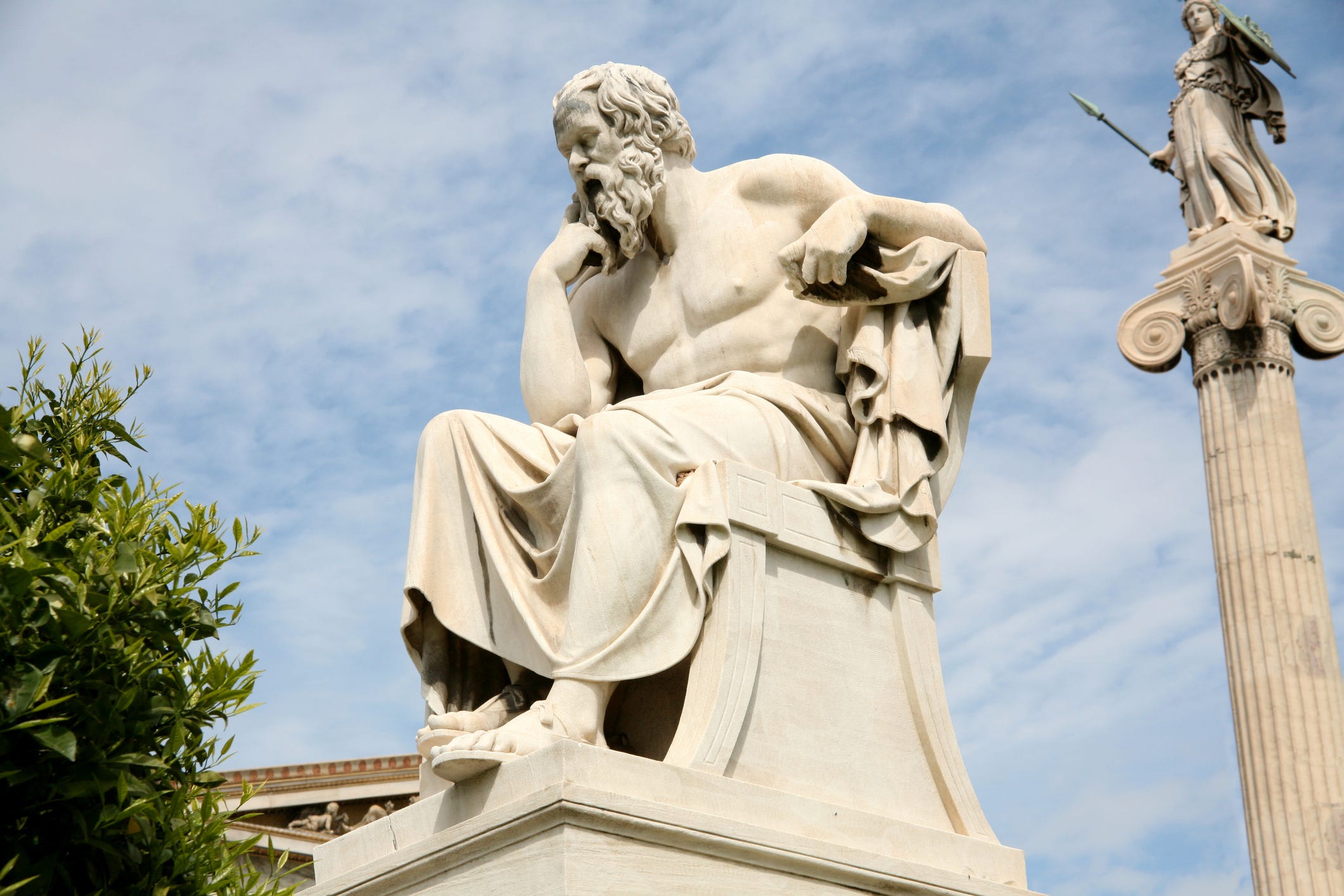
Wild humanity, all this wild talk and thinking and imagery, really boils down to whether we can be not just smart but also wise. Information is not knowledge. Knowledge is not wisdom.
We’ve hit upon the core theme of our Wild Globalization Project – knowledge, wisdom, and the wild future ahead. Stay tuned for coming attractions – Wild Economy, Wild Governance, Wild Wealth.
Stay safe – it’s wild out there!