


Welcome back
Welcome back to the Wild Globalization Project!
We’re in the middle of three talks about “money,” today’s focus, “capital,” and finally “finance.”
“Capital” & “Capitalism” – What are they?
“Capital…capitalism…capitalists…” now carry the baton of the modern global economy since the 1989 breakup of the Soviet “communist” experiment and then China’s 1990s move into the global “market” economy led by the pragmatic Deng Xiaoping. Recall that Deng had walked with Mao on the 1930’s Long March, yet survived Mao’s catastrophic Cultural Revolution and Great Leap to lead the Chinese “Communist” Party (“CCP”) and a billion people into the global, open market system.
So, if a card-carrying “communist” could be a “capitalist,” do we really understand “capital or capitalism?” What is it, anyway? How will we know “it” when we see it?
Do not the figure of Deng, and the “branding” of “capital…capitalists,” raise the more interesting questions, “What is ‘value?’ ” and “How do humans create it?”
To remind, as we tracked in our Wild Virtuous Knowledge Value talk, Karl Marx’s magnum opus, Das Kapital, attempted to root out 19th century industry with his accounts of “monopoly capital,” “means of production,” or his “labor theory of value.” Marx’s and Engels’ vivid accounts of early heavy industry exposed brutal injustices, especially child labor – kids working 12-hour factory days or descending into coal mines because their smaller bodies fit through the tunnels and passageways. Yet Kapital’s core economic theory remained mystified by this problem of “value”:
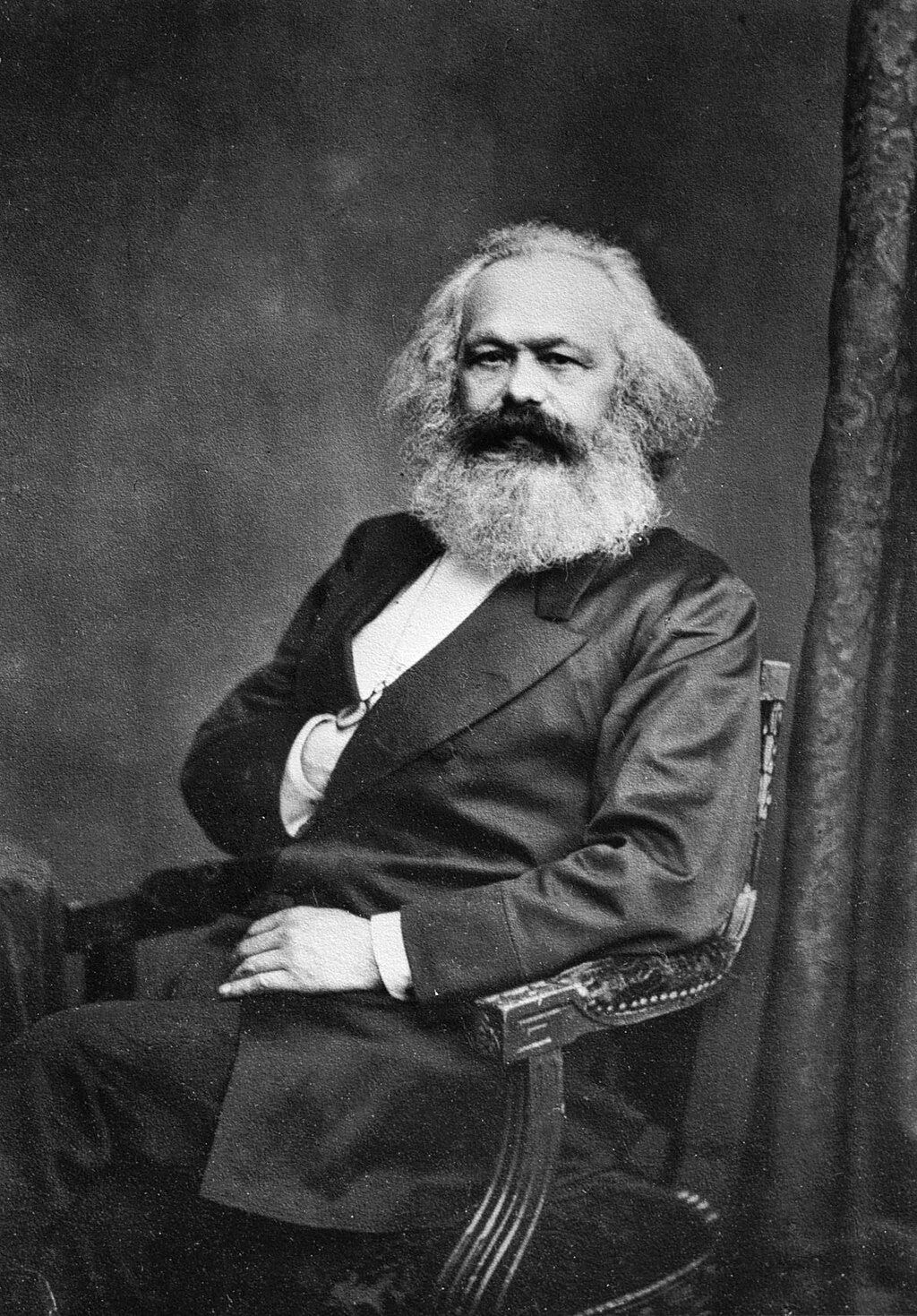
“…the task is set before us, the task of tracing the genesis of this money form, of developing the expression of value implied in the value relation of commodities, from its simplest, almost imperceptible outline…[‘use,’…‘commodity,’…‘relative,’…‘exchange’ value]…to the dazzling money form…the whole mystery of the form of values lies hidden even in the most elementary form, and its analysis is our fundamental difficulty.”
Karl Marx, Capital: A Critique of the Political Economy, trans. From the 4th German edition by Eden Paul and Cedar Paul, 2 vols., New York: E.P. Dutton, 1930), p. 18; quoted by Jean-Joseph Goux, Symbolic Economies - After Marx and Freud, trans. Jennifer Curtiss Gage, Ithaca, N.Y.: Cornell U. Press, 1990, p. 32, 55.
Likewise, this question of “value” raises its head when economies experience crises like the 2008-2009 Great Financial Crisis. Economic historian Harold James perceives value as the fundamental challenge of globalizing civilization:
“…globalization has today become a ubiquitous way of understanding the world, but people fail to understand its volatility and instability. Globalization involves the international movements of goods, people, and capital, but also…ideas and technology, which affect and restructure our preferences. In consequence, globalization generates continuous uncertainty about values, both in a monetary and a more fundamental (nonmonetary) sense. It is much more than an economic phenomenon. Globalization is vulnerable to periodic financial catastrophes, which involve very sudden alterations of concepts of value…our values themselves are reevaluated during such crises. During a crisis, unexpected and apparently random linkages become apparent. People begin to see in what complex ways the world has become interconnected.”
Harold James, The Creation and Destruction of Value – The Globalization Cycle, Harvard University Press, 2009, p. 7-9.
James’ “unexpected…random…complex linkages” are tracking this “quantumly entangled” and wildly globalized 21st century human condition.
Wild Globalization, however, wonders if human evolution hasn’t always been about the flourishings, and then apparent “collapses,” of intelligence or knowledge value as it bobs and weaves and expands through history. If, in fact, this “capital” thing is really about three evolutionary “playing fields” of human value creation that have led us from “there” – whatever humans were doing before we “settled into ‘cities’…into ‘civitas’…into what we would today call our modern condition – to “civilization”?
Wild Capital’s Playing Fields – Resources, Work, and Smarts
Conventional capitalist economics tracks two sources of value creation, introduced here by Louis-Vincent Gave:
“Capitalism finds its growth in two very strong forces:
1. Growth can come from a rational organization of talents. [e.g., David Ricado, Marx-Engels]
2.Growth can come from inventions put in place by entrepreneurs. [e.g., Joseph Schumpeter]”
Louis-Vincent Gave, The GaveKal Team, A Roadmap for Troubling Times, GaveKal, 2008, 63-64
Standard economics attributes capitalism’s creativity to, on the one hand, the “rational organization of talent…work” – this is Marx’s or Locke’s “labor theory of value.” And, on the other hand, capitalism creates value with clever new technologies – Schumpeter’s incessantly creative yet disruptive innovation.
However, in both cases it’s the “smarts,” the intelligence to organize productive work, and the intelligence to invent new gadgets and tools that drive human value creation. Isn’t that what’s going on with capitalism’s new “information age,” and now “AI,” or really over the entire course of human advancement?
“Capitalism” performs its magic on the playgrounds of intelligence. It’s just that we’ve moved out of our original jungle neighborhoods into shiny new steel and concrete and now “internetted” global jungles. All along, though, for maybe 250,000 years, we’ve been gradually reinventing the jungles. Today we call it the “global internet of people, information, markets, etc.”
We’re making a “smart play” here for a more common-sense re-vision of how we think about “capital and capitalism.” It’s up the same alley of history as Joel Mokyr’s claim about technology, that “The only way to think about technology…[or “capitalism,” or “human value creation”]…is in evolutionary terms.”[1]
We can start with how humans first discover and manage raw natural resources – light from fires, to olive then whale oil, then light bulbs, then LEDs.


Second, capital value creation is about how humans organize and manage their time to gather the wood, or grow the olives, or hunt the whales, invent light bulbs, LEDs, EVs, and now how AI is doing that for us!
Third, we could say “innovation,” but again, innovation is already present in smart resource and work management. So it’s really about the practical application of intelligence. Driven at times by violent desperation – surviving the night’s darkness with a grizzly or sabertooth tiger threatening our families. But at other times, humans have become the grizzly or tiger; for example the unrestrained, cold, and malign ambition or hubris that took out the sixty million magnificent bison to open the Great American Plains for farms and ranches.
[1] Kling, Arnold, & Schulz, Nick, From Poverty to Prosperity, Intangible assets, hidden liabilities, and the lasting triumph over scarcity, New York: Encounter Books, 2009, p. 115.
Humans survived, and now we thrive and dominate, with our over-sized brains, our curiosity, our willingness to experiment and adjust, our ability to teach our children, and so our unique abilities to accumulate and grow and apply knowledge. Knowledge-power and will-power, we’re suggesting, are the unique abilities that create, and also disrupt and even destroy, both human and nature’s “values.”
Warning! Capital Value Plays and Hides and Tricks Us
Resources, work, and smarts work and play – and hide(!) – in the quantum entanglement of ecologies, demographics, technologies, economies, governance, and wealth. Their amazing productions distract and play us! From raw stones, to iron and bronze, then oil and gas, steel, aluminum, plastics, then electronics, all crafted and transformed by human intelligence into spears and arrows and atlatls, automobiles, rockets, smartphones, and now “intelligence machines.” The entire exponentially “scaled” techno-industrial scene bedazzles and distracts us from the core knowledge and will power plays that create and catalyze it all.
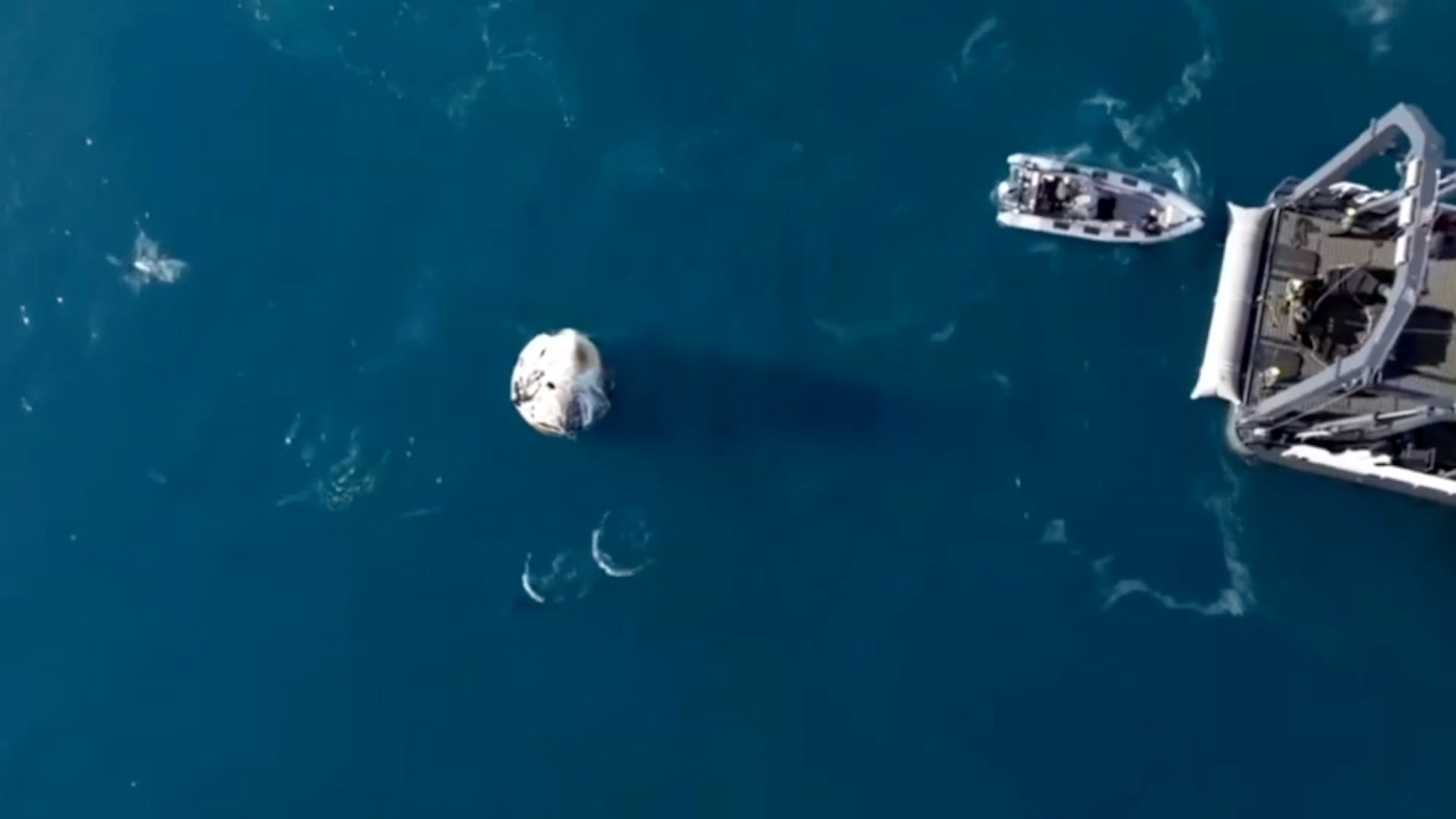
Perhaps that’s because resources, labor, and gadgets are touchable, sexy, jaw-dropping, like Apollo landing on the Moon, or the dolphins swimming around the Dragon capsule as Crew 9 was recovered. They’re the sexy smartphones we hold and obsess over, our lightning-fast EVs, or big-ass, automated factories that produce all our “stuff…and more and more stuff…!”
We’ve totally forgotten and take for granted how our “fire skills,” acquired a million years ago, created value by protecting our families from those grizzlies or tigers, or how fire warmed us through 100,000-year ice ages. Fire skills that have now “scaled” into the billions of internal combustion engines (“ICEs”) and electric motors hidden away in our automobiles, all produced by some form of fire we’ve harnessed – fossil-fueled fire or wind and solar power created by the Sun’s fire.
We wander in awe through the Louvre, or Notre Dame or the Taj Mahal – we gaze at the Mona Lisa’s tangible smile, or stand beneath “flying stone buttresses,” or the Taj’s pure marble inlays and architectural elegances. Yet the intelligent ingenuity that painted or built them hides beneath their surfaces. What secret is Mona Lisa’s smile hiding? Is it Da Vinci’s genius, his intelligence? And what’s the “capital value” of the Mona Lisa today?
Beware! Intelligence conceals itself in its creations! Yet it’s the capital-creating driver of resources, labor organization, and innovation.
Resource Capital Value – from Stones and Bones to Microchips and Junk Food
In our Wild Economy talks we tracked Nobel economist Thomas Sowell’s observation that “the cave people had the same natural resources we have today…and the difference between their lifestyles and ours is the knowledge we can bring to bear on those resources….”[2]
“Capital” can initially be understood as the value created from the discovery, exploitation, and then excess production of all the “stuff” humans create from given resources – from our earliest ancestors’ food stores, clothing, shelter, or spears and arrows, often stashed “in reserve” under cairns along the migratory trail…TO (!)...gas stations and propane tanks, to grocery stores and refrigerators and wine cellars, to jerky and junk food, to Imelda Marcos’ 3,000 vanity shoe collection, or third homes in Aspen or fourths in the Hamptons, to enough stockpiled nuclear weapons to annihilate humanity and most of nature many times over!
Humans learned – we had to – how to manage the physical resources we found in the “Garden” of nature. But then, energized by our free and unrestrained imaginations, we changed the game from bare-ass survival to thriving and directing and now seemingly dominating creation itself. We started by managing raw values hidden in nature’s physical resources – homes from stones and forest woodlands, clothes from the critter’s hides we hunted and ate, to fossil fuel resources, then energies from the winds and sun and atom, to the insanely powerful smartphone in your hand. We expanded those raw values through experiment, test and failure. We kept what worked, got rid of the stuff that didn’t, and replaced the “obsolete” stuff.
Capital value creation has always been about our native human hubris to take and use what’s given and build it out. Indeed, we are freaks of nature, endowed with vulnerable physical bodies that are no match for the grizzly or tiger. In principle, we weren’t a good bet to survive. As we saw in Wild Sex-Demographics-Culture, those wild demographic bottlenecks could have squashed us from the archaeological record. But then, they didn’t, did they?
We’re here, and dominating, at least for the moment, because we first learned how to manage resources. With our smarts.
[2] Sowell, Thomas, Knowledge & Decisions, New York: Basic Books, 1980.
Human Management Value – Working “Together”
Human capital economies also organize and grow “human” capital resources – from “How do we hunt the Woolly Mammoth this afternoon…and not get our butts kicked…?” to “How do we feed the eight billion, with maybe two more on the way…?” To now, “How will we manage the 21st century global demographic reversal when there will be fewer and fewer young people to care for all our old folks?”
So human capital value is about “How do we organize resources, human labor, and talent first to survive and then optimize our lives?” To, “Who’s our best spear-chucker to kill the Woolly Mammoth?” To, “How do we use or discover new resources to make all our stuff…so we can dream up new stuff?” Or, “Who’s the best plumber, electrician, engineer, or doctor, attorney or CPA, priest or guru, scientist, artist or composer?” To, “How do we bring 400,000 people together to launch Apollo astronauts to the Moon?” Or, as we learned in Wild Economy, “How did Microsoft’s long-haired hippies re-program civilization?”
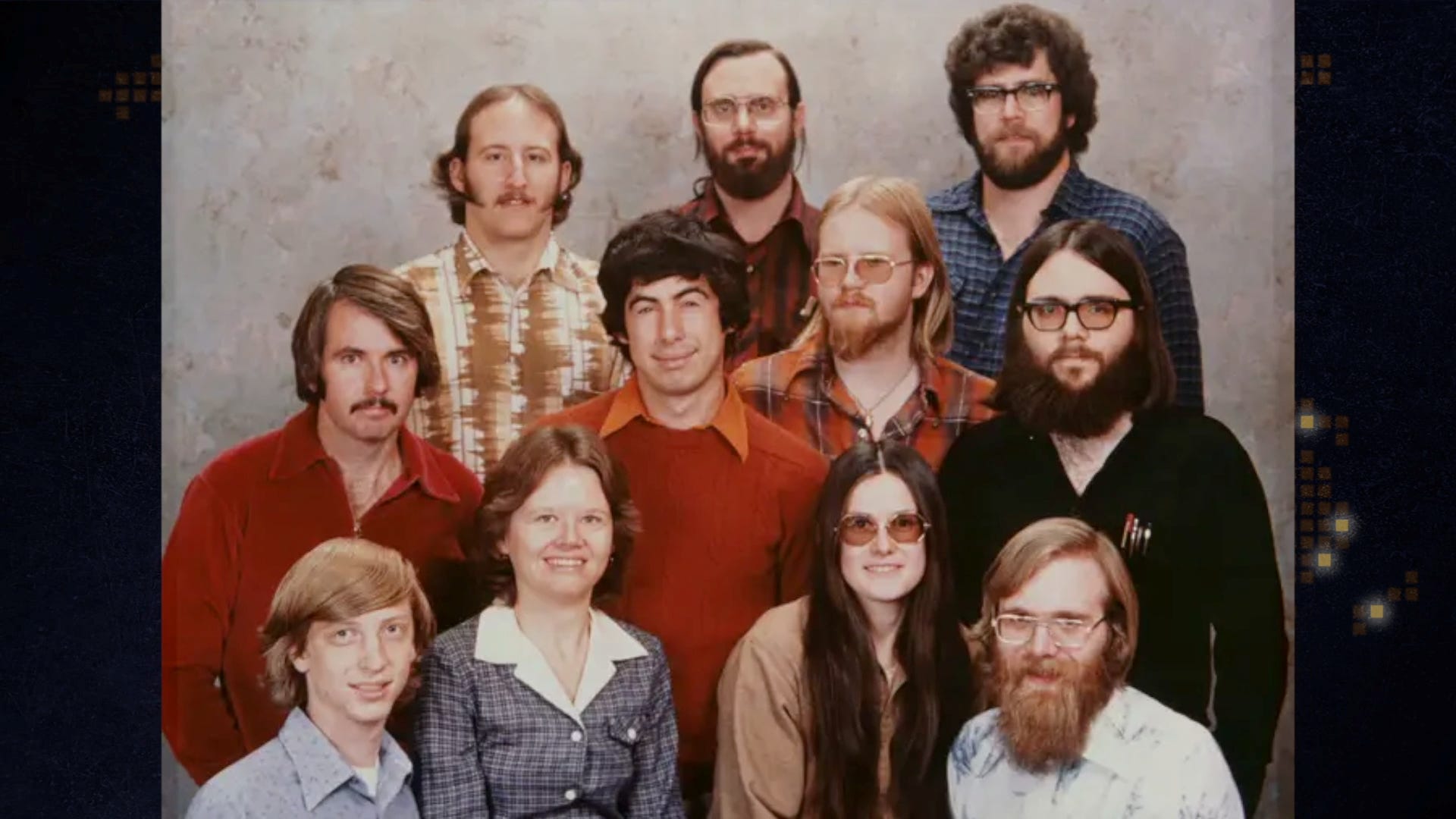
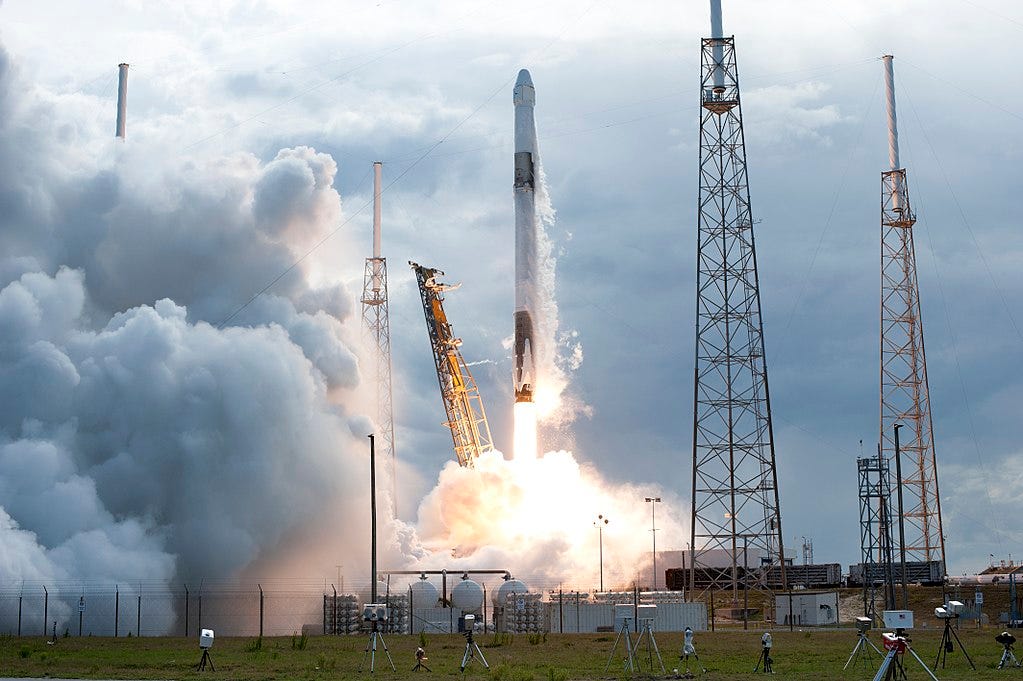
Or, today, “How are SpaceX’s rowdy band of engineers rocketing past NASA and Boeing and maybe launching civilization to Mars?”
Clever resource production, more stuff with less work, gave us time to think, imagine, create, and devise new stuff and new ways. Human capital value intelligently created perhaps the most valuable “capital” resource of all, that is, freedom from labor. “Free time.”

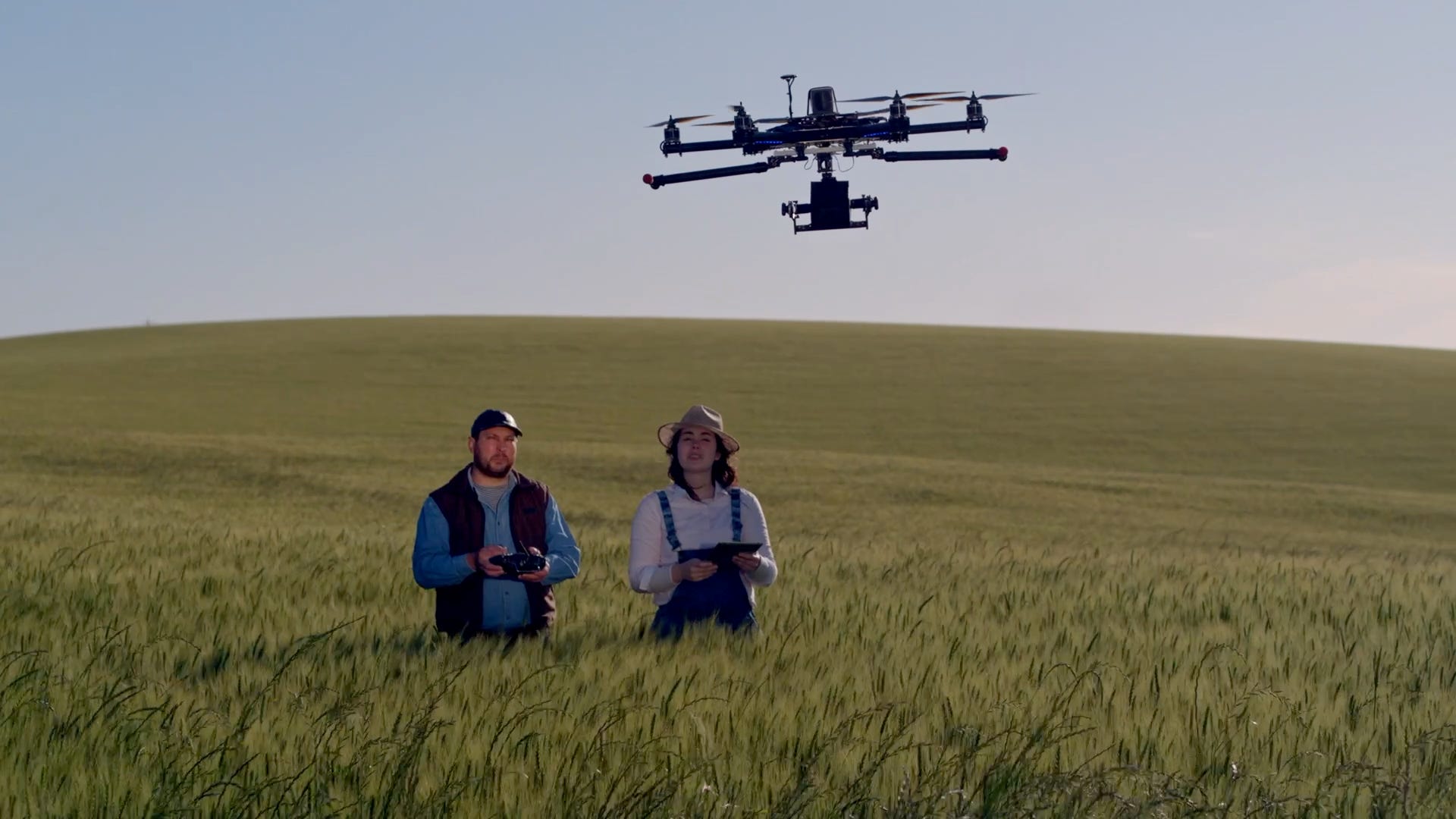
From our “kicked out of the Garden,” time-intensive toil and labors, we came up with better and quicker ways to, as Larry the Cable Guy says, “Get ‘er done!” Recall that in 1900, 90% of Americans worked in agriculture. Today, less than five percent do, and todays’ farmers and ranchers are high-tech “Ag” engineers – from GPS-directed drone oversight to down-to-the-square-meter soil management. In just 400 generations, or 10,000 years, most humans have advanced from chasing and gathering food resources all day long, to a 15-minute drive to the grocery.
We created time for the great cave artists and then the Chagalls and Monets and Rembrandts and Da Vincis to paint their magic, time for Homer to sing the Iliad and Odessey, for Mozart to play the music of the gods, time for the Newtons and Einsteins and Gödels to unlock nature’s secrets. We created human capital value by intelligently organizing our time.
And we used that extra time and space and resources to create the most “valuable” creative-destructive creature on the planet, lots more kids! As we’ve noticed earlier, from 4.4 billion screaming, squirming humans in 1980 to 8 billion of us by 2020. And astonishingly, though we’re far from perfect and we pose grave risk to Earth’s other creatures, most of us are better fed, living longer, and we have literally tons more “stuff” than the 5-10 million who got the agricultural revolution started those short 400 generations ago.
Free (and Fighting!) Knowledge Capital Value
Resource management, plus labor and social organization were always imagined, catalyzed, and directed by vulnerable, risk-taking humans learning and then applying their knowledge.
OR NOT! It’s likely that human intelligence has failed perhaps only slightly less than it’s succeeded. Yet somehow, by the skins of our prey, and the hair of our own teeth, we “made” “it.”
We learned. We learned to try, re-try, to succeed or fail, and maybe not fail but, tracking Thomas Edison, to confirm all the ways that didn’t work. Sadly, we also battled brutally and mercilessly with each other over it all. But then, somehow, we seem to get back at it and hang on to hard-won lessons.
When we were wise about it, we taught our kids, which meant we also had to sit back and pay attention to their rebellions, new ideas, long-short-matted hair, crazy music, tats, etc. But when we’ve had it all working, we taught them and ourselves how to learn. To question anything and everything.

Learning and intelligence don’t act on their own or without brute force. Our “smarts,” our critical thinking, are relentlessly energized by “will-power.”
But again, “OR NOT!” – Humanity and civilization are still a work in progress – Let’s not lose sight of the fact that, with all our intelligence-created gadgets and “progress,” nuclear weapons are still the low-hanging fruit on the mythical “Tree of Knowledge.” They remind us that we’re just a button-push away from…what? And how do we tell our kids about that “what”?
Still, in spite of hardships and desperations and brutalities, freezing nights or scorching days, famines and tumults, and most of all our own vanities and flaws and evils, for more and more of us we’ve managed to coax and force what was for our ancient ancestors bare-ass survival into what for us is increasing prosperity. Even if we’re threatening every other creature on the planet, or pointing those thousands of nuclear bombs at each other.
Intelligence is wild…and messy. Why would we expect capital value creation to be any different?
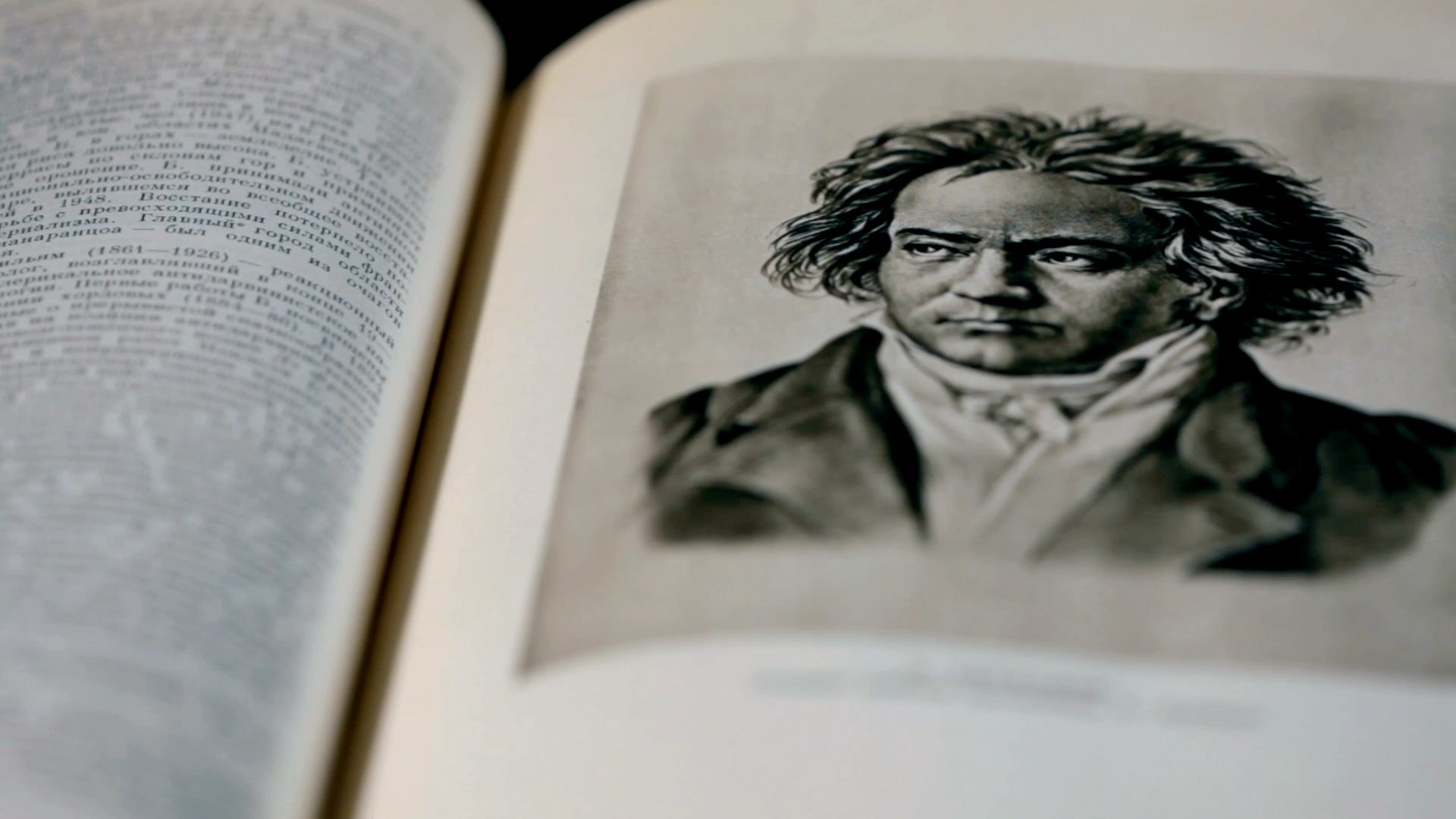
Still, capital value creation elevates the game to new and wild and crazy heights, that is, to its “virtual” levels of performance. Applied knowledge gets transformed and disseminated into highly complex languages, including mathematics, scientific equations, now artificial intelligence, but also philosophy and theology, music scores and art forms. We’ve changed the natural game to “our” game. “E = mc2” exists nowhere in nature except in the human mind. Recall that, for Beethoven, his own 9th Symphony played only in his soul’s “virtual ear.”
Likewise, market economies transform raw, hard physical resources into hyper-real “petro-dollars,” “stock tickers,” “big boards,” and now “bit”-coins. Into “money,” into virtual value that can “buy” and “sell” and “invest,” that is, that can become applied virtual capital value. Human virtual value has become projected and extrapolated into the hardest-core reality-metaphors – “figures” on paper-ledgers and IT screens that can literally crush the physical world and cause sentient, intelligent human beings to jump from high buildings.

More incredibly, knowledge capital is now entirely “free,” or to use the new caché term, “democratized!” The internet and information age have exposed for all to see what was already always there, that is, the now globalized, connected and integrating, living “trees” of knowledge. Recall Louis-Vincent Gave’s exclamation that knowledge is free, and that “in this new information economy…wealth [capital value] is in unlimited supply…and has a marginal cost of zero….”[3] We’ve always been an “applied” or real knowledge civilization.
Real knowledge-capital applied as money-capital is not only free, it’s wild and sexy. Indeed, as Alvin and Heidi Toffler think, “promiscuous…it mates with other knowledge.”[4] It can spontaneously reproduce and morph into new, virtual value-forms that energize, delight, and dazzle – and also disrupt and destruct and wreak havoc on everyday life. We’ll explore in Wild Finance how “mom and pop” residential mortgages were packaged into fixed income securities and suddenly became exotic, digitized “derivatives,” “hedges,” “swaps,” “collateralized debt obligations”[5] or “CDOs,” even “synthetic” CDOs, that could twist and inflate, distort and hide trillions of dollars of “mortgage value,” then move freely around the globe in microseconds, and that could warp the rational minds and souls of anyone who touched and traded them.
[3] Louis-Vincent Gave, and the GaveKal Team, A Roadmap for Troubling Times, GaveKal Research, 2008, p. 157-158.
[4] Toffler, Alvin & Heidi, Revolutionary Wealth, New York: Alfred A. Knopf, 2006, p. 100-101.
[5] A “Collateralized Debt Obligation” is a financial product that invests in other, non-cash assets and products, including swaps, options, and insurance contracts, in order to obtain exposure to other, usually fixed-income assets.
Once capital knowledge value is virtualized, it can play on an entirely non-physical gameboard. Curiosity-knowledge-invention relentlessly “splits the knowledge DNA,” now into digital “bytes” and “bits,” into entirely new and increasingly powerful, virtualized value-forms. Knowledge capital produces – reproduces – and relentlessly risks – new markets, mayhems, and wealth. And, as physicist Seth Lloyd observes, digital virtual knowledge capital value is “sexy”:
“The digital revolution under way today is merely the latest in a long line of information-processing revolutions stretching back through the development of language, the evolution of sex, and the creation of life to the beginning of the universe itself.
…The original sexual revolution was a tour de force, a huge success that came from what at first glance looks like a bad idea. Why bad? …Because it risked losing valuable information. A successful bacterium, reproducing asexually passes on its exact genetic makeup (absent the occasional mutation) to its offspring. But if an organism reproduces sexually, its genes are scrambled with those of its mate in order to produce the offspring’s genes, a process called recombination. Sex messes with success.
Why is sex good? From the point of view of natural selection, it allows for greater genetic variation at the same time as it faithfully reproduces individual genes. In sexual reproduction…the inherent scrambling or recombination affords a vast scope for change, yet still maintains genetic integrity.”
Seth Lloyd, Programming the Universe: A Quantum Computer Scientist takes on the Cosmos, New York: Alfred A. Knopf, 2006, p. 4-5, 14.
The playing fields of capital value are first managing resources, then organizing our work, and finally the entire quantum entanglement is powered by creative and disruptive human intelligence.
But then we can ask, “What are the playing conditions, the ‘ecologies,’ of the game?”
Knowledge Capital Value’s Ecologies: Risk and Competition
Risk
“Risk” is the primal, native experiential “ecology,” the native condition that all life lives “in,” including our knowledge and intelligence.
Human capital value creation emerges from the terror of existential risk imposed by nature herself: That voracious grizzly or now extinct saber-toothed tiger; climatological risks like ice ages; astrophysical risks like solar mass ejections; geologic risks like earthquakes, volcanoes, or tsunamis; biological risks like famine and disease.


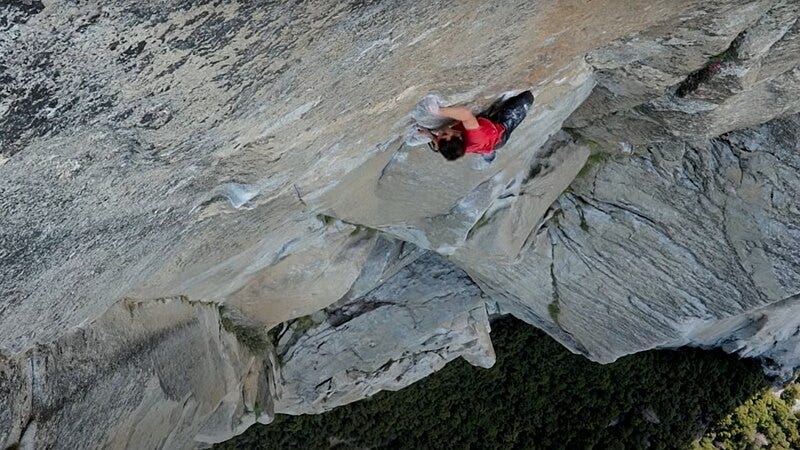
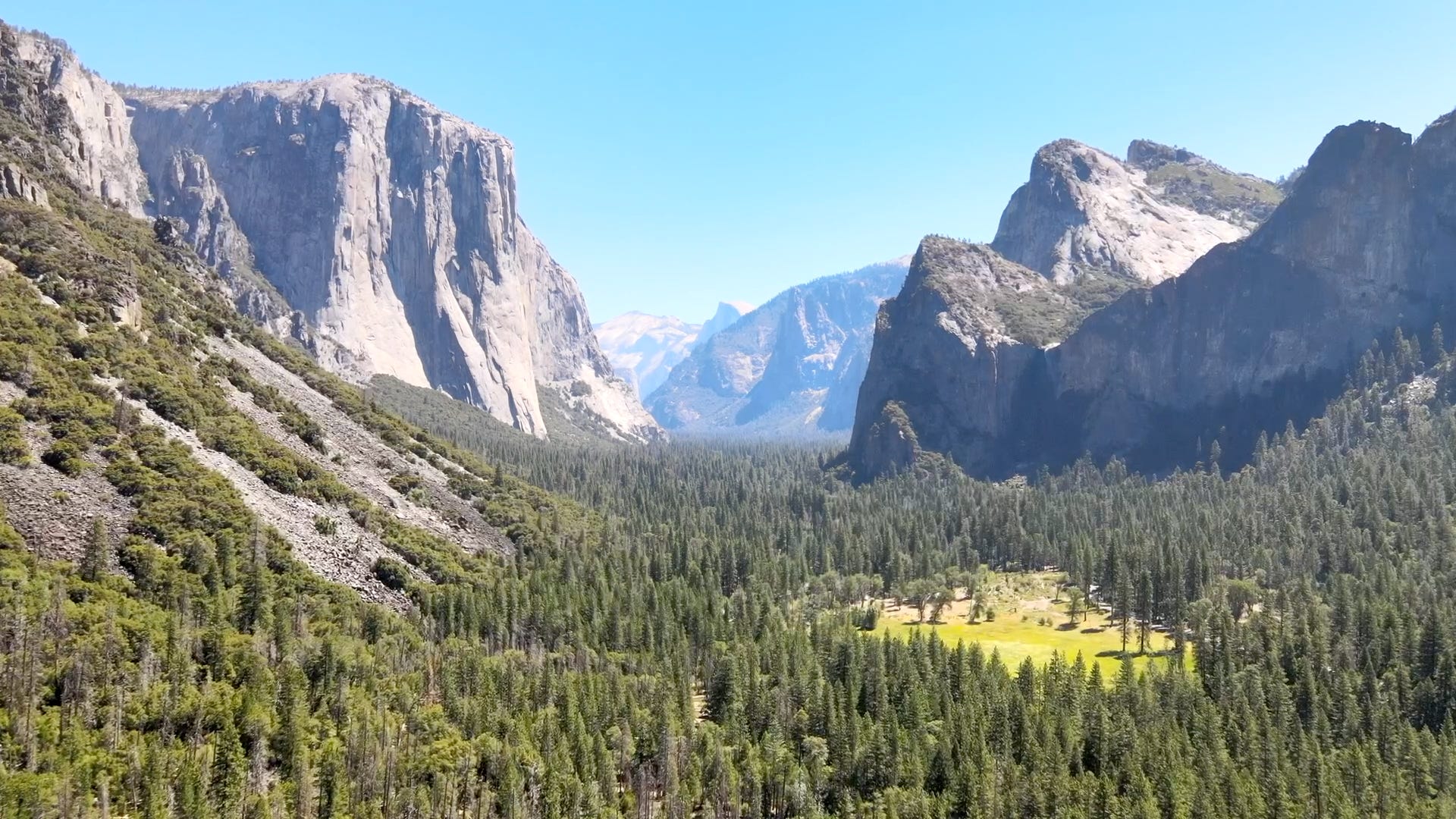
Risk is so bred into our bones and DNA that, in our modern era, when we think we have a grip on most of nature’s existential risks – (OR NOT!...can you say “2025 Los Angeles Santa Ana Wind fires?”) – we seem to go out and dream up incredible, unimaginable to most of us, human-made risks – like our daring kayaker, or Messner’s and Habeler’s non-oxygen aided 1978 summit of Chomolungma (Mt. Everest), or Alex Honnold’s 2017 “solo” of Yosemite’s El Capitan, or Apollo on the Moon, or miraculous medical procedures like in utero surgery, or now, even 100 MPH human wingsuit flyers, and on and on!
Why would free and applied knowledge capital act any differently? Doesn’t it emerge from crisis conditions? And of course, also from human aspirations, audacities, curiosities, inventions, and unrestrained desire to survive and now thrive and dominate Earth’s natural risk conditions? It’s Captain Kirk’s mission statement “To boldly go where no one has gone before,” or entrepreneur and rocketeer Elon Musk’s challenge after watching the Starship rocket’s successful launch but then subsequent explosion and “failure” to enter Earth’s orbit: “This is how civilizations decline. They quit taking risks. And when they quit taking risks, their arteries harden. Every year there are more referees and fewer doers.”
Human nature grew out of risk. Intelligent applied-knowledge-capital-value was born from and now lives and thrives on its response to, management of, and exploitation of risk. The existential condition of nature is risk. Humans create their own risk – Columbus’ voyages were all about curiosity and opportunity – and risk. Thomas Edison’s light experiments could have blown up in his face. Oppenheimer’s atom bomb exploded unimaginable new risk on the human capital playing fields.


Competition – Zero-Sum and Non-Zero-Sum
All of nature’s “at risk” creatures, particularly those voracious, unrestrained humans, compete against one another for essential natural resources – food, water, space, mating dominance, etc. As biologist Paul Keddy describes it, competition drives all life, from the cellular level to the species level:
“Competition is one of the most important factors controlling the distribution and abundance of living creatures. Sperm cells racing up reproductive tracts, beetle larvae battling inside single seeds, birds defending territories, and trees interfering with the light available to neighbours, are all engaged in competition for limited resources. …There are acacia trees that use ants to damage vines, beetles that compete for access to dung balls, tadpoles that apparently poison their neighbours, birds that smash the eggs of potential competitors, and plants that associate with fungi in order to increase access to soil resources.”
Paul Keddy, Competition, 2nd Edition, Boston, Kluwer Academic Publishers, 2001.
Competition is the primal, “zero-sum” game that nature plays with resource logistics. Zero-sum means simply, “If I win, you lose...if you win, I lose.”
“Zero-sum thinking,” either conserving or sharing what we first assume are limited resources, makes sense. Consequently, it tends to dominate the modern perception of resource management because it says, “Don’t run out of stuff!”
So recall, as we noticed in Wild Sex, Demographics, and Culture, Part 2, after the Great Chinese Famine of 1959-60 took 20-50 million lives, people were rightly freaking out about the foreboding possibility that a similar famine could hit India in the 1970s.[6] Or today, how will data centers power AI and eight billion folks watching movies on their smartphones?
Zero-sum thinking is consistent with Darwin’s theories of natural selection and survival of the fittest: “If I can run faster than you, I have a better chance of not getting eaten by that grizzly chasing us!”
Today, the plays of competition are civilization’s entertainment, and now $700 billion globalizing mega-business. America’s National Football League has grown from leather to plastic, from part-time players to full-time celebrity millionaire players competing on teams owned by super-celebrity billionaires.
Zero-sum thinking, however, doesn’t seem to fully account for how nature moves and shakes, or how we got to the eight billion. Or how India avoided a 1970s famine. Or how – our current question – how human capital value creation works. Shouldn’t we account for how we got from burning wood to nuclear energy, or atlatls and bows and arrows to nuclear bombs? Or from Fred and Wilma’s “Flint-mobile” to the Tesla? How did Fred steer that thing anyway without a Medieval front pivot axle? Ah, the magic of evolution…and cartoons!


We learned from Huber and Mills in our Wild Ecology talk that Earth’s energy accumulation and “order” are expanding over time:
“Starting from nothing 4 billion years ago, life somehow contrived to capture high-grade energy from here and there and used it to assemble more life…life now covers the planet…with the dawn of agriculture…human societies began selectively planting and breeding crops to capture solar energy…and they used the expanding supplies of energy mainly to breed more people, who planted more crops. Humanity’s total energy consumption doubled about every five to ten centuries, in step with the (slowly) rising population.”
Peter Huber, and Mark Mills, The Bottomless Well – The Twilight of Fuel, the Virtue of Waste, and Why We Will Never Run Out of Energy, New York: Basic Books, 2005, p. 174.
So, if we’re talking about “energy orders,” how did we get non-naturally occurring, or “hyper”-natural, uranium 235 (“U235”) from its naturally occurring cousin, uranium 238 (“U238”)? We got it from a band of very smart humans (The Manhattan Project), desperately at risk and competing against other humans (the Japanese and German Axis), experimenting and figuring out they could process the natural stuff with gaseous centrifuges and diffusion to end up with the U235 isotope. They created new applied-knowledge-value. And knowledge-power – The bomb’s new applied-knowledge-capital-value at once ended WWII and then radically transformed the human energy game. And nuclear energy also veered global civilization into an entirely new, and wild, age of risk and competition.
The “nuclear age” represents the most sudden and shocking “quantumly entangled paradigm shift” in human history. Nuclear energy’s knowledge power transformed military political and civil power overnight. It re-set the global order. Human knowledge-capital creation – and destruction – defeated military powers, it neutered political powers who didn’t have it, and it promised urban societies virtually indefinite energy resources.
[6] William and Paul Paddock, Famine, 1975!: America’s decision: Who will survive?, Little, Brown, 1967.
So, while life may appear “zero-sum” on its competitive, zero-sum surfaces, it’s really playing another, entirely elevated game that creates a new “plus,” or “non-zero,” creativity. And incessant disruption. New stuff and techs overwhelm and replace the old stuff and tech. More stuff-utility-order-power and hence expansive or add-on non-zero-sum value strategies (U235) emerge to create new hyper-forms of nature. Joseph Schumpeter would call it this capital value emergence the “perennial gale of creative destruction.”[7]
Robert Wright observes the paradoxical play of risk, both as zero-sum winners and losers, but, at the same time, “non-zero” sum strategies that grow value that in fact grow what we’re insisting is actually the seeds of capital value:
“…this primordial imperative to process information…has risen to higher and higher levels, following the logic of organic coherence, which is to say…the basic paradox of creation: non-zero-sumness, wondrous though it is, was created by, and for, zero-sumness...”
Robert Wright, Nonzero: The Logic of Human Destiny, Knopf Doubleday, 2001, Kindle p. 325.
Human knowledge-capital-value creativity is an “ordinary,” everyday “fact.” Or even, as Einstein thought, a kind of ordinary, meta-physical “miracle” that can transform, direct, and expand the physical world. Whether you conclude that it’s a miracle or not, spontaneous value creativity appears on the scene long before “capital” or “capitalism.” Non-zero-sumness capital value creation is a force of nature itself.
[7] Joseph Schumpeter, Can Capitalism Survive – Creative Destruction and the Future of the Global Economy, New York: Harper Perennial Modern Thought, 1976, p. 41-45.
For example, what “real capital-value” did Einstein’s non-zero-sum research create? A short list includes:
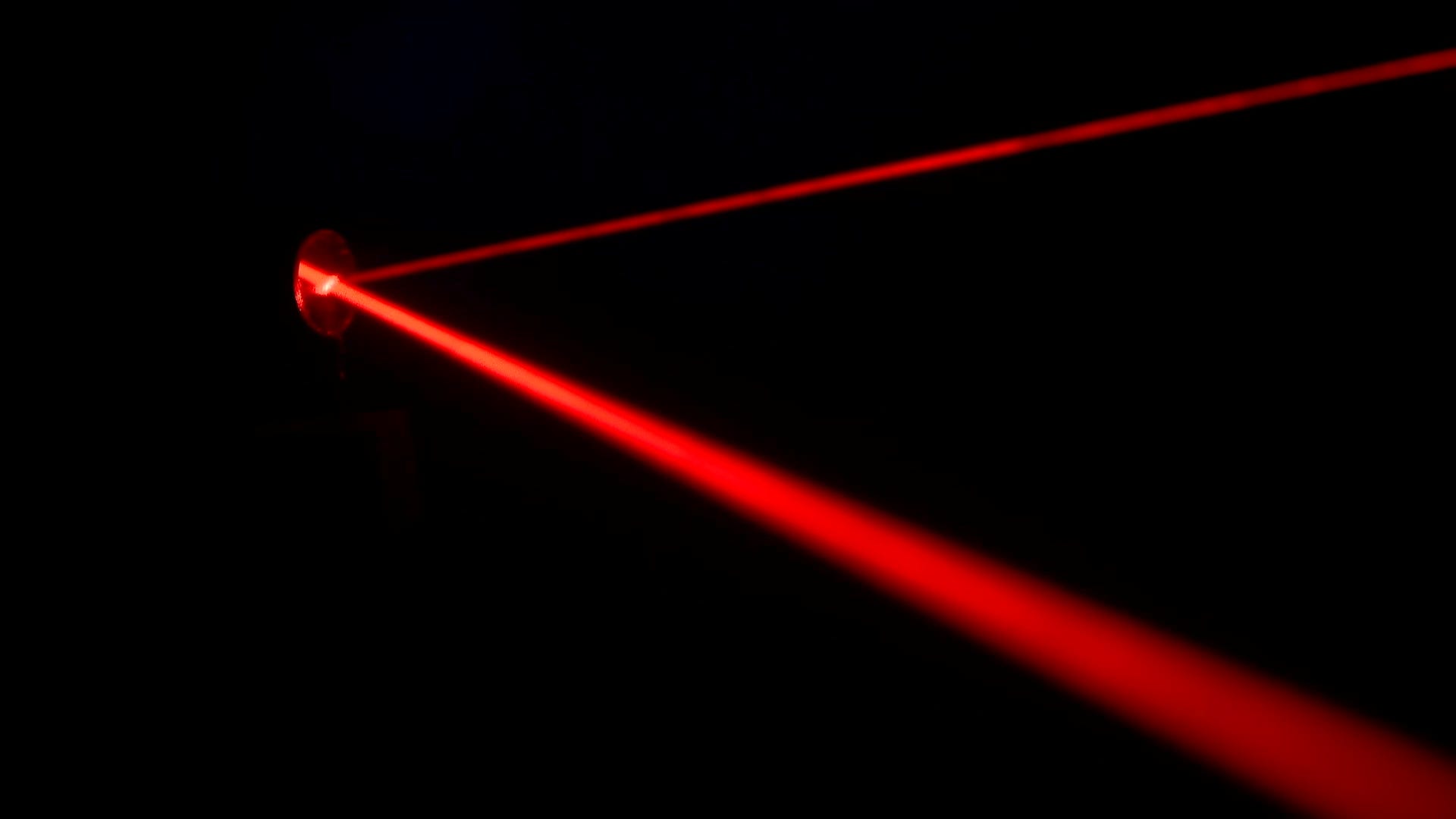
· Laser Technology – Einstein’s 1916 discovery of “stimulated emission” created the foundation for lasers used in high precision cutting, drilling, welding, and also measuring materials and distances.
· Global Positioning Systems (“GPS”) – Hyper-accurate GPS relies on principles derived from Einstein’s research, in particular his theory of relativity.
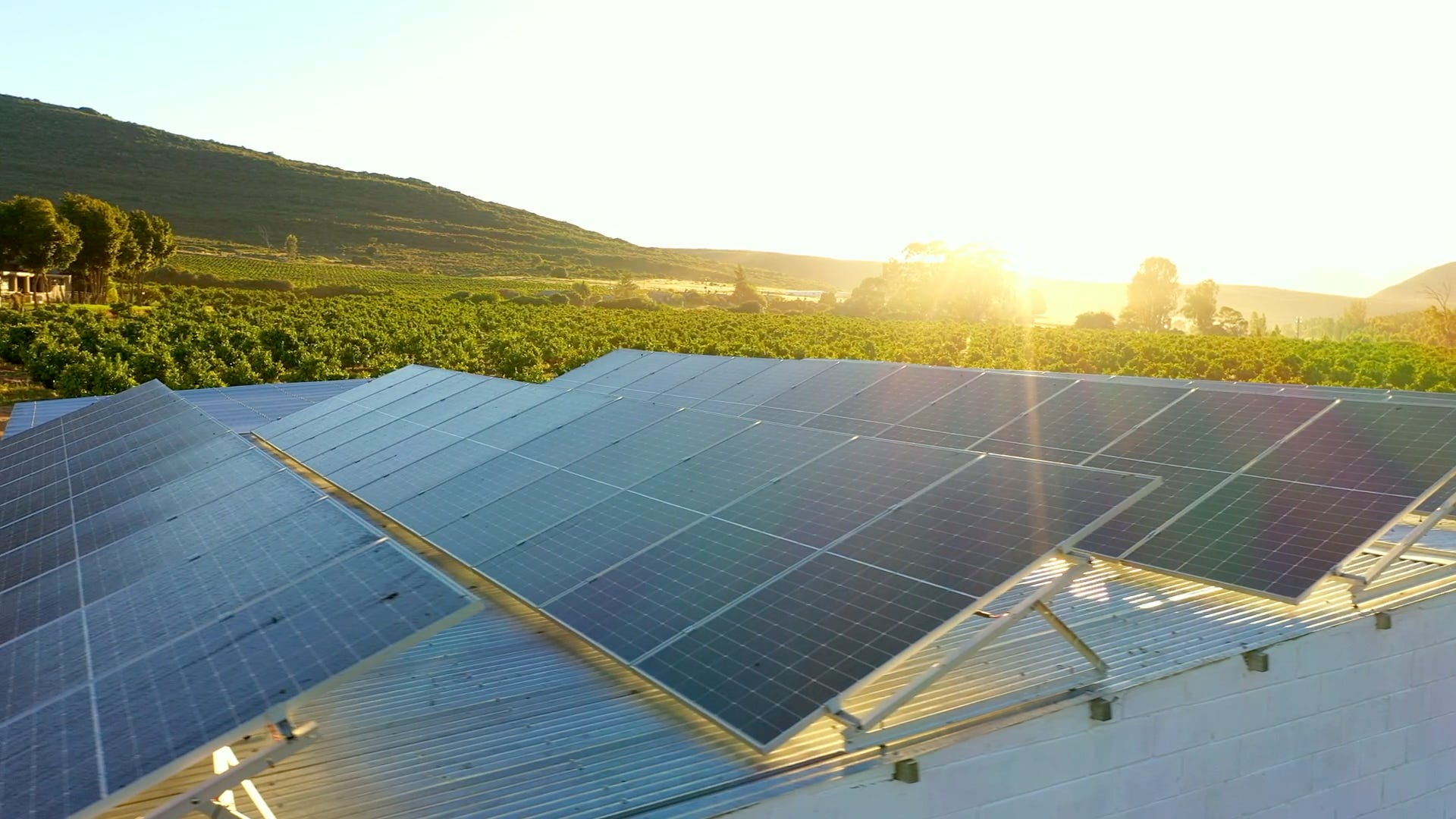
· Photoelectric Effect: Einstein won the Nobel Prize for his explanation of the photoelectric effect that was vital for the development of solar panels, photovoltaic cells, and optical sensors.
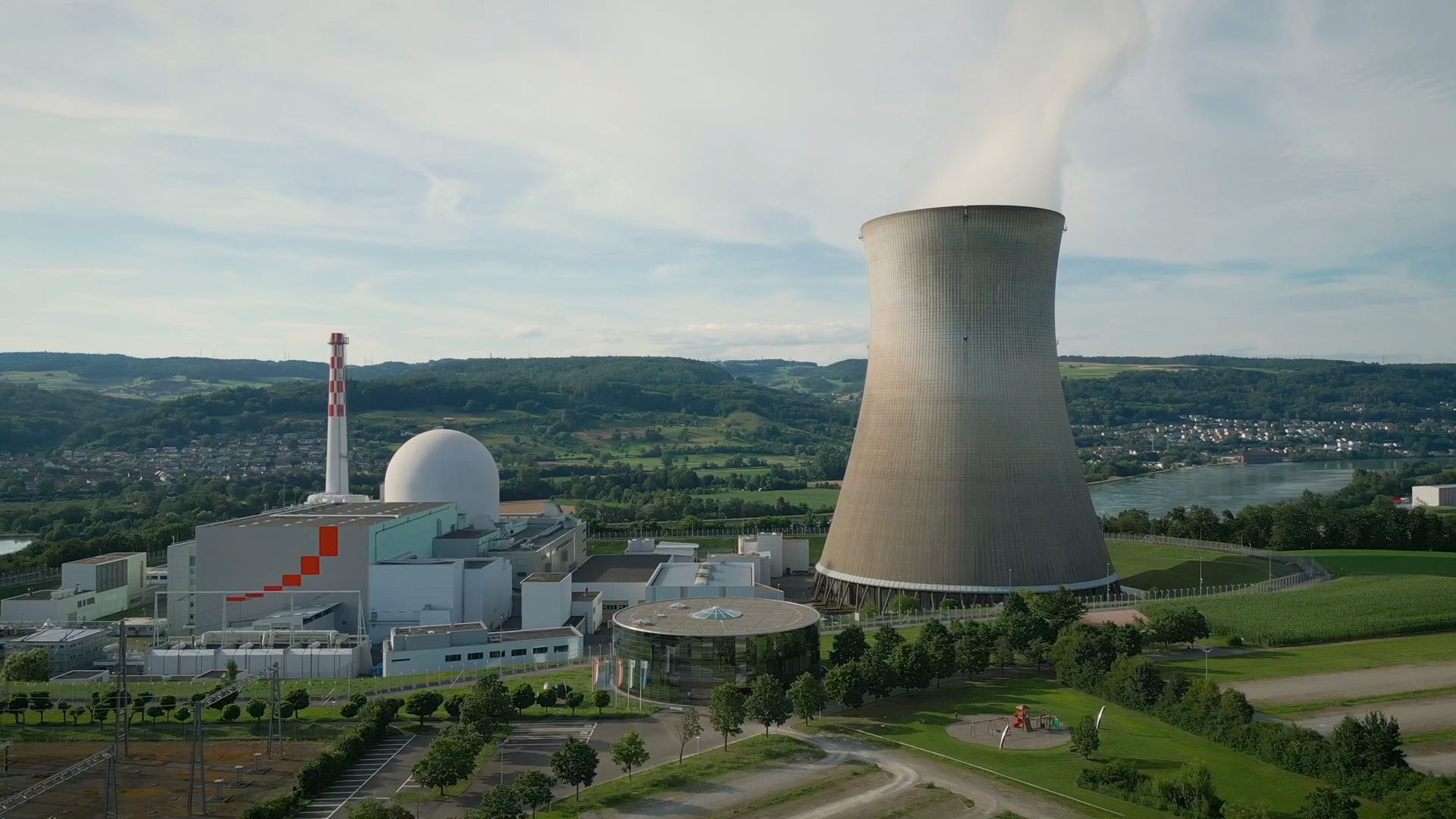
· Nuclear Energy – Einstein’s famous E = mc2 equation laid the theoretical groundwork for nuclear energy development.
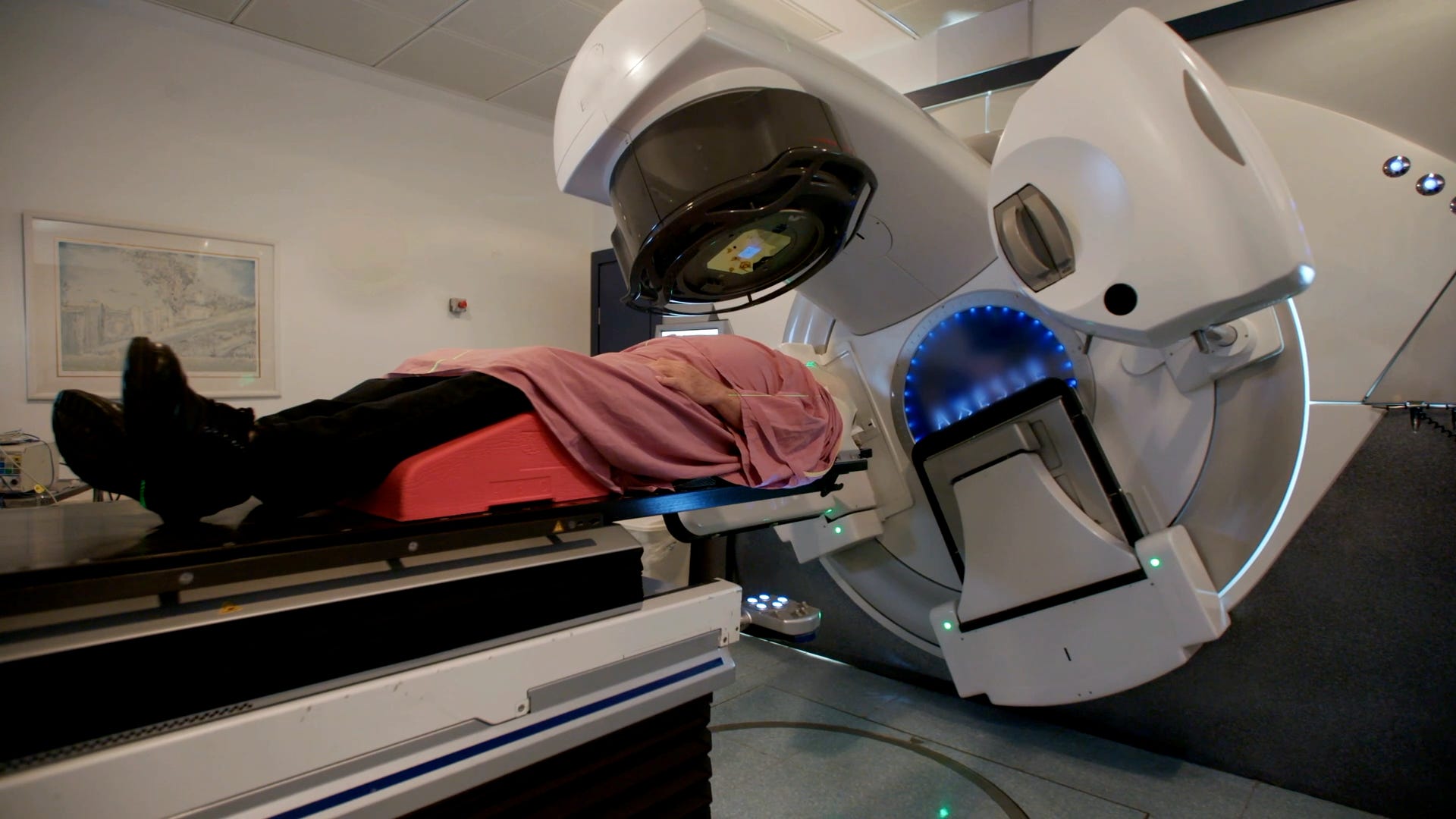
· Medical Technology – Einstein’s research contributed to the development of cancer radiation therapy.
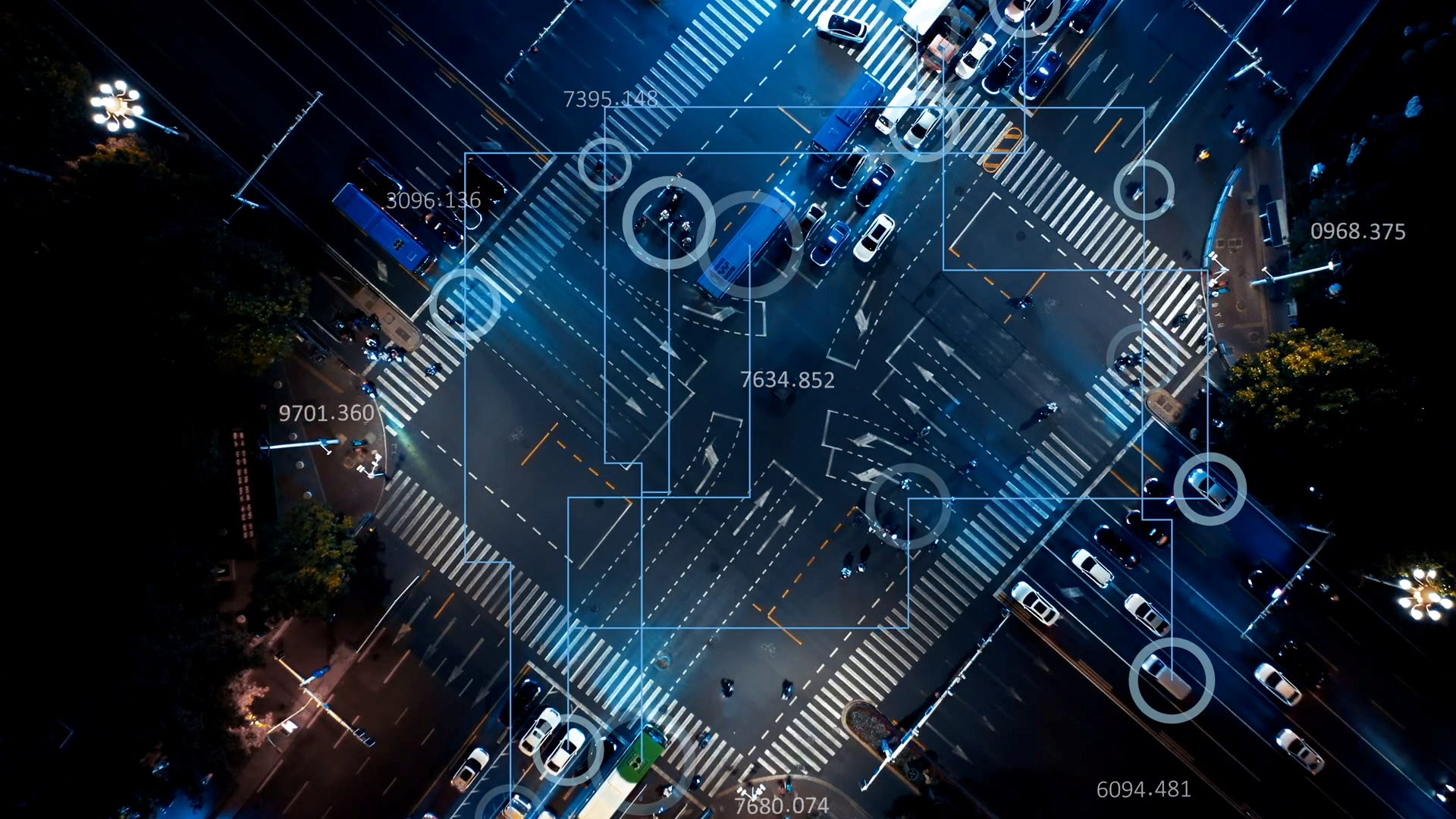
Einstein’s life and critical, creative thinking demonstrate how the unrestrained human imagination changes the rules and expands the playing field of possibility for “capital value creation.”
Epilogue
In our Wild Capital in the 21st Century Part II we’ll explore the “non-zero-sumness” tools and techniques that capital and capitalism deploy to create value and how this was always never physical evolution but rather, tracking now Einstein over Marx, meta-physical emergence.
So, stay tuned!