


“The digital revolution… is merely the latest in a long line of information-processing revolutions stretching back through the development of language, the evolution of sex, and the creation of life, to the beginning of the universe itself. Each revolution has laid the groundwork for the next, and all information-processing revolutions since the Big Bang stem from the intrinsic information-processing ability of the universe. The computational-universe necessarily generates complexity. Life, sex, the brain, and human civilization did not come about by mere accident.”
Seth Lloyd, Programming the Universe: A Quantum Computer Scientist takes on the Cosmos, New York: Alfred A. Knopf, 2006, p. 4-5.
Welcome back
Welcome back to the Wild Globalization Project! In our last conversation, we heard Louis-Vincent Gave claim that, in this “new” information economy,
“…wealth creation is, for the first time in history, the result of something [information, knowledge] which is in unlimited supply…which has a marginal cost of zero and which questions the whole intellectual framework of economics…”
Wild Globalization hears Gave, but we’re reaching outside economics, to the confused Klondike sardine trader – remember him, “…but them’s were trading sardines!, ”or Alvin Toffler’s prescient claim that “…a market is not simply an economic structure…it’s a way of organizing people, a way of thinking, an ethos…,” we’re searching for Benoit Mandelbrot’s “rough and wild randomness.”
We’re tracking how this new information economy, including A.I., is just the latest symptom of something economics alone can’t answer.
It’s the wilder question of “value” itself…human value and human value creation. We’re claiming that human “knowledge value” has been the “game” for now, what, a million years? Humans have always been about knowledge – who’s got it, who’s getting more of it, and what are they doing with it? And once we get it, how do we manage it – like sardines in the Klondike?

What the heck is going on when these humans, take the given world, say a river, but then dream up a kayak, a paddle, and our wild and crazy kayaker?
A quick roadmap note: todays talk is our longest and wildest dive into the wild globalization river because we’re going to see how, and why, this human knowledge value thing is, in its heart and soul, getting wilder!
To recap Wild Globalization, we’ve noticed how humans are a unique life-form. First, we’re “intelligent” creatures who create – science, life-saving medicines, the Mona Lisa or Beethoven’s 9th, and now artificial intelligence/“A.I.”
OR NOT! – that same intelligence destroys – industrial scale warfare, genocides, it “disappeared” entire ecosystems, it committed unthinkable atrocities.
Second, we’ve considered how humans can care, protect, even die for those we love. And, we can be amazed and in awe of Earth’s spaces and creatures. OR NOT! – we can just as easily, in the same lifetime, be vicious and wantonly hateful and destructive.
Finally, we’ve also claimed that humans aren’t un-natural, rather we’re hyper-natural – we take what nature gives us, but then we can’t seem to leave it alone, so we come up with, voilà(!), the kayak and the kayaker! We’re freaks, maybe, but, somehow, some way, we’re still “of nature.”
Being smart and caring and hyper-natural are the strategies that have worked for us…OR NOT! For good and bad, there’s eight billion of us running around the planet today, living longer and with more to eat…so something’s “working.”
Today the question we’re asking for our own, and Earth’s future, is:
“How does knowledge-value really work, OR NOT!”
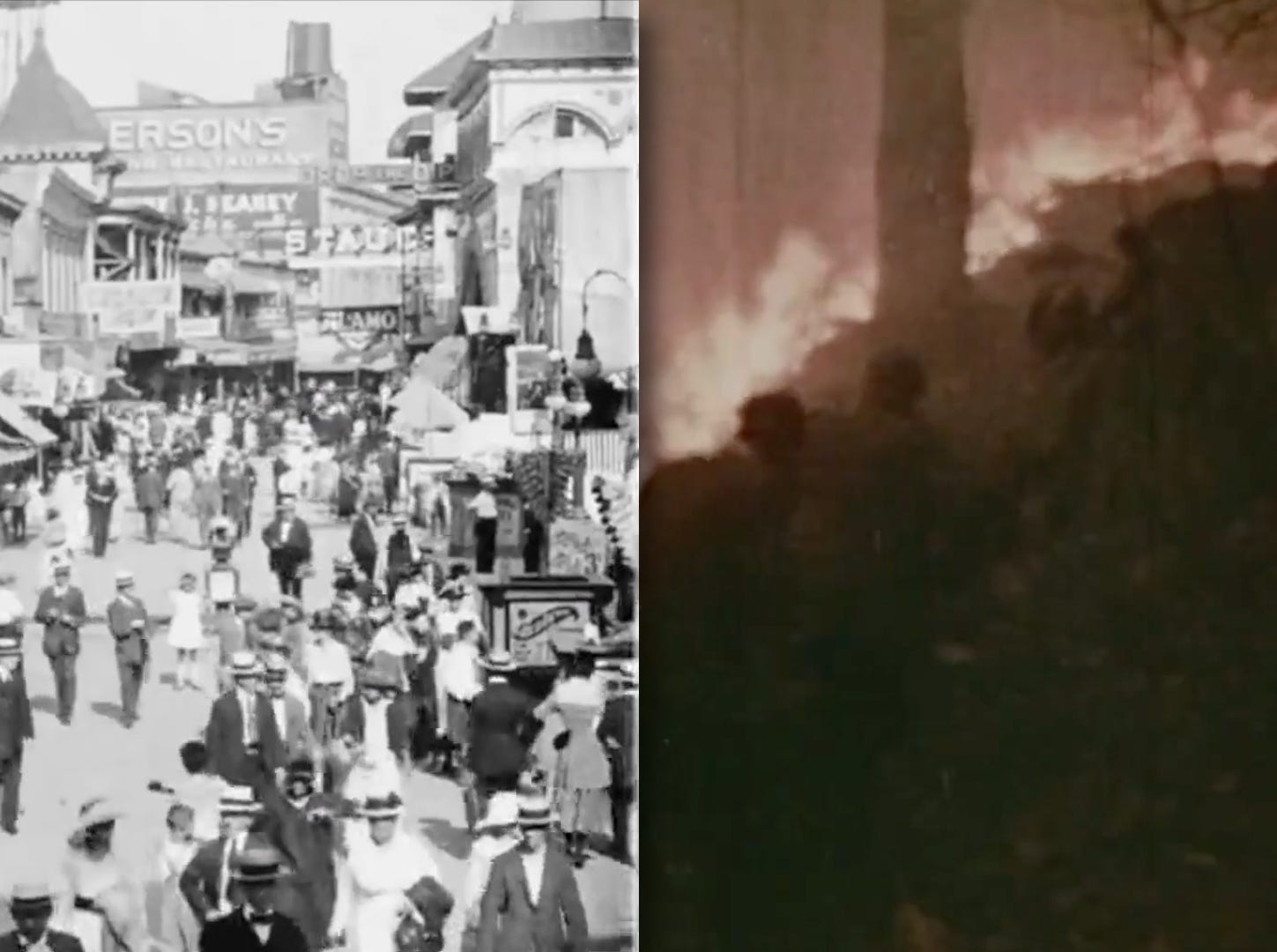
So recall how we’ve tracked the 19th and 20th centuries, how they began with one billion humans on the planet, how they seemed to promise global cooperation, prosperity and amazing new technologies – steam power, continental railroads, electricity, telephones, automobiles – but then how it all seemed to collapse into chaos, global wars, pandemic and famine, genocide, holocausts, environmental destruction.
Like never in history, the nineteenth and twentieth centuries created – and destroyed – human lives and cultures, ecologies and creatures. Incredible “value” was created – industry, consumer economies, cities, populations, food abundance, national parks, medicines, genetics, spaceships.
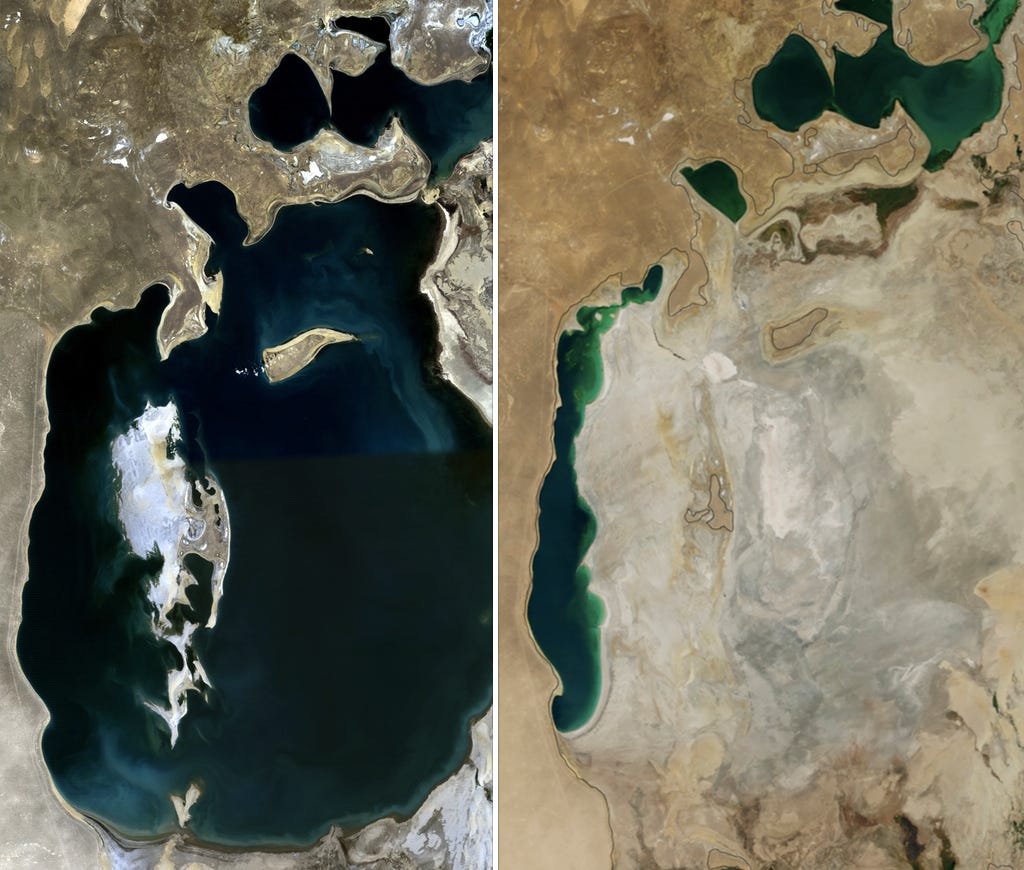
Farmers and ranchers turned North America’s Great Plains into a “breadbasket” for the world, but overran indigenous peoples and, along the way, casually, for sport and industry, slaughtered 60 million magnificent bison. Oppenheimer’s team invented the atomic bomb and “saved civilization.” Californians and Russians turned magnificent Tulare Lake and the Aral Sea into dust bowls. “Value” given, then created and destroyed, in the same sweeps of history. And then…what?
Still, wildly(!), six billion “modern” humans emerged into the 21st century hell-bent to hyper-globalize trade and prosperity with a “rising tide” of wealth, foodstuff abundance, and even more amazing technologies. Today the global human family is the largest and measurably the healthiest, best nourished, and most prosperous in history.
OK, but this prosperity has exploded so wildly that it’s unevenly distributed. And people are on the move in immense global migrations – a million every week moving to cities, triggering “demographic reversals,” with too few young to care and pay for the old. Humans threaten – and we are threatened as never before – by the Earth’s wild ecologies – the possibility of climate change, yes, but other, even bigger stuff like ice ages, geomagnetic storms, or catastrophic volcanic winters if, or when, the Earth’s mega-volcanoes go off. Hateful wars rage again in the Middle East and Europe? Covid-19 wreaked havoc and killed millions.
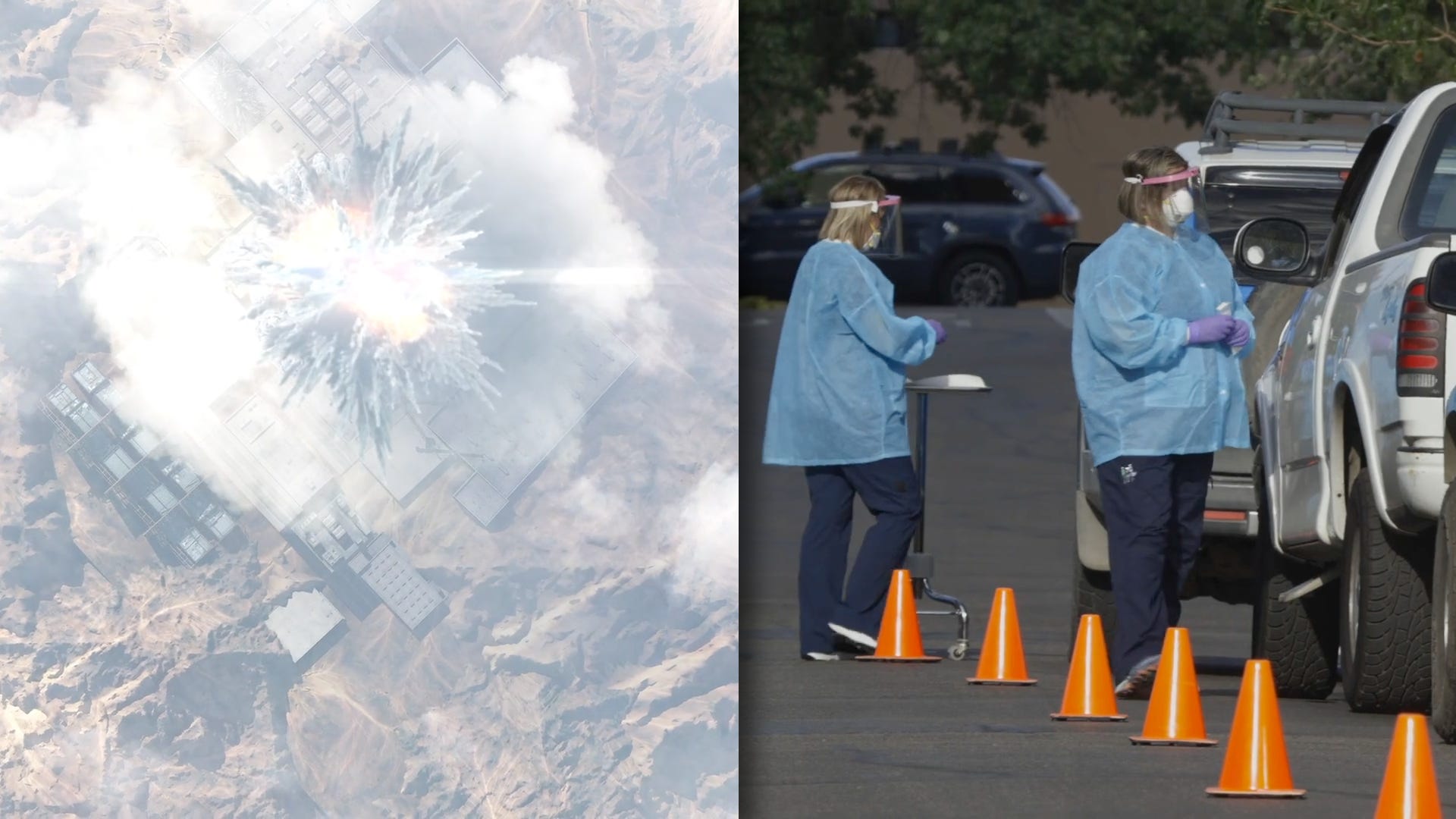
This all boils down to much grittier, down and dirty, questions, to: “What value do humans bring to the planet…OR NOT?” “What creates human “value…OR NOT?” “How and why do humans create and destroy it so easily, so casually?”
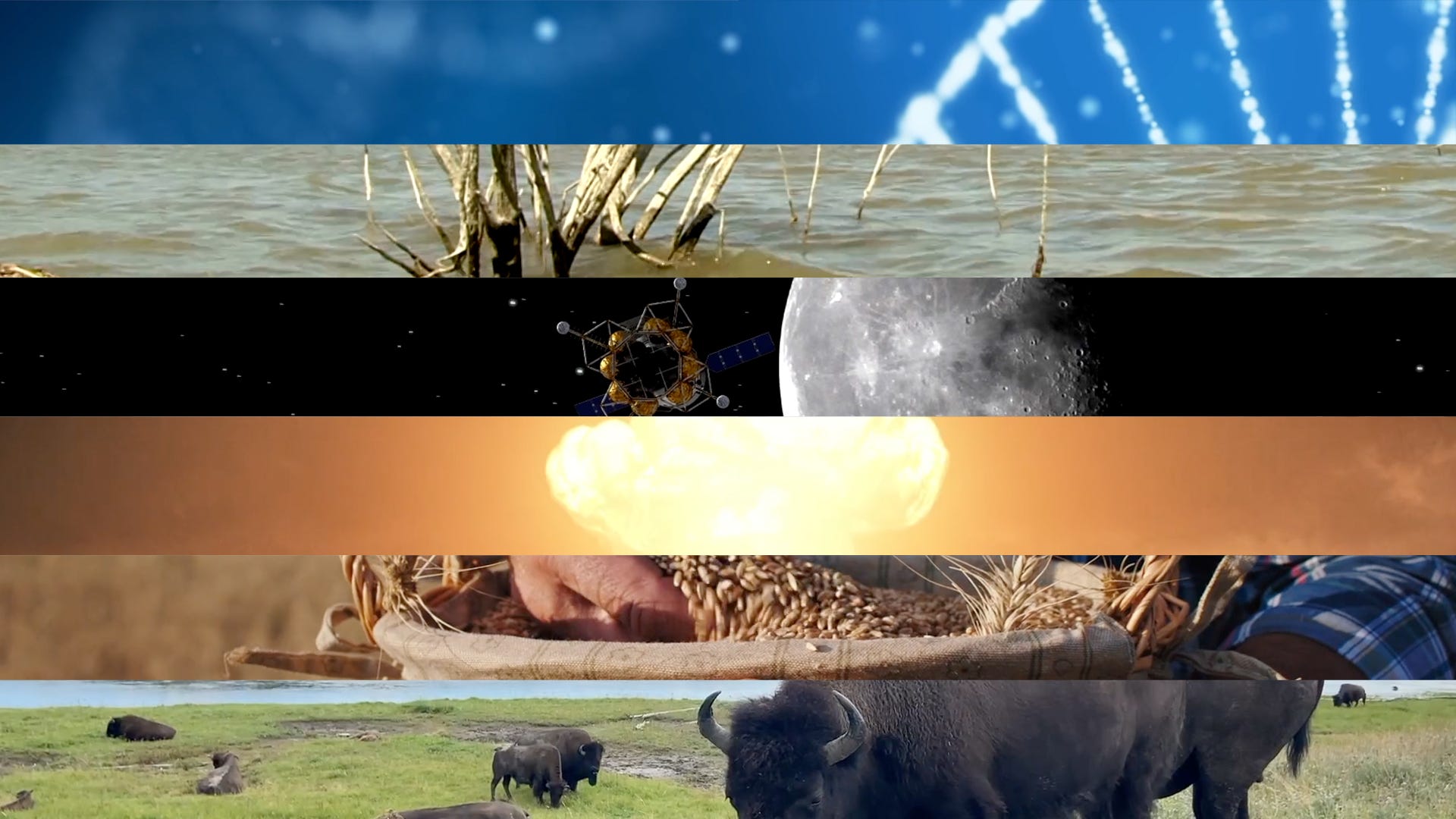
Human genome?...Voilà!
Tulare Lake and the Aral Sea?...Poof!
Moonshot?...Apollo!
Hiroshima?...Poof !
Breadbasket... Voilà!
Bison…Poof!
So what is human value in our 21st century time?
“What the heck is going on?”
Virtue and Knowledge
In Wild Economy, Thomas Sowell and others reminded us how humans create value by observing, learning, thinking, experimenting, testing, failing, and finally succeeding – INNOVATING! For 8,000 years agriculture has grown more food because it grew food-growing knowledge.
Human value, like more food, begins with smart, clever people, it begins with knowledge creation.
So what we’re tracking and bushwhacking here is “value” itself. What works? What makes things easier? Which of the natural world’s challenges are we responding to? We’re tracking a “knowledge (that works!) theory of value.”
But history’s horrors slap us in the face and remind us that it’s not just “knowledge that works,” it’s knowledge that works or tries to work for the “good,” the benefit, of humanity and life on planet Earth. It’s really knowledge that works “virtuously.”
It’s virtuous knowledge.
Curiously, “virtue and virtuous,” mean “good, beneficial, wise” – Mother Teresa virtuously, lovingly, cared for the sick and dying of Calcutta, India.

Virtuous also means “an effective force or power,” as when we say, “by virtue of.” Responding to human suffering, Mother Teresa acted, decisively and pragmatically. She dignified the practice of hospice care around the world – today, 5,000 Missions of Charity nuns give care in 133 countries.
Knowledge creates human value. We see it and buy it on Amazon or at the grocery because it works(!). This creation, movement, and transaction of products creates “economies.”
But the final product, the smartphone or the atomic bomb, are not the magic. They’re the rabbit coming out of the hat, but the magic is the magician’s sleight of hand or the inventor’s or entrepreneur’s or farmer’s practical knowledge value creation. Or Mother Teresa’s leadership and inspiration. It’s Beethoven’s or Mozart’s genius, or Ford’s or Musk’s organizing brilliance, or the collective intelligence of the thousands who worked the Manhattan Project.
So behind all material value, what we see and touch, or buy and sell, behind the product, is the “knowledge-value-chain:” Data from experience; new, surprising, even game-changing Information gleaned from the data; and then new Knowledge from understanding and interpreting the new information. It’s knowledge value that responds to, adjusts and then innovates and builds something for what life puts out there.
Knowledge builds the bus and knowledge drives the bus.
The Knowledge Mystery – Freedom-Consciousness-Knowledge in the Garden of Eden
So, if knowledge value and innovation are so incredible, so “hyper-natural,” if we think we’re so clever, how or why can they be so volatile, so unpredictable, even mean and ruthless? Tracking the incisive twentieth century economist, Joseph Schumpeter, what does it mean to call knowledge innovation’s constant disruption of civil societies and economies the “incessant gale of creative destruction.”
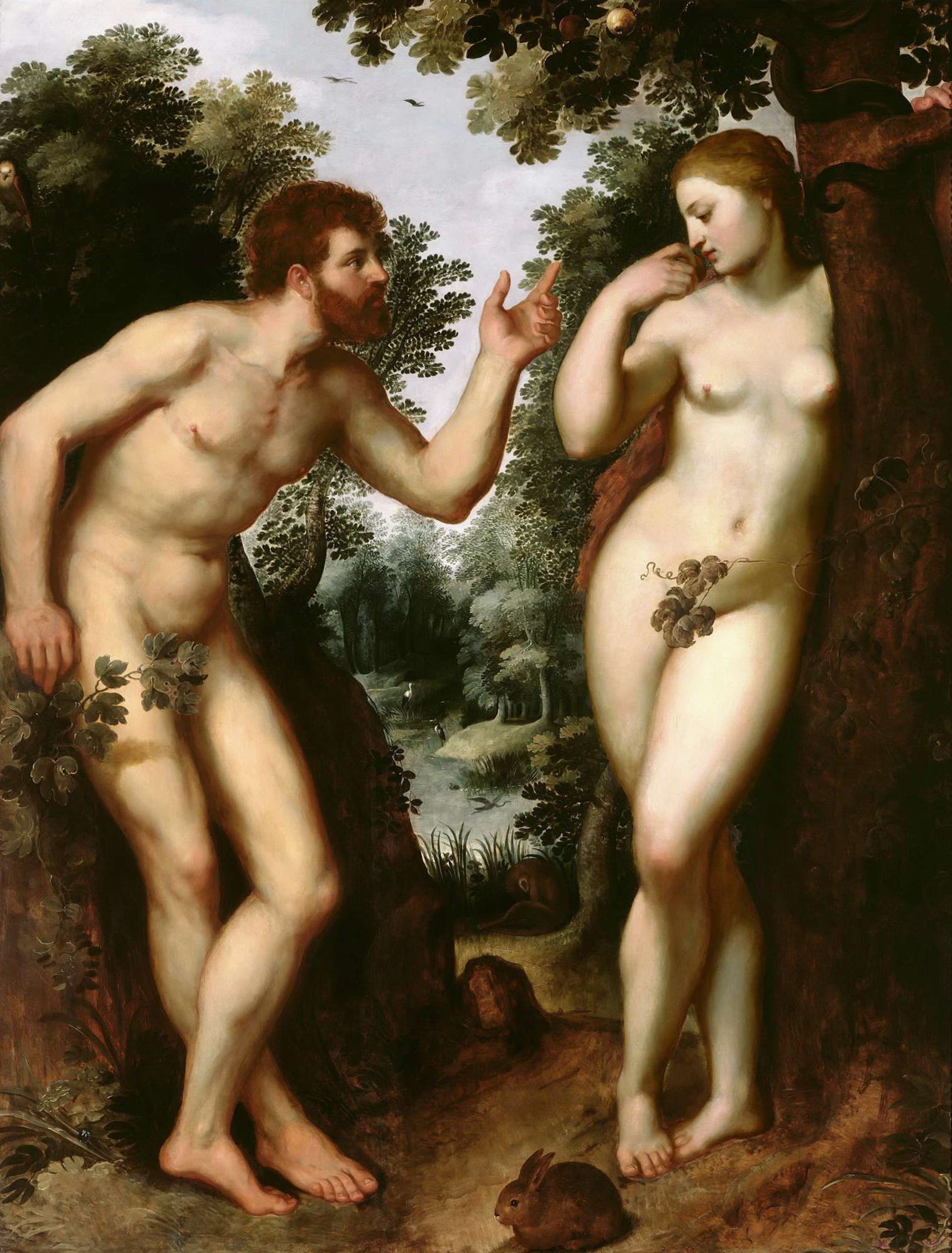
It’s more than curious that the originating creation myth, Genesis, of Western Civilization – the folks who more or less led humanity into this very wild, so-called “modern,” tech-bound, scientific-industrial age – the story told for thousands of years in various versions by three of the world’s great faith traditions, Judaism, Christianity, and Islam – it’s curious how the story introduces the “world” in essentially three story-lines:
First, “God’s” creation of the “Universe” and life on earth, including human life;
Second, the story of Eve and Adam being tempted by the mysterious serpent and sweet (or bitter?) fruit of the primordial “Tree of the Knowledge of Good and Evil;”
Finally, it tells how, upon tasting the fruit, Eve’s and Adam’s self-awareness, their “consciousness…of themselves…the Garden…their nakedness…in fact this created ‘world’ ” – and so, their unique being, their human being, is transformed, like the butterfly’s metamorphosis from the chrysalis.
Expelled from the Garden and eternal life, they are now “free” (or condemned to be free?) to eke out a radically different life outside the Garden. And we may surmise that they now possess new and unique powers – this seemingly unrestrained yet awesome freedom, this mysterious new “consciousness,” and this new “knowledge of good and evil.”
Whether one is “God-fearing,” OR NOT(!), faithful, “religious,” OR NOT(!), devoted to the teachings of Moses, Jesus, the Buddha, or Muhammad, Krishna, or, for example, America’s indigenous people’s “Great Spirit,” etc., OR NOT(!), the message appears to be that this “freedom…consciousness…knowledge” – how humans get (or sneak) it, how we are blessed (or condemned) to it, how we use (or abuse) “it” – is the cardinal mystery and power, the force, of the human experience since time immemorial.
It still is – this mysterious story of human freedom-consciousness-knowledge only begins in the mythic Garden.
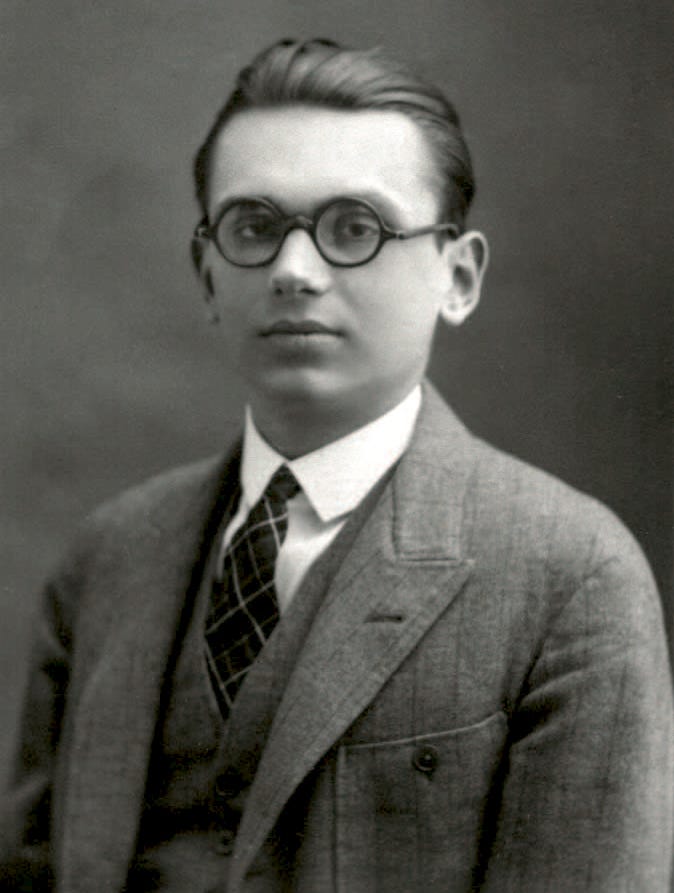
Even more curiously, the modern theoretical sciences, mathematics and physics, the engines of the Enlightenment and Industrial Age, figured this out on their own without reference to “God,” or the “Gods,” or any divinity, mythic story, or Garden, or Serpent, as recently as the early twentieth century. In 1929, the young savant mathematician and logician, Kurt Gödel, who would become a best buddy of Albert Einstein at Princeton, shocked the scientific community with his “incompleteness theorems” which demonstrated that mathematics, science’s most essential and foundational logic, could neither prove nor disprove its own validity or consistency – in a nutshell, you couldn’t use math to “prove”…math!
Gödel’s logic followed from Werner Heisenberg’s famous “quantum uncertainty principle” which states that, in any “recursive self-referential system” – mathematics, physics, or information theory, as Alan Turing and Claude Shannon would later add, or Jacques Derrida’s critique of human language would intone in Western philosophy – the system can’t use its own logic to prove or measure the foundation of – its own logic! As George Gilder sums up the conundrum,
“…we can’t use photons or electrons to measure photons and electrons.”
George Gilder, Life After Google: The Fall of Big Data and the Rise of the Blockchain Economy, Skyhorse Publishing. Kindle Edition, 2018, Kindle 113-116, Text 99-101.
This is most transparent when we try to think about language systems and the simple meaning or definition of any word – the meaning of any word is always …a beautiful, indefinite “plenitude” of reference to…other words…!
Now, if you’re building the Golden Gate Bridge or the Burj Khalifa, or Apollo, this all seems trivial – the bridge and Burj stand, Apollo flies, usually(?).
But if you’re doing knowledge theory or trying to come up with the core principles of mathematics or physics, or information or language theory, the bedrock epistemological strategies of civilization, and in particular, our “modern” age, including Newton’s seminal Principia Mathematica and now A.I., it can’t be trivial.
It’s as if Heisenberg and this parade of thought-leaders re-discovered and gave new life to the serpent in the Garden’s thought-grass. Science is not held back from pursuing its amazing discoveries and practical innovations, like the human genome or modern medicines or A.I. But it has lost its luster as the pre-eminent bedrock of apodictic truth value, or knowledge. Under our “civilized” noses, the Heisenbergs, Gödels, Turings, Shannons, or Derridas restored the mystery and wildness of human knowledge.
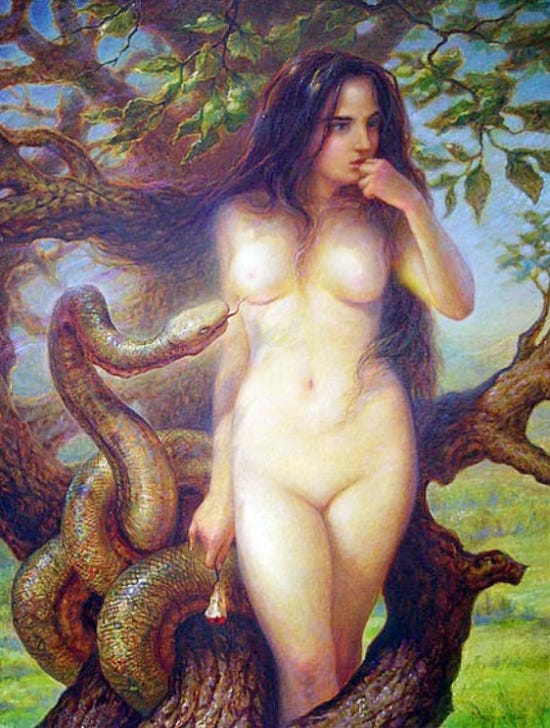
Knowledge – how we do it, get it, “know” it, how it yields certainty, OR NOT(!), remains, alas, nonetheless, in spite of its shining and elegantly tangible achievements, as mysterious as Eve’s first taste of it. Science can build Golden Gates, or Burj Khalifa’s, or spaceships to Mars, or miracle genome-based pharmas, yet it can’t really be certain or fully explain how it “knows” or does all that!
So to get a grip on this wildness, let’s look at everyday stuff and experience, at history.
Why is Knowledge Value Wild? - Consequences & Externalities
So why can’t we keep a lid on knowledge? Why are humans always running to catch up with their innovations? How is it that Wozniak and Jobs, from their garage, can dream up personal computers and smartphones, but many of us are now lost, even “de-humanized,” in a new “social media” wilderness?
Knowledge, it seems, creates unpredictable, often unknowable consequences, or, the new catch-word, “externalities.” “External” simply means that a new idea or innovation likely carries “outside” or unknown costs, both good and bad. Smartphones connect us to each other, to culture, to music, art, literature, science – all positive externalities. But you can also learn bombmaking. Ukrainian soldiers are using Musk’s StarLink to coordinate battles. The cobalt in our EV and smartphone batteries is likely dug up by modern “cash-slaves” paid by Chinese middle-men in the Congo’s open-pit mines. All positive and negative externalities, same device.


Or with 8 billion “logged in” and “on line,” we need lots and lots more energy and electricity. So the planet’s probably warmer – we assume that’s a negative externality. OK, but wait a minute! Warmer also means wetter and greener, it means the planet is “greening(!),” so more food and less famine for the eight billion.
It’s even wilder! Recall how the 2016 Potsdam Institute study reports that our Anthropocene Age might actually be skipping the next ice age:
“…It is mind-boggling that humankind is able to interfere with a mechanism that shaped the world as we know it.”
Skipping an ice age? That’s wild! How would eight billion hungry humans survive a 100,000 year-long ice age, anyway? So is global warming a negative or positive externality? Both?
Wild Globalization is not saying that human caused climate change is good or bad – we’re saying it’s observably good and bad. We’re noticing how knowledge creates unknown consequences and costs. It’s wild!
But it’s always been wild – it’s our “hyper-nature”! Recall paleoanthropologist Beth Shapiro’s prescient observations about these positive-negative-externality-breathing human creatures:
“…Within the last 50,000 years, our ancestors hunted, polluted, and outcompeted hundreds of species to extinction. They turned wolves into Boston terriers…wild cabbage into broccoli and cauliflower…Some species survived their encounters with humans, but many did not, and all were transformed in some way. …Our ancestors figured out how to break the rules…to work together to overrule chance…to help others…to determine their own evolutionary trajectories and those of the species with which they interacted…paleoanthropologists still don’t fully understand how this happened…[but] this is what it means to be human.”
So we’re clever at breaking the rules and changing the game, but do we really know where it’s taking us? Do we control the consequences or externalities of our ideas and innovations?
History gives us a hint:
· Take human agriculture – folks, probably smart women, were just trying to innovate food security when they started cultivating grains and husbanding animals. Did they realize that agriculture would eventually settle people into cities, that larger social groups would bring amazing and creative synergies, but also urbanization, crowding and pandemics and famine when crops failed, or competition and, at the extreme, cruel warfare, when we couldn’t get along?
· In just my generation’s lifetime, China’s 1958-62 Great Leap Forward may have claimed “good” intentions, but the ensuing agricultural catastrophe it triggered, coupled by poor weather, starved 20-50 million citizens to death.
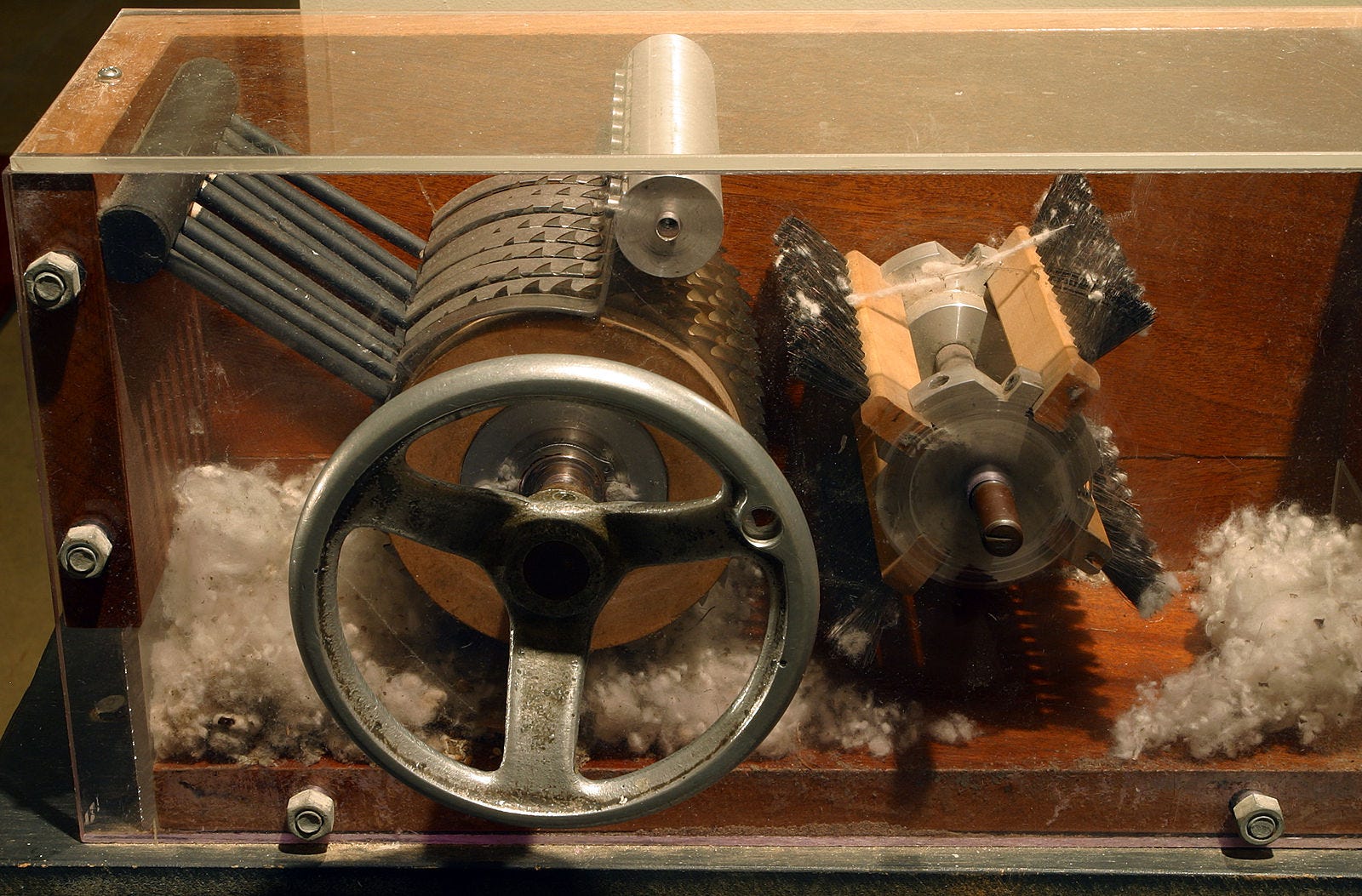
· Eli Whitney truly believed his labor reducing cotton “gin” would speed up the end of human slavery. But cotton production and labor demand exploded and slavery may have been extended by decades.
· Recall how two Bell Lab physicists made one of history’s most important cosmic discoveries – evidence of the Big Bang’s “background radiation.” But they were really just cleaning bird poop off their radar! Only later, as an afterthought, a consequence, did they realize that the feedback “buzz” was actually the Big Bang’s remnant radiation, its afterglow!
All these moves were made by economy, science, and governance innovations. With “good” intentions. But as we can see, ideas and innovations are launched into an unknown and unpredictable future. Taleb warns that “we need knowledge from the future itself to predict the future.” When we cook up ideas, they then carry us along for the ride. Human knowledge-value and its consequences are always ahead of the game, ahead of our ability to know or fully govern their impacts and costs. We’re always catching up.
Why is Knowledge Value Wild? – Knowledge Hides
Every “thing” in Shapiro’s observations, above, shows up as physical evolution – wolves and terriers, cabbage and kale – or in modern experience, cotton gins, famines, Big Bang noise.
But here’s the “thing.” We’re easily tricked by the tangible, touchable, seeable, physical world – the hardware. But it’s always human learning and knowledge – the software – that’s constantly exposed and learning to adjust and direct the physical world’s risks and opportunities. It’s the hyper-physical, the hyper-natural human mind, living miraculously in brain synapses, DNA, on paper, and now digitally, that sneaks along, gathers more of itself, and radically changes the evolution game…and the rules!
All our cousins in the deep past had the same brain capacities and the same natural resources that we do. But they were starting further down the knowledge pecking order. They had to work their way “up” and “out,” they had to learn and accumulate all the knowledge value we take for granted today.
Just watch the “naked and afraid” shows to see how ridiculous and vulnerable modern humans are when we’re thrown into the “wild,” with no tech and no grocery stores…the no clothes thing is just to get our attention!
But here’s the catch. Knowledge-that-works-value, innovation, hides in the physical world that it changes and manipulates. We see and use the results, the products, but the knowledge, the ideas hide underneath and within the smartphone or rocket or grocery supply chain. Data >> information >> knowledge hide in the physical, just like the human body’s biological “information” hides in DNA and nerve synapses.
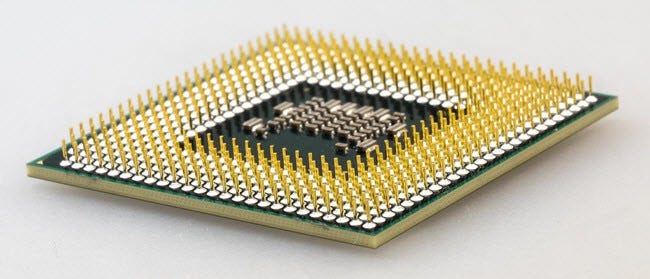
Consider the microchip or “CPU,” central processing unit, that runs our smartphones, laptops, our cars. Pound for pound it’s probably the most valuable “thing” out there today.
But as George Gilder observes, quoting the tech guru, Gordon Moore:
“ “The silicon, oxygen and aluminum used in microchips are the three most abundant elements in the earth’s crust.” ” They are dirt cheap because they are dirt. Virtually all the value of the semiconductor and optical industries comes from the knowledge they embody, the learning accumulated over time.”
The hardware chip is not the real “stuff.” The “stuff” to make the CPU, or the biochemical compounds that make your DNA, that’s not “it.” Even the electronic signal moving through the CPU, or the DNA’s neural transmissions, are not “it.” “It” is not physical, material. “It” is intangible, not just hard but impossible to touch. “It” is the data >> information >> knowledge chain. “It” is what theologians and philosophers have called for thousands of years the “Logos.” “It,” knowledge, is the essence of the Garden. It’s subtle mystery hides in the Garden – it is revealed by the Serpent, or Gödel’s theorems.
It is the human imagination’s play in knowledge-value-creation. It's Seth Lloyd’s account, above, of “information processing revolutions” through the history of creation. Albert Einstein thought “it” was a miracle.
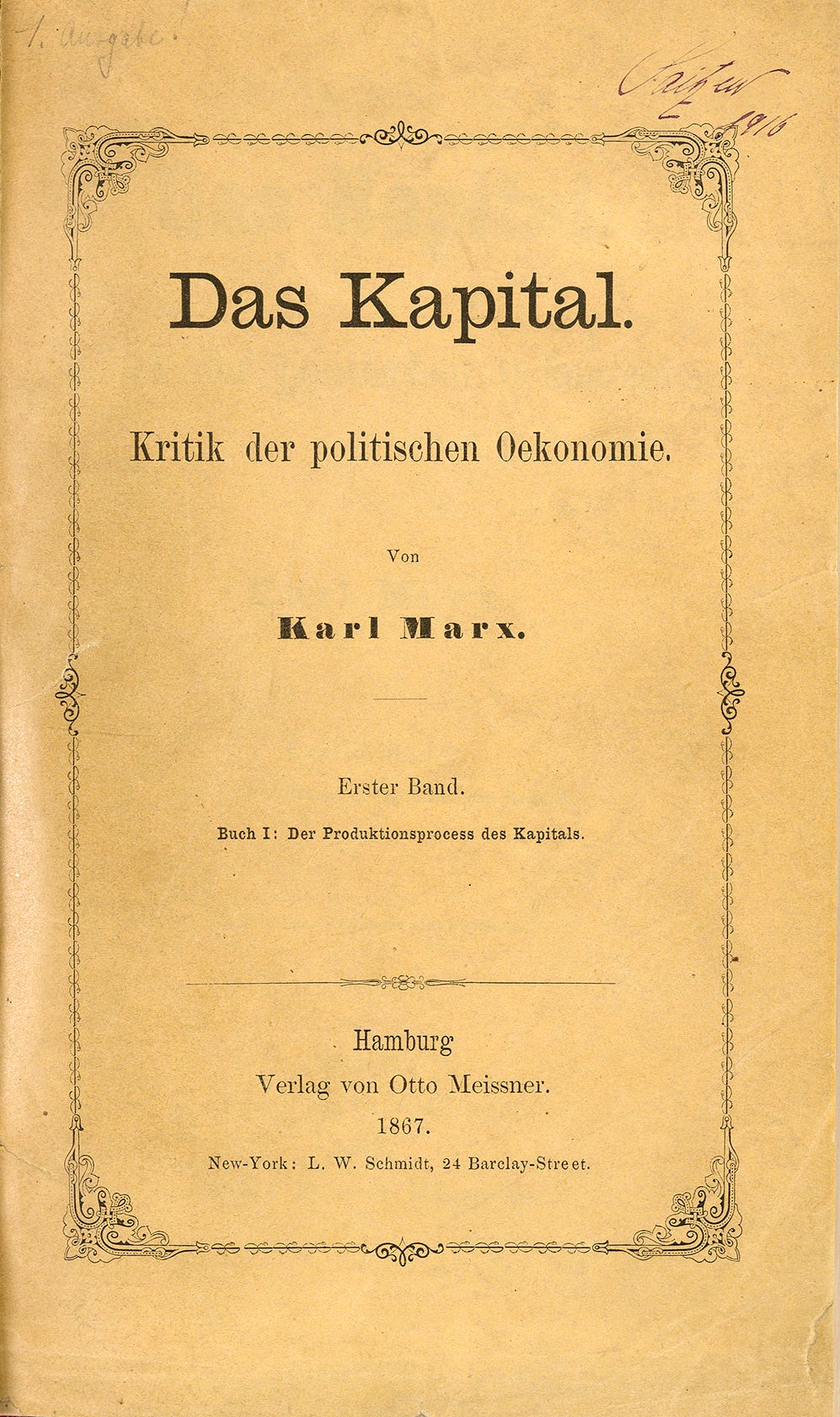
Yet, curiously, lots of smart people have been fooled, bedazzled, by the “things” that knowledge value creates. Early modern economists like Adam Smith, who favored the “market,” and Karl Marx, who favored “labor and governance,” both focused more on the labor and capital that went into material production. They overlooked Joseph Schumpeter’s later notice of the “perennial gale” of new ideas and innovations that incessantly drive and disrupt and re-set human cultures. Smith and Marx were hard-pressed to explain the overwhelming creative power of the new, industrial economy. Smith reached for the market’s mysterious “invisible hand,” and Marx admits in his seminal text, Kapital:
“…the whole mystery of the form of values lies hidden even in the most ‘elementary form’, and its analysis is our fundamental difficulty.”
Knowledge – the force that creates these amazing, transformative yet disruptive innovations – knowledge itself can’t be completely pinned down in its material or physical techs and gadgets and products. Smith and Marx both tried to explain economy in touchable terms, Marx even as a “hard” science. But it turns out that “invisible hands” or “elementary forms” could not account for the Enlightenment’s and the Industrial Revolution’s black magic.
Consequently, human knowledge value, how we measure it, how we transact it in markets, simply can’t be reduced or explained in physical terms in the same way we do physics or biology. It wasn’t industry or coal or oil or steel or mass-production labor or “capital” – all good/bad, creative/destructive, incredible/horrific, externalities – they didn’t lift human populations from one billion in 1804 to two billion by 1927 or six in 2000. No, “it” was the meteoric advance – good and bad – of knowledge.
Why is Knowledge-Value Wild? – Knowledge defies measure
Science very cleverly measures the physical world – atomic clocks measure time using the “resonant frequency” of atoms,” information is measured in “bits” or binary digits – “1/0” or “yes/no”. Mark Mills observes how:
“Sensors now measure down to ‘the bottom’ of nature…instruments can even listen to the motion of individual bacteria…”
So you’d think the “value” of human productivity that drives modern civilization could be measured?
Economists tried tracking “total factor productivity” by measuring:
Capital-Money, how much of it was invested in the economy over time;
Labor, or how many people were working in how many jobs; and
Innovation, how much did new techs change or improve production.
Capital and labor were hard-data, quantifiable. Innovation? Not so easy. Innovations are ideas, new ways of doing and making things, so innovations only show up as after-effects and improved efficiencies. Those sly and slinking externalities.
But here’s the trick – economists thought that if capital and labor could be measured quantitatively, then tech innovation would simply be the “residual,” the extra, everything added to capital and labor.

Consider the progression of human artificial lighting tech. In 1750 B.C., olive oil lamps produced about seventeen lumen-hours per “BTU,” or “British Thermal Unit.” By the 1800s C.E., someone discovered whale oil was twice as efficient, so Sperm whales were in big trouble. Thankfully, kerosene (fossil fuel) and then electricity (fossil fuel coal) came along in the 1880s and saved the whales! Today, LEDs produce lighting in the tens of thousands of lumens per BTU. Good deal for the whales! Artificial lighting is now so cheap and plentiful that, alas, our urban nightglows now obscure the Milky Way.
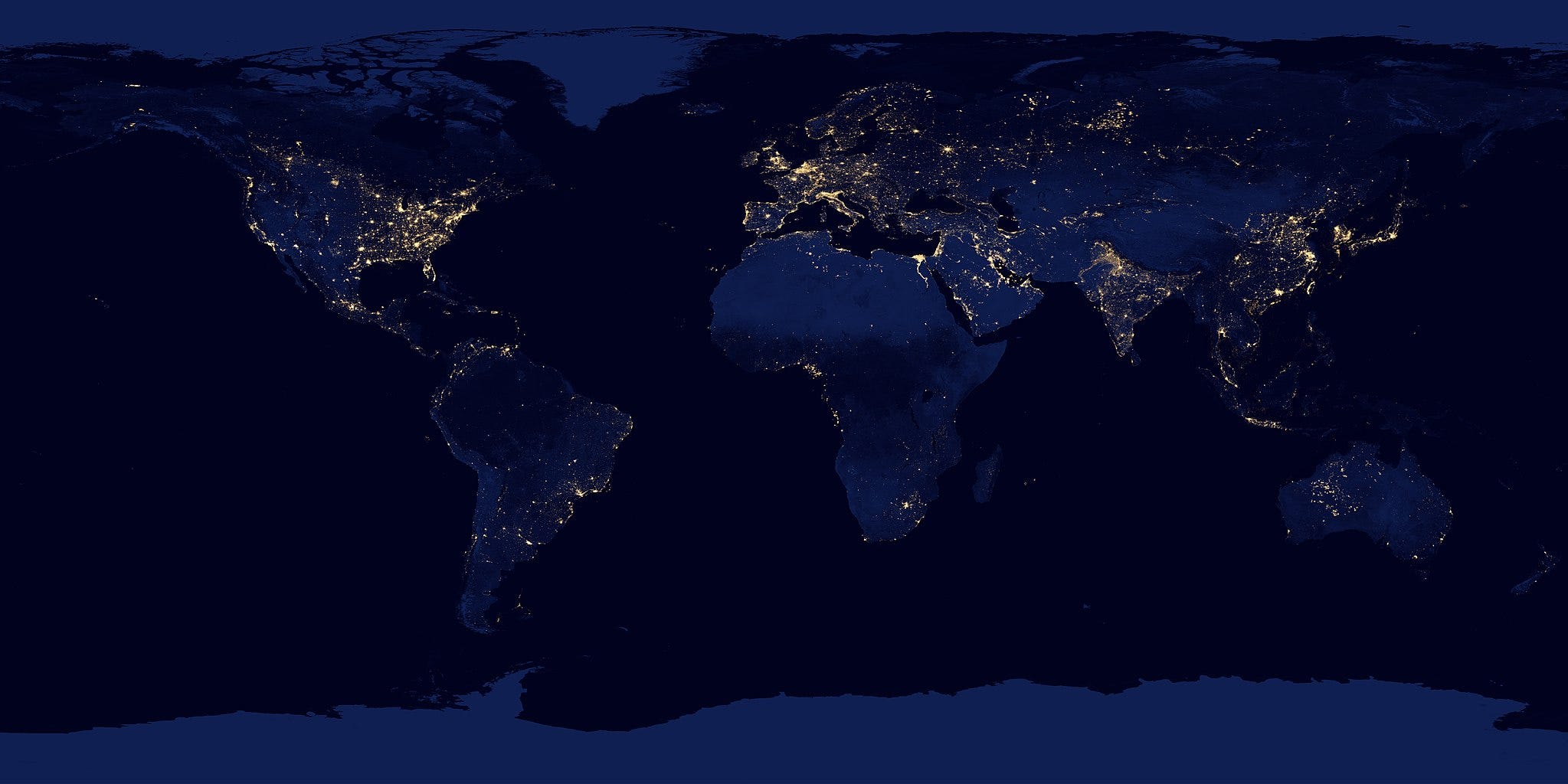
OK, so lumen hours per BTU tells us the “how much.” But not the “how.” That’s the innovation productivity question.
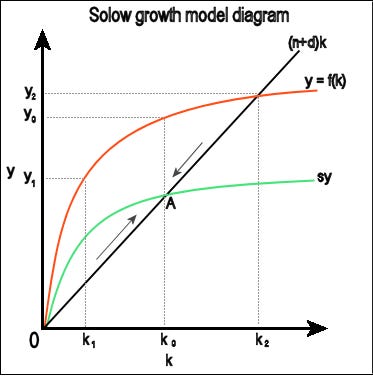
Robert Solow, a Nobel economist, decided to measure the capital and labor inputs in the U.S. economy from 1909 to 1949. The data showed that about twelve percent of productivity growth could be hard-measured by capital and labor, or “capital per worker.” So innovation had to be what was leftover, the eighty-eight percent – it’s now known as the “Solow residual,” or what we’re calling the “knowledge innovation-value residual.” But that means that nearly all economic growth from 1909-1949 couldn’t be measured directly. It was there, like the smiling whales, but what made them smile? Economists realized that the Solow residual
“…was really a measure of our ignorance…”
The answer is…it was knowledge-that-works, intelligent innovation, that advanced lighting technology! The smiling whales were delightful “ethics by accident” externalities!
And as artificial light advanced from olives to LEDs, capital and labor nearly vanished in the capital-labor-innovation equation of artificial lighting. Imagine if we were still growing olives or hunting whales to power our smartphones and EVs!
And Marx’s “mystery of the value forms…?” – Voilà! The mystery of the “value-forms” can be interpreted as…knowledge-value that works…but also that hides (Marx’s “mysteriously”) in the physical world! It’s Eve’s, and Gödel’s, serpent in the grass…
But, then, wait a second! If LEDs or Model T’s didn’t exist when people read by olive oil or walked everywhere, can we really pull a measuring stick from that world to measure or guess the “value” of an LED or Model T? “That” world had no “metric,” no way even to imagine, let alone measure, the LED’s, or the Model T’s, or the smartphone’s value. Those gadgets were “out there,” as Taleb says, “in the future…unknown…folks back then couldn’t know what they would know and discover…”
Human knowledge innovation is not just hard to measure. When the new gadget, like the smartphone, takes over, it overwhelms the existing measure or “metric” of “things” – cars for horses, digital for paper, atomic bombs for bows and arrows. The old way’s metric or standard disappears – so when Model T’s showed up in New York city, the 50,000 horses that provided transportation – and lots of stinking horse manure – were put to pasture. Urbanites were no longer breathing the dangerous, disease -ridden “manure dust,” or wading through the rainy season’s “manure mud.” But a new problem-externality appeared – internal combustion engine exhaust!
So try this. With an imaginary, pre-historic cousin, go out and walk, say, 500 miles – at three miles per hour, it would take the two of you walking 166 straight hours, or 7 days, no rest, day and night! Then invite your friend on an airplane ride at 30,000 feet while you both sit there and sip a martini – and fly that same 500 miles in an hour! What would your friend say? What could they say? How would their brain measure distance?
Knowledge-value, how we think and measure it, changes, and so measure itself metamorphoses, transforms.
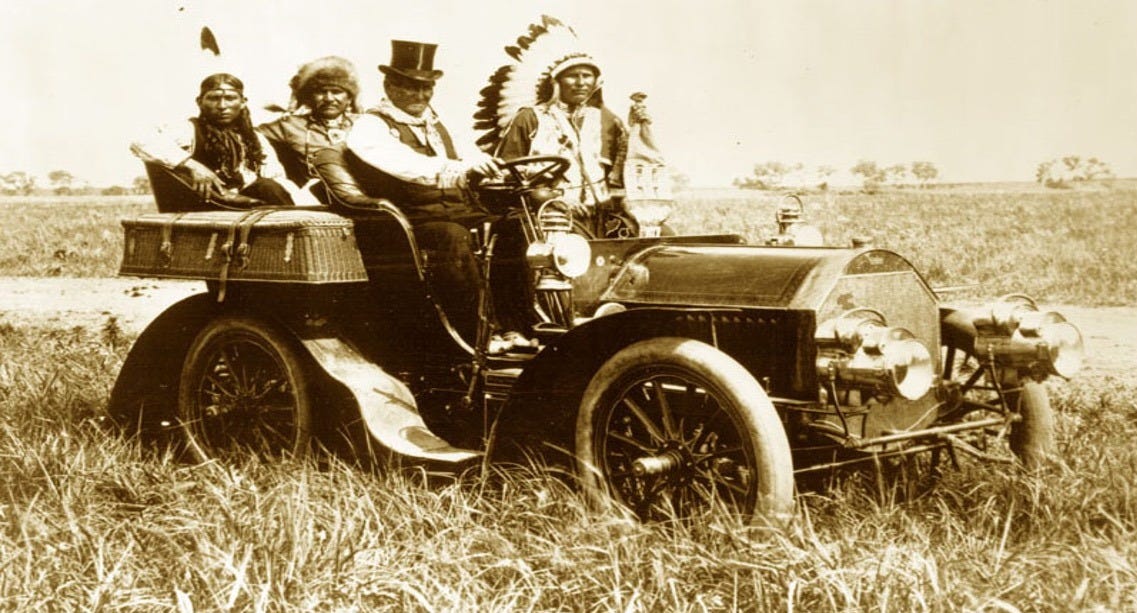
Or imagine what the great American Apache warrior, Geronimo, was thinking, or feeling, when, having been born into a horse-world in 1829, he had his photo taken in a top hat driving a “Locomobile Model C” with his warrior buddies in 1905 – and, by the way, where are the Great Plains’ sixty million bison in the photo? Where is modernity’s soul?
Why is Knowledge-Value Wild? Time & Freedom in the Garden of Eden
But if capital and labor fade to the background as the whale dives back into the depths, then something else, something marvelous, astonishing, emerges in place of our happy, submariner friend! Simply said, it’s the creation of “time,” and more miraculously, human freedom.
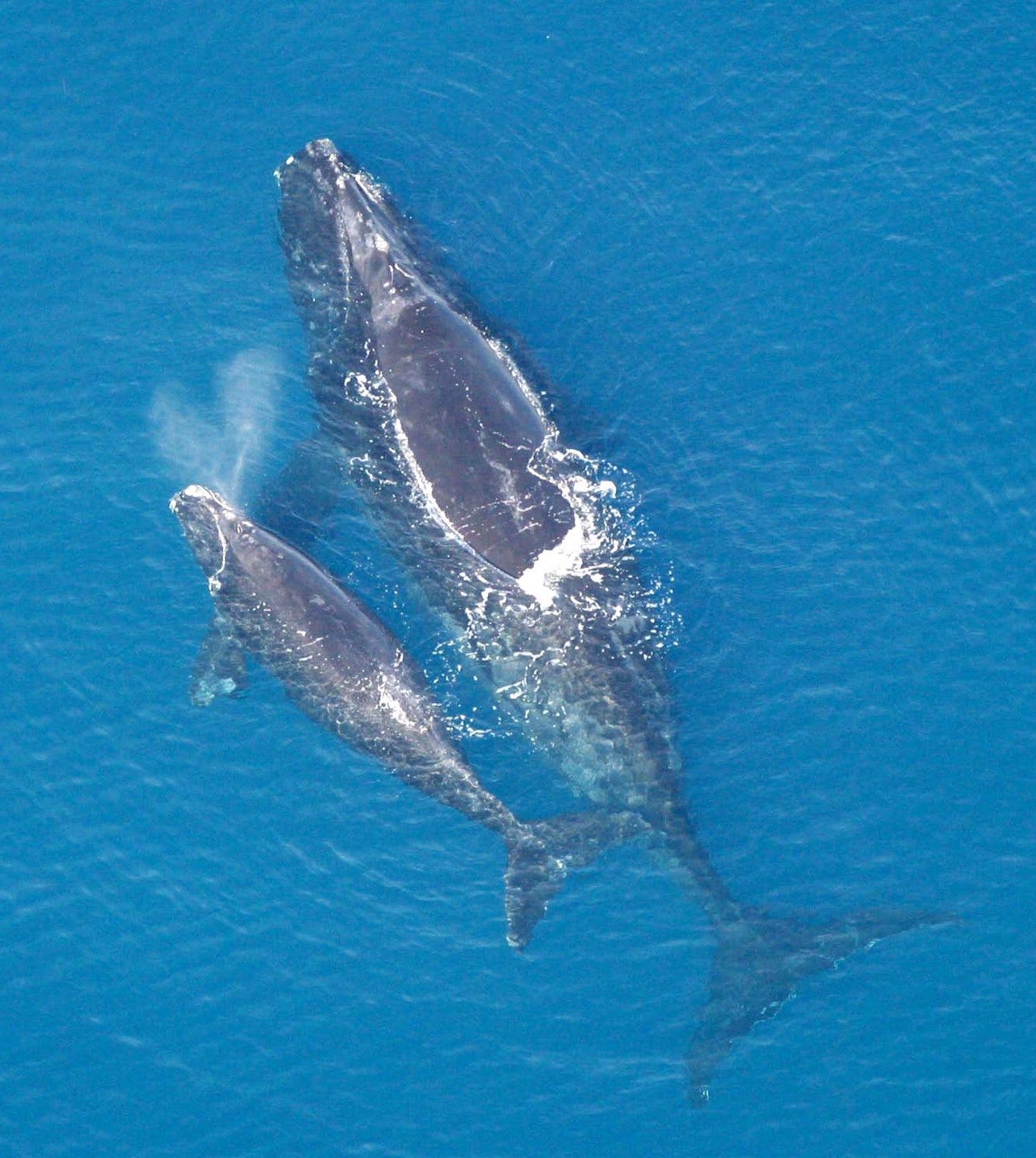
Humans have turned Eden’s punishment into a hyper-natural advantage!
It turns out that knowledge-value innovation can be measured, although still obliquely, by how much human work “time” it takes to pay for “things,” like the lighting, above.
Two practical, down-to-earth economists, Marian Tupy and Gale Pooley, demystified Solow’s residual with a new measure, the “time prices of a basket of commodity products.” They asked, “How much time does the average earthly human need to pay for something – say, energy and food?” So they measured real stuff and compared that to how long people worked to pay for them. They tracked 1980-2020 prices for a basket of 50 products using data from the World Bank, the International Monetary Fund, and the Conference Board.
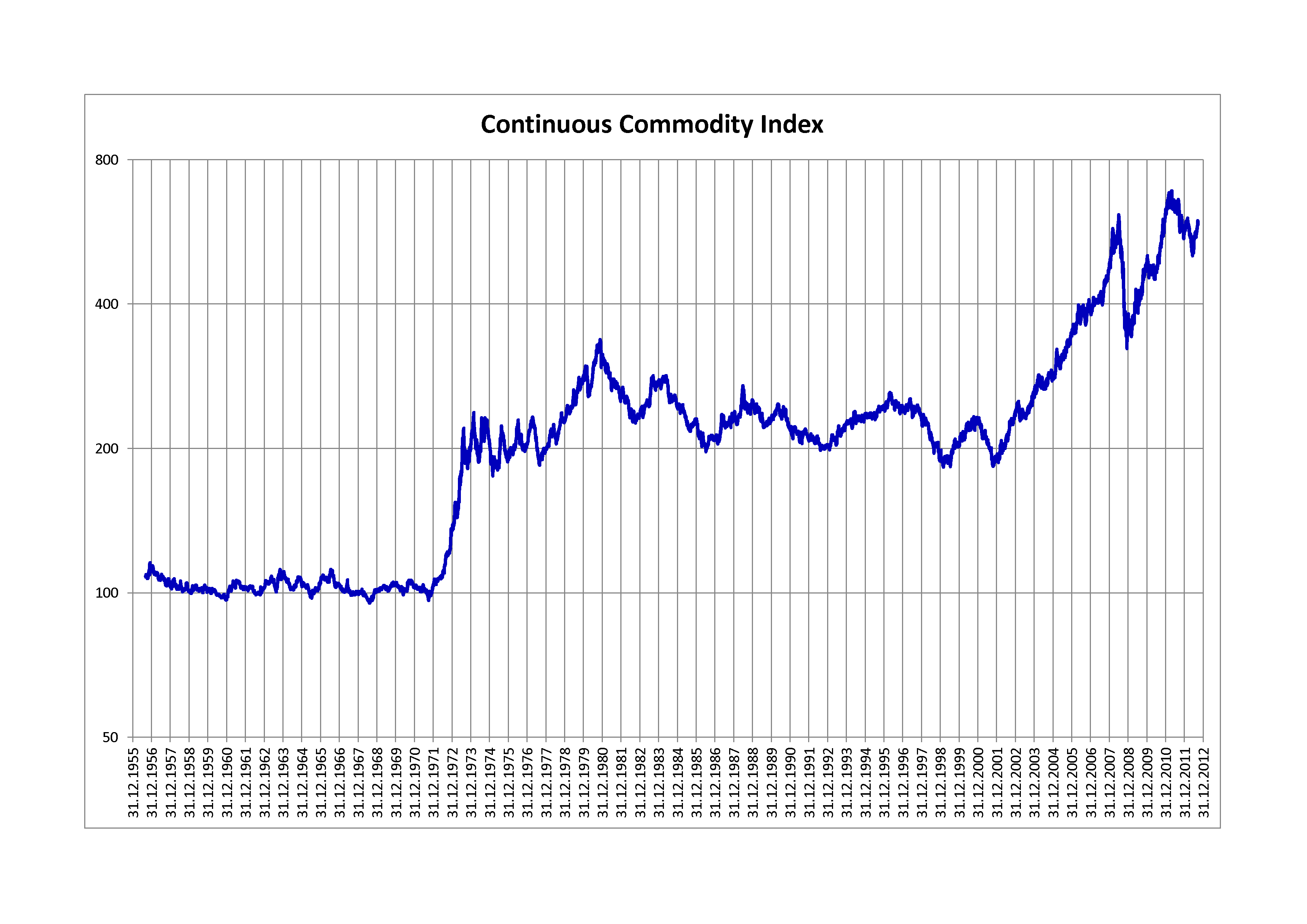
The data showed that the same worktime to pay for the 50 commodities at 1980 prices (adjusted for inflation) bought over four times as much in 2020 – a 300 percent increase in what Tupy and Pooley called “personal resource abundance.” Flip the equation and, voilà(!), humans had 75 percent more time to do…something else! To produce more stuff, to learn, play, create, or, let’s think (?) – to pro-create! Yes! In that same 1980-2020 time-span, global population increased from 4.4 billion to nearly 8 billion, a 75 percent increase in just 40 years. Tupy & Pooley, Superabundance
And not just more people, but more people with more time, more…freedom! That’s really the story of the human trek from the deep savannah. “It” is Shapiro’s wild cabbage to cauliflower or olive oil to LEDs or sandals to Model T’s, as we began to direct the natural world, at first gradually but in our modern, scientific-industrial version, exponentially – smartphones, Cloud A.I., rockets to Mars, in just 250 years or 10 generations!
On the surface we may think our fancy EVs and jet planes, all our gadgets, make us more “advanced,” “civilized.” But then the whale leaps back above the waves! In fact, people, our things and way of life, as well as the natural world, may be more exposed, at greater risk, and so wilder than ever in civilization’s brief 10,000 jaunt out of the Garden or savannah.
Think 20th century chaos, world wars, flu epidemics, famine, and now our 21st century, trying to feed eight billion on our way to ten, bitter and primitive regional wars, the possibility, or likelihood that a lab-virus killed millions, and now massive waves of migrants on the move to Earth’s cities where environmental stress is most concentrated and intense.
Tupy and Pooley summarize the plight of our wildly globalized, 21st century human condition. They’re noticing how, as we noted in Wild Demographics, global culture is just a whale’s eyeblink removed, maybe 500 generations, from our Garden cousins, how our clever knowledge creations and “progress” leave us constantly caught off guard:
“…Our ancestors’ hunter-gatherer psychology prepared us to cope with a world of personal cooperation and exchange in small communities. It did not prepare us to cope with a world of impersonal cooperation and exchange among millions of people (a typical advanced economy) or billions of people (the global economy)…the complexity of the modern economy outran the ability of our stone-age minds to understand it. Yet it is that transition from personal simplicity to impersonal complexity that makes capitalism [WG: think “knowledge-value innovation”] so effective at producing great wealth. To complicate matters further, the extended marketplace of millions or billions of people enables enterprising individuals with value-creating ideas [WG: e.g., Ford, Gates, Jobs, Musk] to amass greater wealth than they would be able to amass in small communities. That wealth inequality rubs against our egalitarian predispositions and zero-sum thinking. Finally, our tribalism helps explain why we continue to resent other nations and suspect them of thriving at our expense even when we consent to trade with them.”
Superabundance, Marian Tupy & Gale Pooley
Tupy and Pooley’s “exchange” is the marketplace of both “intellectual” and “material” stuff we invent (or steal), that we make and buy and sell with each other. Notice how they cleverly mix in the impact of “scale” – what happens when our communities morph from close-knit tribes, to cities of millions or nations of billions. And they’re noticing how the asymmetric growth of knowledge-value creates the uneven distribution of knowledge-wealth – and power.
Why is Knowledge Value Wild? – Virtue and Virtuality
All this cooks down to the most stunning, and really the wildest fact, about virtuous knowledge value over its wild globalization path – “virtuous” opens our senses to how the human mind/soul is itself “virtual.”
The human imagination is the secret of what makes us hyper-natural – able to invent, experiment, innovate, to change the very rules of the Garden’s game. We visualize, imagine, then signify, express…we virtualize…data and information and knowledge into multifarious languages and symbolic systems – Shakespeare’s plays, Beethoven’s or Mozart’s music, Chagall’s or Monet’s art, Gödel’s mathematics, Heisenberg’s or Einstein’s or Hawking’s physics, Marie Curie’s or Crick’s and Watson’s chemistry, and now Alan Turing’s or Claude Shannon’s digitized, algorithmic “A.I.”

But recall that Beethoven was nearly deaf when he wrote the 9th Symphony’s “Ode to Joy” two hundred years ago– he “felt” the timpani’s rumble, and “listened” to its symphonic magic in his imagination! Yet as we’ve noticed, trying to grasp the virtual is like trying to hear the music in Beethoven’s imagination.
Consequently, “A.I.” is really just the latest version of this human “virtual reality.” That’s because humans have always lived and breathed…for hundreds of thousands of years – in the virtual imagination. Recall from our Wild Demographics talk the magnificent 50,000 year old cave art that spelunkers are finding all over the globe?
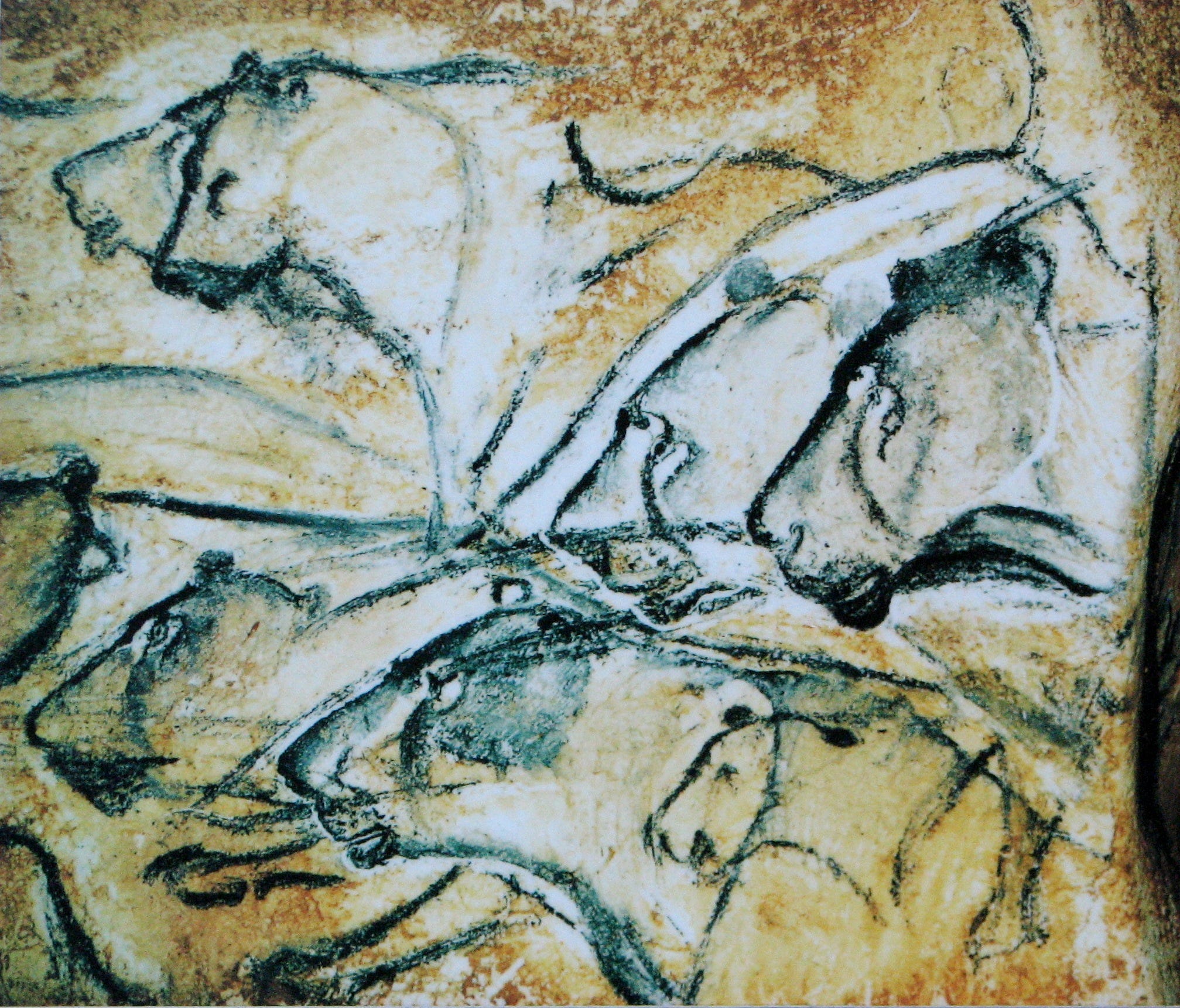
The imagination is our edge, it’s our competitive advantage in the Garden’s or evolution’s game. It’s the fruit we carried out of the savannah, or Eden.
We’re doing it now, we’re visualizing, virtualizing, we’re imagining, wild globalization.
We re-create the “real” world, the world “out there,” into the human “E=MC2,” “energy equals mass times the speed of light squared,” world! We virtualize “the” world into a human “virtual” world, a new “real,” a hyper-natural world.
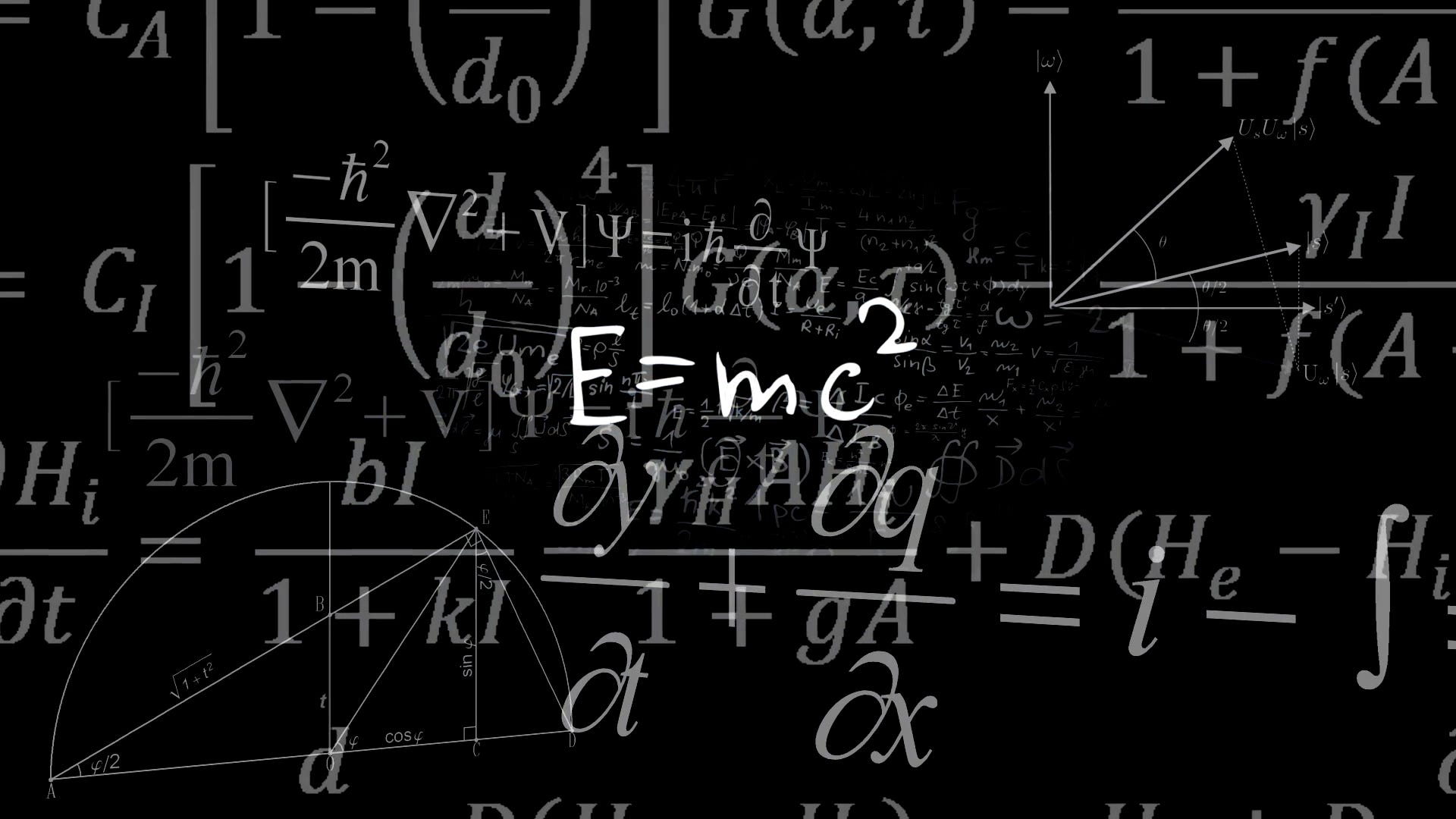
Our virtuous knowledge world is then vigorously tested, questioned – Einstein’s General Theory of Relativity continuously butts heads with Max Plank’s Quantum Theory, and the beat goes on! Science advances because, at its best, it’s one of the freest examples of theologian Bernard Lonergan’s “pure desire to know.”[i] And the deeper our knowledge, the wilder it gets!
Virtuous, virtual knowledge imagines, signifies, communicates, manipulates, creates, destroys, and transforms the “world” – Hubble’s eye on the Universe, the human genome, the Manhattan team, A.I., the Taj Mahal, Mona Lisa or Beethoven’s 9th. Or, as we’ll see next chapter, credit default swaps, collateralized mortgage obligations, flash-crashes, “great” financial crises, booms and busts!
That’s it, that’s why and how we are different and dominating and dangerous. We re-create creation. And value.
The human “imagination” is the wildest, boldest, the most brazenly powerful, the most hyper-natural of our human abilities.
But here’s the wildest catch.
As we conjure up and then build this incredible knowledge-bound world, we have to step back and notice how and where knowledge lives and works on us, how in fact, knowledge takes on a life and a force of its own that often, even routinely, reaches beyond our control. “A.I” is merely the latest, if perhaps the most awesome – because it’s knowledge! – example of wild knowledge that lives, that breathes algorithms, and so manipulates our lives, and transacts our economies, beyond our full or rational control. “Knowledge-value” and power take us along for the ride!
In our next talk we’ll turn to where virtual knowledge value lives and transacts – to markets-money-capital-finance. Applied economic knowledge-value lives in so-called “hard” markets, where the hundred’s, thousands, millions, and now billions of us buy-sell-transact, where deal-by-deal economic “value” is adjudicated, “hand-shaked,” yet only fleetingly, for the moment, until the next…deal! It’s where knowledge-value takes on a life of its own – to derivatives, to derivatives of derivatives, to logarithmic speculation, to trillion-dollar global companies larger and more powerful than most countries, or it’s where the serpent slyly slithers out of the knowledge-power shadows to expose massive and profligate government debt.
Our question, “What the heck is going on?”, now turns to markets-money-capital-finance.
You’ll need more popcorn!
[i] Bernard Lonergan, Insight: A Study in Human Understanding, Ed. Frederick E. Crowe and Robert M. Doran, University of Toronto Press, Toronto, Fifth Edition, 1992, Kindle Edition, 7633- 7662.